Guide to Lifesaving Certification Pathways
A child who can swim a few laps is not automatically prepared to manage an unexpected fall, assist another person safely, or meet a formal assessment standard. This guide to lifesaving certification pathways helps parents, students, and adult swimmers understand what comes after basic swimming lessons: structured skills that turn water confidence into real safety capability.
The right pathway depends on the swimmer’s age, current ability, purpose, and willingness to train consistently. A young learner may need water-survival foundations first. A teenager may be preparing for a school-based assessment. An adult may be working toward a lifesaving role, coaching requirement, or stronger rescue awareness. Each goal calls for a different starting point, but every credible pathway should build skills in a logical order.
Lifesaving Certification Starts With Strong Swimming
Lifesaving training is often misunderstood as a quick rescue course. In reality, safe rescue skills rest on sound swimming technique, calm decision-making, and the ability to control one’s own body in the water. A swimmer who panics when tired or struggles to maintain position cannot safely support another person.
Before moving into formal lifesaving instruction, swimmers should be comfortable entering deep water, swimming with efficient technique, floating or treading water, changing direction, and recovering after submersion. They should also understand how to breathe under pressure and follow pool safety rules without repeated reminders. These are not minor details. They are the foundation that makes rescue practice safer and more meaningful.
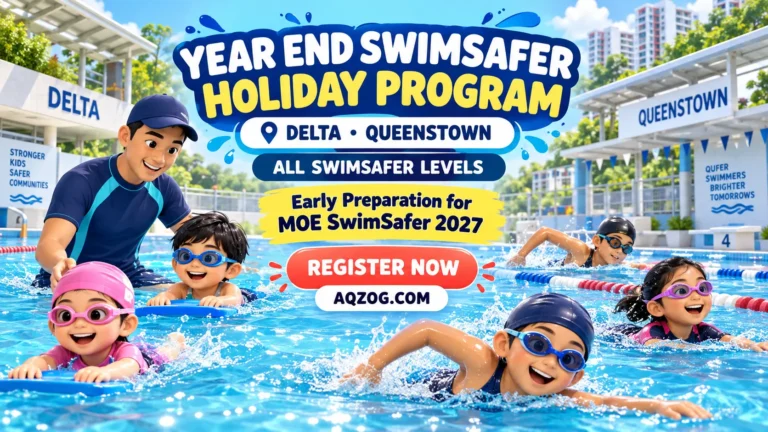
For children, a structured water-safety program such as SwimSafer can provide this foundation. It develops practical survival skills alongside swimming ability, including safe entries, personal flotation, underwater confidence, and appropriate responses in different water environments. Progress is measurable, which gives parents a clear view of whether a child is ready to advance.
Understand the Difference Between Water Safety and Lifesaving Qualifications
Water-safety certification and lifesaving certification are connected, but they are not the same. Water-safety programs teach swimmers how to reduce personal risk and respond sensibly around pools, open water, and boating environments. They are especially valuable for children because good judgment can prevent many emergencies before a rescue is needed.
A formal lifesaving qualification is generally more demanding. It may assess rescue methods, casualty management, communication, first aid knowledge, stamina, and the ability to make safe decisions under supervision. Requirements vary by course provider and intended role. Some programs are designed for youth progression, while others prepare candidates for pool supervision, aquatic employment, or volunteer lifesaving responsibilities.
The school-age pathway
For school-age swimmers, the most effective route is usually progressive rather than rushed. Begin with regular lessons that establish stroke technique and water confidence. Move through formal water-safety stages when the child can demonstrate the required skills consistently, not only on a particularly good day. Practical assessments and theory preparation can then strengthen test readiness.
This approach gives children time to develop maturity alongside physical ability. Rescue skills involve judgment: knowing when to call for help, when not to enter the water, and how to use available equipment. A child does not need to be an adult-sized swimmer to learn these principles, but they do need instruction that matches their developmental stage.
The teen pathway
Teenagers who have completed core swimming and survival stages can begin working toward more demanding lifesaving goals. At this point, fitness becomes more relevant. Candidates may need to swim set distances, maintain continuous effort, perform timed tasks, and demonstrate controlled rescue sequences.
Teens should also expect a stronger emphasis on responsibility. Correct technique matters, but so does situational awareness. A qualified lifesaver must assess hazards, communicate clearly, protect their own safety, and select the least risky response. Training should build these habits through repeated practice, not memorized routines alone.
The adult pathway
Adults enter lifesaving training from many starting points. Some are capable swimmers seeking a professional aquatic qualification. Others may be parents who want practical water-rescue awareness without pursuing an employment credential. Adults returning to swimming after a long break may first need targeted coaching to improve endurance, breathing, and confidence in deep water.
There is no benefit in skipping this preparation. Private or small-group coaching can be particularly useful for adults who need to correct stroke mechanics, overcome water fear, or train around a busy schedule. The best route is the one that prepares the candidate to meet course demands safely, rather than simply enrolling in the nearest available class.
How to Choose a Lifesaving Certification Pathway
Start with an honest skills assessment. Ask whether the swimmer can complete sustained swimming without exhaustion, tread water with control, submerge comfortably, and remain calm when a task changes unexpectedly. If the answer is no, more swimming development should come first.
Next, define the outcome. Is the goal a recognized school progression, personal family safety, entry into an aquatic role, or preparation for a specific course? This decision affects the training format. A child preparing for a stage assessment may benefit from weekly lessons and mock practical tests. An adult with a fixed certification date may need an intensive training plan focused on fitness and technical gaps.
When comparing programs, look beyond the certificate name. A quality provider should explain entry expectations, practical assessments, theory components, safety procedures, and the level of support available before the test. It should also be clear about what the certification allows the holder to do and what further training may be required.
A practical enrollment checklist includes these four questions:
- Does the swimmer meet the required swimming and age prerequisites?
- Is the course designed for personal safety, youth progression, or professional responsibility?
- Will training include realistic practice, theory knowledge, and assessment preparation?
- Is there enough time to improve weak areas before the certification test?
Why Assessment Preparation Matters
Even capable swimmers can underperform when they are unfamiliar with assessment conditions. Timed tasks, observation by assessors, sequence requirements, and theory questions can create pressure. Good preparation makes the test format familiar so the swimmer can focus on safe execution rather than uncertainty.
Mock practical tests are especially useful when they are used properly. Their purpose is not to promise a pass. Their purpose is to identify where a swimmer loses time, misses a safety step, or becomes unsettled. Coaches can then create a focused plan, whether that means improving a survival float, refining a rescue approach, building endurance, or revising theory concepts.
For parents, assessment preparation also provides transparency. You can see whether your child is progressing through demonstrated skills rather than being moved ahead because of age or attendance. AQZOG’s structured progression approach reflects this principle: confidence should be supported by clear, observable capability.
Build Skills That Last Beyond the Certificate
A certificate is a milestone, not the end point. Water conditions change, fitness changes, and rescue procedures must be practiced to remain effective. Swimmers who continue regular training retain confidence, maintain endurance, and sharpen the decision-making that matters most in an emergency.
Choose a pathway that makes the swimmer safer at every stage, not only more qualified on paper. When training develops calmness, strong fundamentals, rescue awareness, and respect for water, certification becomes evidence of a capability that can protect the swimmer and the people around them.