What Age Should Children Start SwimSafer?
Parents often ask, “What age should my child start SwimSafer?” The practical answer is that most children can begin a structured SwimSafer pathway from around age 4, provided they are comfortable participating in a lesson, can follow simple instructions, and are ready for regular pool sessions. However, the best starting point is not determined by age alone. Water confidence, emotional readiness, prior exposure, and the quality of instruction all affect how successfully a child progresses.
For families in Singapore, SwimSafer is more than a swimming badge. It is a structured water-safety program that develops survival skills, swimming ability, safe decision-making, and confidence in and around water. Starting at the right time gives children the space to build those foundations properly rather than rushing toward an assessment before they are ready.
What age should children start SwimSafer?
A child may generally start working toward SwimSafer skills at about 4 years old. At this age, many children have developed the attention span, coordination, and communication skills needed for group instruction. They can begin learning how to enter and exit the water safely, float independently, kick with control, submerge when appropriate, and respond to a coach’s directions.
That said, age 4 is a starting guideline, not a finish line or a guarantee of assessment readiness. One 4-year-old may happily put their face in the water and attempt a back float after a few lessons. Another may need more time to feel secure away from the pool wall. Both are normal. A good program adjusts the learning pace while keeping the child moving toward clear, measurable outcomes.
Children who begin at ages 5 to 7 often have an advantage in focus and body awareness, especially if they are new to swimming. They may understand safety rules more quickly and retain technical instructions well. Older beginners can also start SwimSafer successfully. The right stage should always be based on demonstrated skills, not on a child’s school grade or what classmates have achieved.
Start water confidence before formal SwimSafer training
Children do not need to wait until age 4 to become familiar with water. Toddler water-introduction lessons can begin earlier, with activities designed around comfort, safe handling, gentle movement, and positive parent-child experiences. The purpose at this stage is not formal certification. It is to help a young child see the pool as a supervised environment where they can listen, move, play, and gradually trust the water.
Early exposure can make the transition into structured classes easier, but it should never involve forcing a child to submerge or perform skills before they are emotionally ready. Confidence built slowly tends to last. Confidence created through pressure can lead to fear, avoidance, and slower progress later.
For toddlers and preschoolers, the strongest early outcomes are simple: they are willing to enter the water with support, they can hold the wall, they respond to safety cues, and they remain calm during basic floating and kicking activities. These are useful building blocks for future SwimSafer training.
Readiness matters more than a child’s birthday
Before enrolling a child in a SwimSafer-focused class, consider whether they can manage the basic rhythm of a lesson. They do not need to be able to swim independently. They simply need enough readiness to learn safely and consistently.
A child is usually ready for a structured beginner class when they can do the following:
- Separate from a parent or caregiver for the lesson, with reasonable reassurance from the coach
- Listen to short instructions and wait briefly for their turn
- Wear swimwear and enter the pool environment without extreme distress
- Accept guided practice such as kicking, blowing bubbles, or supported floating
- Attend lessons regularly enough to build skill memory and confidence
If your child is not yet comfortable with one or more of these areas, a water-confidence or private lesson pathway may be a better first step. This is not a delay in progress. It is often the most efficient way to prepare a child for group learning and later assessment work.
Why SwimSafer should not be rushed
It is understandable for parents to want quick results. School schedules, holiday programs, and peer comparisons can create pressure to complete stages quickly. Yet SwimSafer is designed around practical competence, particularly water survival. A child must be able to perform skills with control, not simply copy a movement once during practice.
For example, a swimmer may appear comfortable doing a front glide in a shallow lane but still panic when asked to float, regain balance, or move safely in deeper water. That child needs more guided practice before an assessment. Passing too early can create a false sense of security for both child and parent.
A structured progression gives each skill a purpose. Floating teaches a child how to rest and regain control. Kicking and arm actions build propulsion. Safe entries and exits help prevent accidents at the pool edge. Water-safety knowledge teaches children to recognize risks before they become emergencies. These outcomes matter long after a certificate is awarded.
Choosing the right starting class
The best class format depends on your child’s current relationship with water. A confident preschooler who can listen and participate in a small group may be ready for a beginner SwimSafer class. A child who is nervous, has had a frightening water experience, or needs close attention may benefit more from private coaching before joining a group.
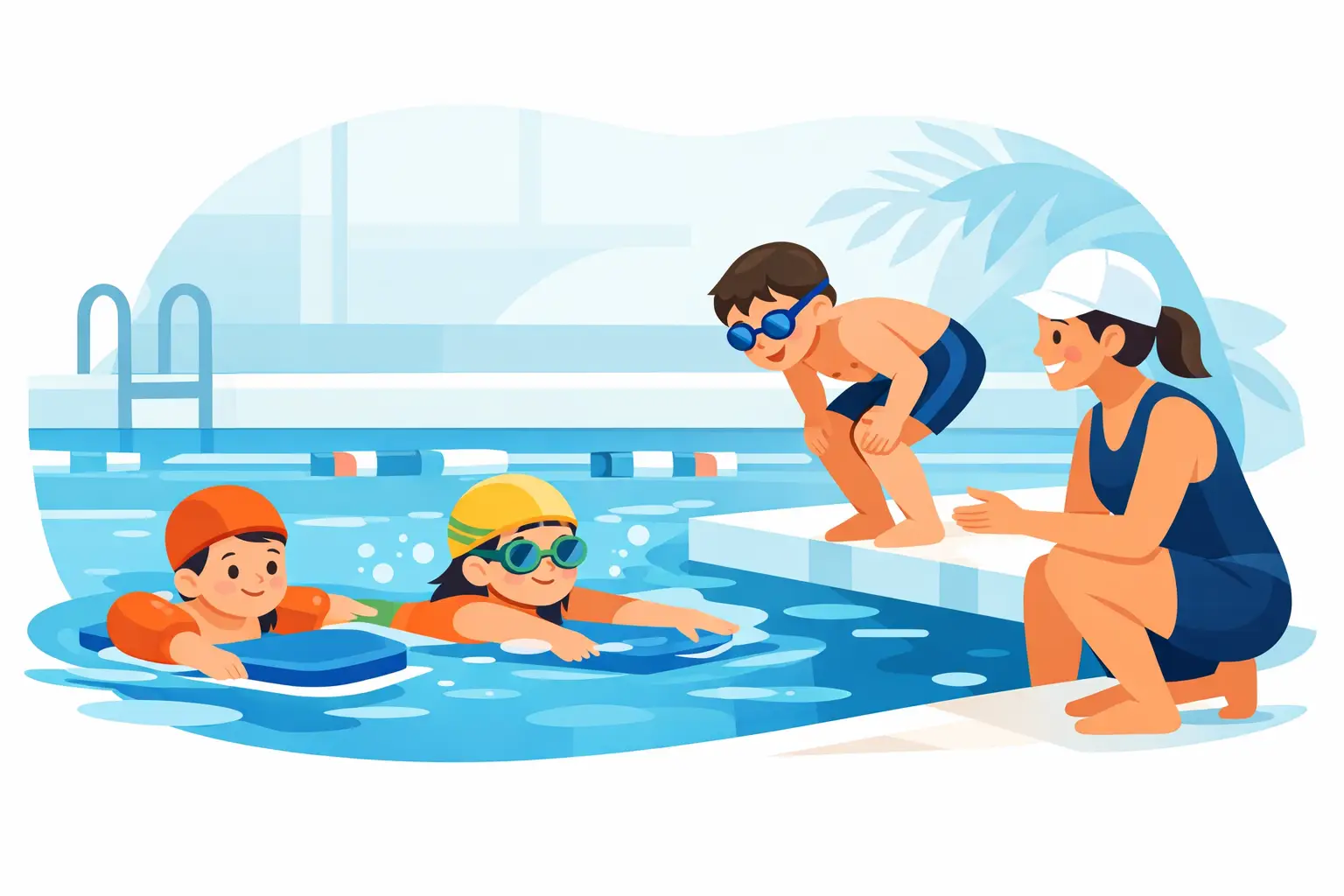
Group lessons can be highly effective because children learn routines, observe peers, and build independence. They also work best when swimmers are grouped by ability rather than simply by age. A beginner should not be placed in an advanced class just because they are older, and a younger child with strong fundamentals should still be coached according to their actual skill level and maturity.
Private lessons provide more individual attention and can be useful for overcoming water fear, correcting specific technique issues, or preparing for an upcoming practical assessment. Holiday intensives may accelerate progress when they include daily, purposeful practice, but they are most successful when the child has already established basic confidence. Fast results should still be built on safe, repeatable skills.
What progression should look like after a child starts
A well-planned SwimSafer journey begins with water orientation and basic survival skills before moving into stronger stroke development, deeper-water confidence, and more advanced safety awareness. The exact timeline varies. Some children progress steadily through a stage over several months, while others need additional practice to become consistent.
Parents should look for visible improvements that go beyond distance swimming. Is your child calmer when their face gets wet? Can they float without grabbing for the wall? Do they know how to enter and exit safely? Can they explain a basic pool rule or recognize why adult supervision matters? These are meaningful signs that swimming lessons are building real water competence.
Assessment readiness should be decided through ongoing observation, targeted practice, and mock practical test preparation where appropriate. Children should know what each task requires and have repeated opportunities to perform it under conditions similar to the assessment. This reduces anxiety and helps coaches identify gaps before test day.
How parents can support SwimSafer progress
Regular attendance is one of the most valuable things a parent can provide. Swimming is a physical skill, and children need consistent repetition to remember movements, develop endurance, and feel comfortable in changing water conditions. Long gaps between lessons can slow confidence, especially for beginners.
At home, keep conversations positive and specific. Instead of asking only, “Did you pass?” ask what your child practiced, which skill felt easier, and what they would like to improve next week. Celebrate effort such as putting their face in the water, trying a new float, or listening carefully to the coach. This keeps the focus on capability rather than pressure.
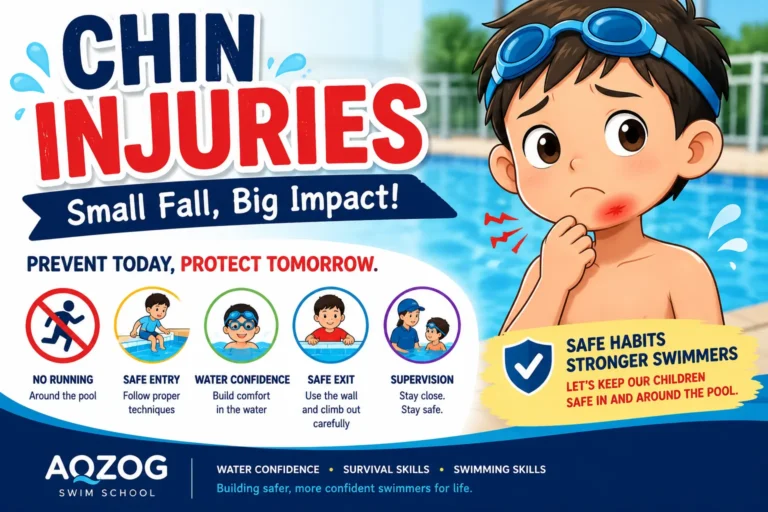
It also helps to reinforce simple safety habits outside formal lessons. Children should understand that they do not enter water without permission, run on pool decks, or rely on flotation toys as a substitute for supervision. Swimming ability grows over time, and close adult supervision remains essential at every stage.
Give your child a safe start, then let progress build
For most children, age 4 is an appropriate time to start SwimSafer-focused instruction, while earlier toddler lessons can establish a positive water foundation. The better question is not whether your child is the “right” age compared with someone else. It is whether they are ready for a safe, structured learning experience that matches their current ability.
With experienced coaching, clear progression, and patient practice, children can build the confidence to enjoy the water and the skills to respond more safely when it matters. AQZOG supports that journey with structured instruction that develops water confidence first, then turns it into measurable SwimSafer readiness and lasting swimming ability.