Toddler Swimming Lessons in Singapore
Toddler Swimming Lessons in Singapore: Building Water Confidence, Safety and Lifelong Skills from an Early Age
Toddler swimming lessons are no longer seen as a luxury or enrichment activity – they are now recognised as a critical life skill. In a country like Singapore, surrounded by water and with year-round access to swimming pools, introducing children to water early is one of the most practical and meaningful decisions parents can make.
From water safety and confidence to physical coordination and emotional development, toddler swimming lessons lay the foundation for a child’s lifelong relationship with water. More importantly, they help reduce the risk of drowning by familiarising toddlers with water in a structured, safe and positive environment.
This comprehensive guide explains why toddler swimming lessons matter, what parents should expect, how lessons are structured, and how to choose the best toddler swimming lessons for your child.
What Are Toddler Swimming Lessons?
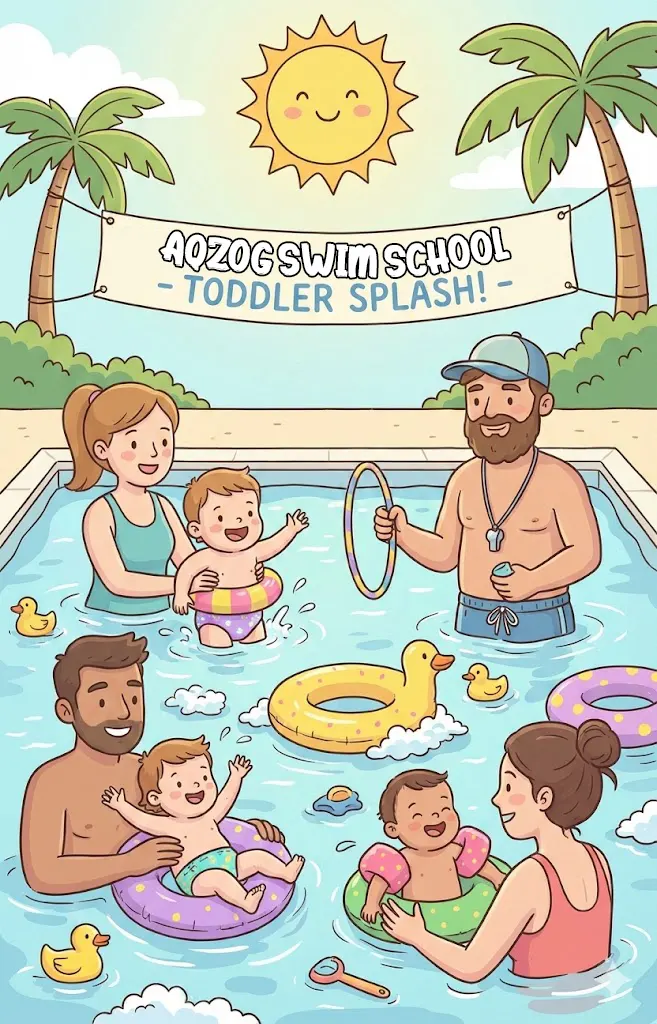
Toddler swimming lessons are specially designed aquatic programmes for children typically aged 6 months to 4 years old. These lessons focus less on formal swimming strokes and more on:
- Water confidence
- Breath control
- Safe entry and exit
- Floating and balance
- Parent-child bonding
- Basic survival awareness
Unlike older children, toddlers learn best through play, repetition, colours, songs, and routines. A well-designed toddler swim programme recognises developmental milestones and adapts teaching methods accordingly.
Why Toddler Swimming Lessons Are Important
1. Water Safety Starts Early
Drowning is one of the leading causes of accidental injury among young children worldwide. While swimming lessons do not make a toddler “drown-proof,” early exposure helps children:
- Feel calm in water
- Recognise water as a different environment
- Respond better when water splashes their face
- Reduce panic reactions
These foundational skills significantly improve safety awareness.
2. Builds Strong Water Confidence
Many children who fear water at age 5 or 6 often had little or negative exposure earlier on. Toddler swimming lessons help children:
- Feel secure being held and supported in water
- Enjoy water play
- Associate swimming pools with fun, not fear
Confident toddlers progress faster and more smoothly when formal swimming lessons begin later.
3. Enhances Physical Development
Water provides gentle resistance, making it ideal for developing:
- Gross motor skills
- Balance and coordination
- Muscle strength
- Body awareness
Movements like kicking, reaching, floating and turning help toddlers strengthen muscles without impact on joints.
4. Supports Cognitive and Emotional Growth
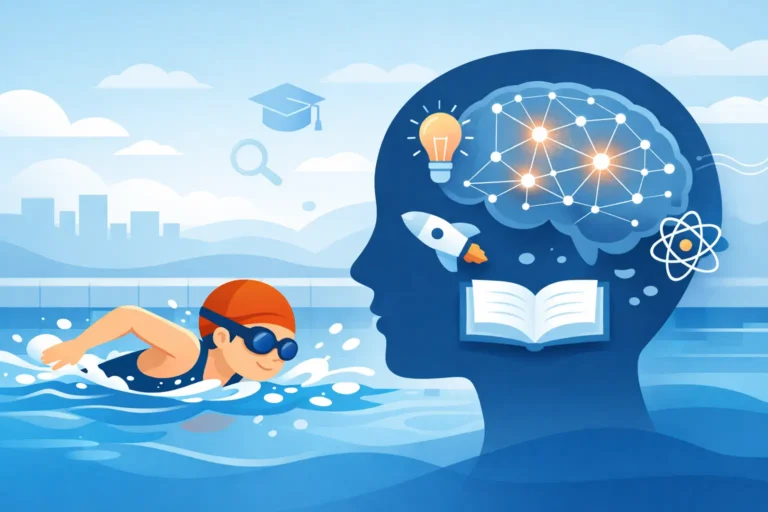
Toddler swimming lessons also contribute to brain development by:
- Improving focus and listening skills
- Encouraging problem-solving through guided play
- Boosting confidence through small achievements
- Strengthening emotional security with parents
Children learn to follow routines, respond to cues, and trust instructors.
5. Strengthens Parent-Child Bonding
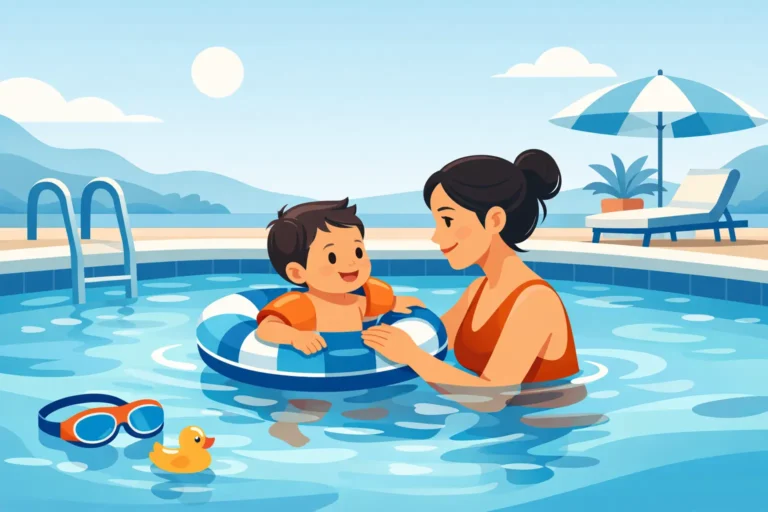
Most toddler swimming lessons involve parent participation, especially for children under 3 years old. This shared experience:
- Builds trust
- Reinforces emotional attachment
- Helps parents understand their child’s learning pace
- Creates positive memories around water
What Happens in a Toddler Swimming Lesson?
A typical toddler swimming lesson lasts 30 to 45 minutes and follows a predictable, comforting structure.
1. Warm-Up and Water Entry
- Gentle entry into the pool
- Splashing and water play
- Songs and simple movements
This helps toddlers feel relaxed and curious.
2. Water Familiarisation
Toddlers learn to:
- Splash water on their face
- Blow bubbles
- Feel water on their head
- Move arms and legs in water
All activities are done gradually and positively.
3. Floating and Balance
With support from parents and instructors, toddlers practice:
- Front and back floating
- Body alignment
- Relaxation in water
Floating builds calmness and trust in water.
4. Movement and Propulsion
Using guided play, toddlers explore:
- Kicking actions
- Reaching for toys
- Turning their body
- Moving short distances with support
5. Safe Exit and Closure
Lessons end with:
- Safe climbing out of the pool
- Cool-down activities
- Praise and encouragement
Consistency helps toddlers feel secure lesson after lesson.
At What Age Should Toddlers Start Swimming Lessons?
Most experts agree that toddler swimming lessons can begin as early as 6 months old, provided:
- The pool is well-maintained
- Water temperature is suitable
- Lessons are age-appropriate
- Instructors are trained in early childhood aquatics
However, there is no “too late” age. Whether your child is 1, 2, 3 or 4 years old, toddler swimming lessons can be introduced successfully with the right approach.
How to Choose the Best Toddler Swimming Lessons
Not all toddler swimming lessons are the same. Parents should look beyond price and location and consider teaching philosophy and safety standards.
1. Qualified and Experienced Instructors
Good toddler swim instructors should:
- Be trained in early childhood swimming
- Understand child psychology
- Be patient, calm and encouraging
- Know how to manage separation anxiety
2. Small Class Size
Small groups ensure:
- Individual attention
- Better safety supervision
- Less overstimulation for toddlers
3. Age-Appropriate Curriculum
A quality toddler swimming programme focuses on progression, not rushing milestones. There should be clear stages that build confidence step by step.
4. Safe and Clean Facilities
Check for:
- Clean changing rooms
- Proper water hygiene
- Lifeguard presence
- Child-friendly pool depth
5. Positive Learning Environment
Toddlers learn best when lessons are:
- Fun and playful
- Pressure-free
- Encouraging rather than forceful
Crying occasionally is normal, but consistent distress is a sign something needs adjusting.
Toddler Swimming Lessons in Singapore: What Parents Should Know
In Singapore, many parents choose toddler swimming lessons to prepare their children early for:
- Preschool water play
- MOE SwimSafer Programme readiness
- Long-term swimming proficiency
With year-round access to pools and strong emphasis on water safety, Singapore offers an ideal environment for toddlers to learn swimming in a structured and safe way.
Parents should prioritise programmes that align with local safety standards and understand the progression toward national swim frameworks.
Common Myths About Toddler Swimming Lessons
Myth 1: My Toddler Is Too Young to Learn
Toddlers may not learn strokes, but they learn confidence, balance and safety awareness, which are far more important at this stage.
Myth 2: Swimming Lessons Make Toddlers Drown-Proof
No swimming lesson can replace adult supervision. Toddler swimming lessons reduce risk, not eliminate it.
Myth 3: Crying Means the Lesson Is Failing
Some toddlers need time to adjust. With patient instructors and consistent attendance, most children settle in within a few sessions. Some may settle in a few lessons as ice breaking requires longer time for younger children.
How Often Should Toddlers Attend Swimming Lessons?
Consistency matters more than intensity.
- Once a week: Suitable for most toddlers
- Twice a week: Faster confidence building for some children
Regular exposure helps toddlers remember routines and feel comfortable.
How Long Does It Take for Toddlers to Progress?
Progress varies based on:
- Age
- Temperament
- Previous water exposure
- Frequency of lessons
Some toddlers adapt within weeks, while others take months. The key is steady progress without pressure.
FAQs About Toddler Swimming Lessons
1. Are toddler swimming lessons safe?
Yes, when conducted by trained instructors in a safe environment with appropriate supervision, toddler swimming lessons are very safe and beneficial.
2. Do parents need to be in the water?
For younger toddlers, parent participation is usually required. This provides emotional security and builds trust in the water.
3. What should my toddler wear?
Toddlers should wear:
Proper swim diapers
Comfortable swimwear
Optional swim caps if required
4. What if my toddler is afraid of water?
Fear is common and normal. A good programme introduces water gradually, using play and reassurance rather than force.
5. Can toddler swimming lessons help with future SwimSafer programmes?
Yes. Toddlers who start early often adapt faster and more confidently when they enter structured swimming programmes later in childhood.
6. How long are toddler swimming lessons?
Most lessons last 30 minutes, which is ideal for a toddler’s attention span.
7. Should lessons continue during rainy seasons?
Indoor pools or sheltered facilities allow lessons to continue year-round, ensuring consistency in learning.
8. What if my toddler misses a lesson?
Missing an occasional lesson is fine. However, long breaks may require a short readjustment period.
Final Thoughts: Investing Early in Toddler Swimming Lessons
Toddler swimming lessons are not about producing Olympic swimmers – they are about confidence, safety, and positive early experiences in water. Starting early helps children grow up respecting water rather than fearing it.
For parents, toddler swimming lessons offer peace of mind. For children, they provide joy, growth and a foundation that lasts a lifetime.
If you are considering toddler swimming lessons, choose a programme that values patience, progression and safety. The right start in water can shape your child’s confidence for years to come.