How Much Are Swim Lessons for Toddlers?
If you are asking how much are swim lessons for toddlers, you are probably not just comparing prices. You are also weighing safety, coach quality, class size, and whether your child will actually make progress in the water. For most parents, that is the real decision.
Toddler swim lesson pricing can vary widely depending on location, lesson format, coach experience, and how structured the program is. In Singapore, parents will often see lower entry prices for group classes at public pools and higher rates for private coaching or home-based lessons. The cheapest option is not always the best value, especially when your child is at the stage where water confidence and safety habits are just being formed.
How much are swim lessons for toddlers on average?
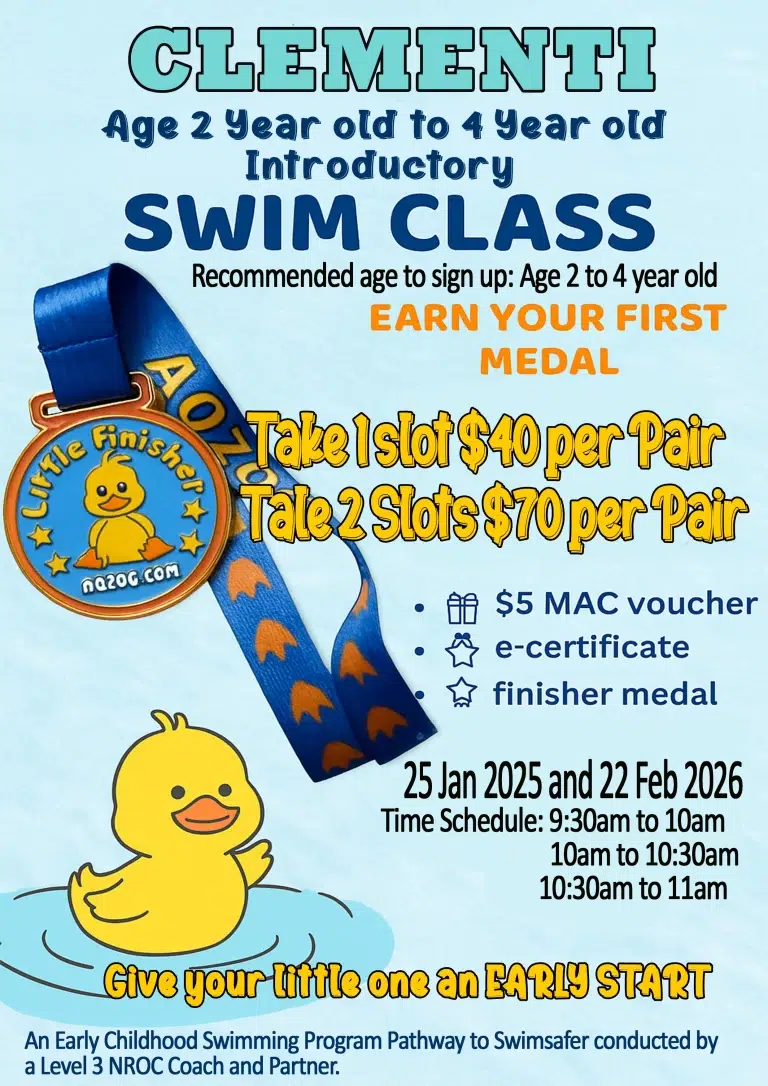
For toddler swim lessons, group classes are usually the most affordable starting point. In many cases, weekly group lessons range from about SGD 80 to SGD 160 per month, depending on venue, coach-to-student ratio, and whether the class follows a structured progression system. Some schools charge by term instead of by month, so the number may look higher upfront even if the weekly rate is reasonable.
Private toddler lessons usually cost much more, often starting from around SGD 50 to SGD 120 per session. If the lessons are conducted at a condo pool or with one coach traveling to your location, the rate may go higher. Semi-private lessons, where siblings or friends learn together, tend to sit in the middle and can be a practical option for families who want more attention without paying full private rates.
Holiday intensives can also change the math. A short program that runs several times a week may cost more in total, but some parents prefer that format because young children can build familiarity faster with more regular exposure.
Why toddler swim lesson prices vary so much
The biggest reason for price differences is lesson format. A group class spreads coaching cost across several families, while a private lesson gives one child direct attention from the coach. That one change affects not only price, but also pacing, confidence building, and how quickly a toddler responds.
Location matters too. Public pool lessons are often more cost-effective than private condo sessions because the operating structure is different. A school running regular classes across established pool locations can keep pricing more consistent. Home or condo arrangements usually involve travel, scheduling flexibility, and smaller lesson batches, which raises the fee.
Program quality is another factor that parents sometimes underestimate. A toddler water introduction class should not be random playtime. It should be structured around water familiarization, breath control, body balance, safe pool behavior, and gradual confidence building. When a program is well designed, parents are paying for a progression system, not just pool time.
Coach experience also affects pricing. In toddler lessons, teaching skill matters as much as swimming skill. Young children need patient instruction, predictable routines, and the right balance between encouragement and control. An experienced coach knows how to keep a child engaged without compromising safety.
What you are really paying for
When parents compare pricing, it helps to look past the session fee and ask what outcomes the lesson is designed to produce. With toddlers, the goal is rarely about formal stroke perfection. At this stage, the strongest programs build comfort in water, teach safe responses, and create a foundation for later skill progression.
That means value comes from several things working together. The lesson should have a consistent structure. The class size should allow real supervision. The coach should know how to manage fear, distraction, and short attention spans. Most importantly, the child should be moving toward confidence instead of simply getting through another session.
A low-cost class with overcrowding or weak coaching may save money in the short term, but it often leads to slower progress, poor habits, or repeated restarts. A slightly higher fee can be the better investment if the child settles faster and learns in a safe, systematic way.
Group vs private lessons for toddlers
If your toddler is generally comfortable in new environments, group lessons can be a strong starting point. They are more affordable, they build routine, and some children enjoy learning alongside peers. Group classes also work well for parents who want steady weekly exposure and a structured long-term pathway.
Private lessons make more sense in certain cases. If your child is highly anxious, easily distracted, or has had a negative water experience, one-to-one coaching can help build trust faster. The coach can adjust pace, activities, and teaching style in real time without having to manage other children.
Semi-private lessons can offer a useful middle ground. A toddler learning with a sibling or familiar friend may feel more secure, while still receiving more individual attention than in a standard group class.
There is no single best format for every child. The right choice depends on temperament, learning style, and how quickly you need progress to happen.
Hidden costs parents should ask about
When looking at how much are swim lessons for toddlers, ask for the full cost, not just the advertised rate. Some programs charge registration fees, makeup lesson fees, pool entry fees, or term commitments that are not obvious at first glance.
You should also ask about what happens if your child misses a lesson due to illness. Toddlers get sick, routines change, and flexibility matters. A program with a clear makeup policy can save frustration over time.
Equipment is usually a smaller cost, but it still counts. Swim diapers, goggles if appropriate, towels, and transport all add to the monthly expense. If the lesson location is convenient, that practical advantage can be worth more than a small difference in price.
How to judge whether the price is worth it
A good toddler swim program should show signs of progression within a reasonable time. That does not mean dramatic milestones every week. It means your child gradually becomes more settled in the water, follows simple instructions better, and shows growing comfort with key skills like kicking, floating support, and water entry routines.
Parents should also look at the teaching environment. Is the coach attentive and calm? Is safety clearly managed? Are the activities purposeful, not chaotic? These details tell you whether the fee supports real instruction.
Structured schools usually offer better long-term value because the next step is already planned. A toddler who starts with water confidence work should be able to move naturally into foundational swimming and, later on, more formal skill development. That continuity matters.
For families who value safety and measurable improvement, a program aligned with clear teaching stages will usually be worth more than one that promises fun but lacks progression. This is one reason established schools such as AQZOG position toddler lessons as part of a wider learning journey, not a standalone activity.
Should you choose the cheapest swim lessons?
Sometimes the cheapest lesson is enough, especially if your child simply needs basic water exposure and you are confident in the teaching setup. But price alone should not drive the decision. Toddlers need consistency, trust, and careful instruction. A weak first experience can create resistance that takes months to undo.
A better question is whether the lesson gives your child a strong start. If the answer is yes, a moderate monthly fee may deliver better results than a lower-cost option that lacks structure. Parents are not only paying for time in the pool. They are paying for safety habits, confidence, and a smoother path into future learning.
How parents can keep costs manageable
If budget is a concern, start by comparing group classes at accessible public pools. These often provide the best balance of affordability and structure. Semi-private sessions can also lower the cost per child if siblings are learning together.
It helps to think long term rather than session by session. A program with regular attendance, clear progression, and experienced coaching often reduces wasted spending because the child is less likely to stall or repeat the same stage unnecessarily.
You can also ask whether monthly scheduling is flexible enough to match your family routine. Consistency is important, but so is choosing a lesson plan you can realistically sustain.
When you are choosing toddler swim lessons, price matters, but peace of mind matters more. The right lesson should help your child feel safe, trust the water, and take the first real step toward lifelong swimming confidence.