Jump Rope Basic Tricks in Singapore for Beginners
A jump rope looks simple until the rope catches your shoes three times in a row. That is why learning jump rope basic tricks in Singapore should begin with control, rhythm, and safe practice habits – not fast spins or difficult social-media challenges. For children, adults, and fitness learners, a few well-practiced skills can build coordination, stamina, and confidence without turning practice into frustration.
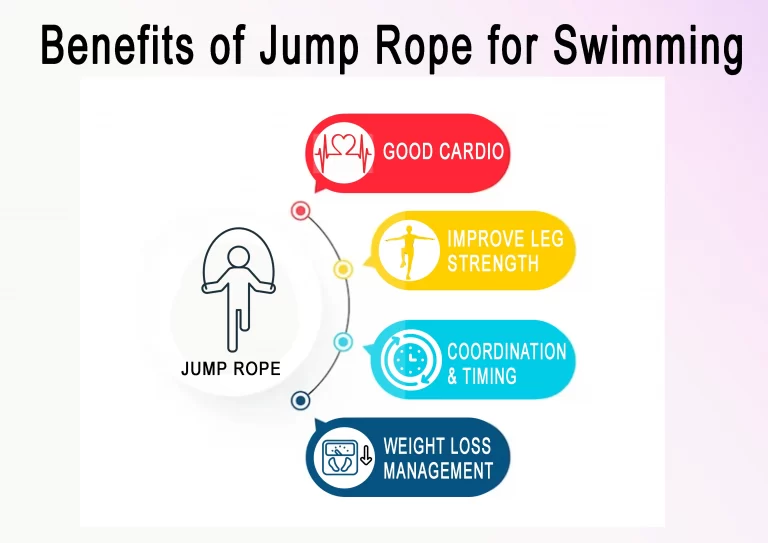
Jump rope is also useful dryland conditioning for swimmers. It develops timing, ankle strength, posture, and cardiovascular fitness, but it is not a replacement for water-safety instruction or supervised swimming practice. The goal is steady, measurable progression: learn one movement, make it reliable, then move on.
Start With the Right Rope and Practice Space
A rope that is too long makes timing difficult. A rope that is too short forces the jumper to hunch and catch their feet. Stand on the middle of the rope with both feet. For beginners, the handles should generally reach around the lower chest to armpit area. Children may need help adjusting the length, especially when using ropes shared at school or in a family setting.
Choose a flat, clear surface with enough space around you. Indoor sports halls, sheltered common areas where exercise is permitted, and outdoor fitness spaces can work well. Avoid uneven pavement, wet pool decks, crowded walkways, and slippery tiled areas. Singapore’s heat and humidity also matter. Practice early in the morning, later in the evening, or in a shaded location, and bring water for longer sessions.
Supportive athletic shoes are a sensible choice for beginners. Barefoot jumping may feel convenient, but repeated impact can strain the feet and calves, particularly on hard ground. If a child reports sharp pain in the ankle, knee, or heel, stop the session and assess before continuing.
The Foundation: The Two-Foot Bounce
Every beginner trick depends on one dependable skill: the basic two-foot bounce. Hold the handles at hip level, with elbows close to your sides. Turn the rope primarily with your wrists rather than large arm circles. Keep the knees softly bent, the chest tall, and the eyes facing forward.
Jump only high enough for the rope to pass beneath your feet. Many beginners jump too high, become tired quickly, and lose their timing. A small, quiet bounce is more efficient and easier to repeat.
Start with sets of 10 successful jumps. Rest briefly, then repeat. Once you can complete 30 to 50 jumps without catching the rope, you have a strong platform for the next skills. For young children, counting successful jumps is often more motivating than asking them to exercise for a set number of minutes.
Common correction: slow the hands, not the feet
When the rope catches, people often react by jumping higher. Usually, the better correction is to slow the wrists and make the rope turn more evenly. If the rope hits the front of the shoes, the hands may be too far forward. If it clips behind the heels, the hands may be drifting behind the hips.
Basic Jump Rope Tricks to Learn in Order
The best progression is not the most impressive-looking one. It is the one that allows a learner to stay relaxed, recover from mistakes, and repeat the skill on command.
1. The alternate-foot step
Instead of landing on both feet at once, shift your weight from one foot to the other as if jogging gently on the spot. Keep the rope speed slow at first. This movement reduces impact and begins to build the footwork needed for more advanced patterns.
A useful practice target is 20 alternating jumps, followed by 10 two-foot jumps. Switching between the two teaches control rather than one fixed rhythm.
2. The high-knee step
Once the alternate-foot step is comfortable, lift one knee slightly higher with each turn. Do not force the knee toward the chest. The purpose is controlled rhythm, not maximum height.
This skill can improve coordination and raise the heart rate quickly. Children should keep the pace manageable. Adults using jump rope for fitness may work in short intervals, such as 20 seconds of high knees followed by 40 seconds of easy bouncing.
3. The side swing
The side swing is one of the safest ways to introduce a visible rope trick because the rope does not need to pass under the feet on every rotation. Begin with several normal jumps. Then bring both hands to one side of the body and swing the rope beside the hip once or twice. Return to a normal jump before repeating.
The key is to keep the shoulders relaxed. Learners often make the movement too large, which causes the rope to lose its shape. A small wrist-led swing is enough.
4. The skier jump
For the skier jump, keep both feet together and move them a small distance left and right while the upper body stays facing forward. Imagine jumping over a narrow line rather than making wide side leaps.
This teaches lateral control and can strengthen balance around the ankles. Keep the movement small. Large jumps make the rope catch and increase the chance of landing awkwardly.
5. The bell jump
The bell jump uses the same idea in a forward-and-back direction. Keep your feet together and hop a short distance forward, then back, with each rope turn. This is harder than it appears because learners must maintain a steady rope rhythm while changing position.
If forward-and-back movement feels unstable, return to the basic bounce. There is no benefit in rushing a trick that is not yet under control.
6. The beginner criss-cross
A full criss-cross is a worthwhile goal, but it should come after solid basic jumping and side swings. Start by practicing the arm movement without jumping. Cross the hands low in front of the waist, then open them again. The rope should form a small loop, not a tight knot.
Next, use a simple pattern: two normal jumps, one crossed jump, then return to normal jumps. Most beginners find it easier to cross their arms only slightly at first. Speed can come later. A clean single criss-cross is better progress than repeated rushed attempts.
A Simple 15-Minute Practice Routine
Short, regular practice produces better results than one exhausting session each week. For a child or adult beginner, 15 minutes is enough to build skill while protecting attention, form, and joints.
Begin with two minutes of marching, ankle circles, gentle calf raises, and shoulder rolls. Spend five minutes on the two-foot bounce, working in short sets. Use the next five minutes on one new skill, such as alternate-foot steps or side swings. Finish with two minutes of easy bouncing and one minute of gentle calf and quad stretches.
Practice two to three times a week. If the calves remain very sore after each session, reduce the number of jumps or choose a softer training surface. Progress is not measured by soreness. It is measured by better rhythm, fewer misses, and more confident movement.
How Parents Can Keep Practice Positive
Young learners respond best when the target is clear and achievable. Rather than saying, “Do 100 jumps,” try, “Let’s get five smooth jumps in a row.” Once that is easy, increase the goal to 10, then 20. This gives children visible evidence that they are improving.
Avoid comparing one child’s progress with another’s. Height, coordination, confidence, and previous sports experience all affect the learning curve. A child who needs more time with the basic bounce is not behind. They are building the movement pattern that makes later skills safer and easier.
For swimmers, rope practice can be kept light on days without intensive pool training. AQZOG teaches swimming as a structured life skill, and dryland activities should support that same approach: good technique first, steady confidence next, and challenging goals only when the foundation is ready.
When to Pause or Seek Guidance
Stop jumping if there is sharp pain, dizziness, chest discomfort, or repeated ankle instability. Learners recovering from a lower-body injury should get advice from an appropriate health professional before adding impact exercise. Children with coordination concerns can still benefit from rope work, but may need shorter practice blocks, a slower rope, or one-to-one guidance.
A rope is also not the right tool for every day. After a demanding swim session, a brisk walk, mobility work, or gentle stretching may be the better choice. Training should build capability, not simply fill a schedule.
The most satisfying jump rope trick is often not the criss-cross. It is the moment a learner realizes they can miss, reset calmly, and complete the next set with better control than before.