What Is Semi Private Swim Coaching for Kids?
A child who is nervous about putting their face in the water needs more than extra pool time. They need a coach who can spot hesitation, give clear correction, and build confidence one small skill at a time. So, what is semi private swim coaching? It is a structured lesson format where a small number of swimmers, usually two and sometimes a few more, learn with one coach while receiving far more individual attention than in a standard group class.
For families and adult learners, semi-private coaching can offer a practical middle ground. It combines the personal feedback of private instruction with the motivation and social comfort of learning beside a familiar sibling, friend, or similarly matched swimmer. When the swimmers have compatible abilities and goals, the format can support steady progress in water confidence, stroke development, safety skills, and SwimSafer readiness.
What Is Semi Private Swim Coaching?
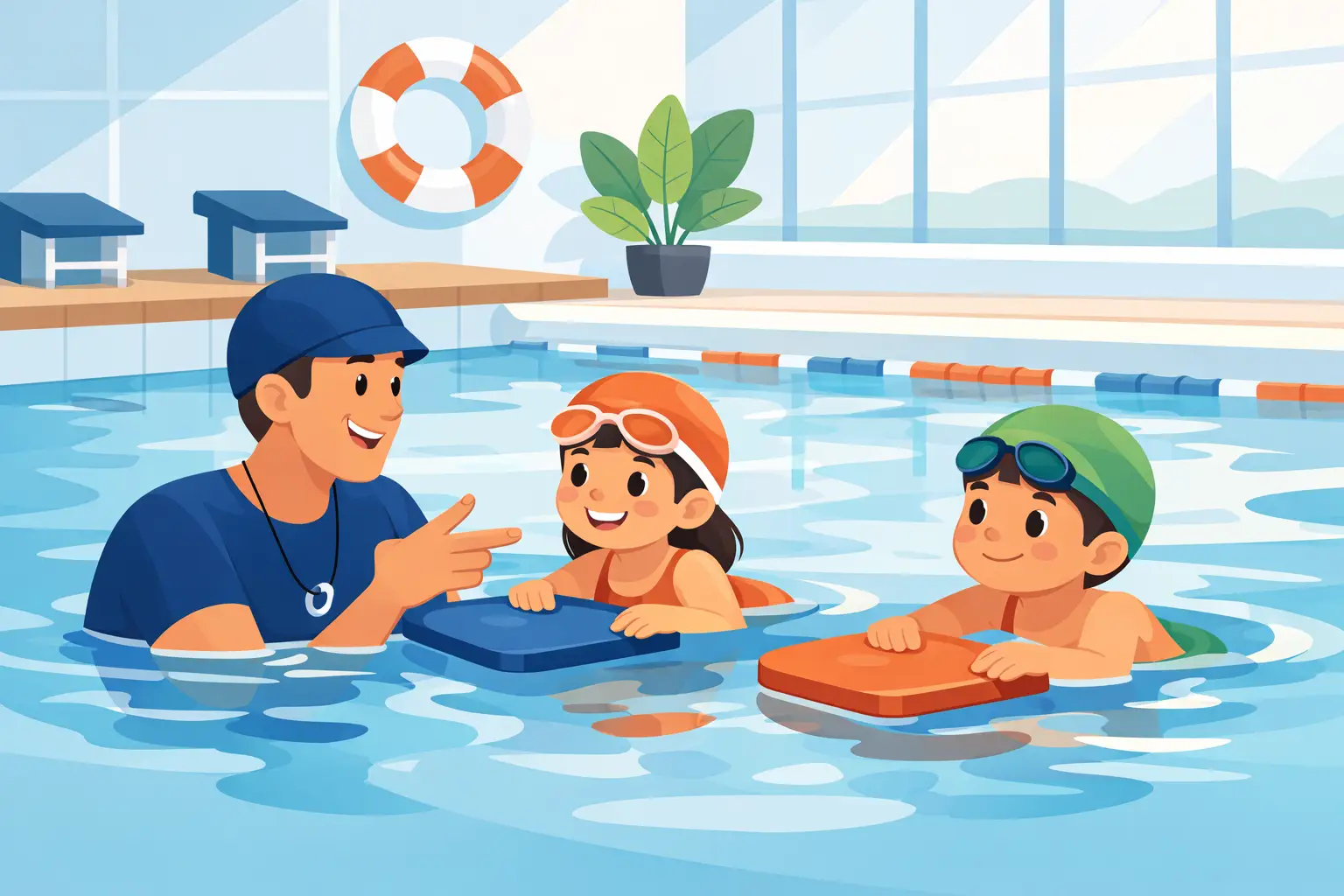
Semi-private swim coaching is a small-format swimming lesson led by a qualified instructor. Unlike a one-to-one private lesson, the coach works with two or more learners in the same session. Unlike a larger group class, each swimmer receives frequent observation, correction, and skill-specific coaching.
The most common arrangement is two swimmers sharing a coach. This may be siblings, classmates, friends, or adult training partners. The coach plans activities around their current ability, then alternates instruction so each swimmer has time to practice independently while the other receives direct guidance.
For example, one beginner may practice relaxed floating and safe recovery to the pool edge while the coach helps the second swimmer improve breathing timing for freestyle. If both swimmers are at a similar stage, they may work through the same drills together, with corrections adjusted for each individual.
The value is not simply a smaller headcount. Good semi-private coaching is still structured around assessment, clear progression, repetition, and measurable outcomes. Learners should know what they are working toward, whether that is water confidence, a safer breaststroke, SwimSafer stage skills, or preparation for a practical assessment.
How Semi-Private Lessons Work
A well-run lesson begins with the coach identifying each swimmer’s starting point. For children, this may include comfort entering the water, face submersion, floating, kicking, and willingness to follow safety instructions. For adults, it may involve water fear, breathing control, basic stroke ability, fitness goals, or an upcoming test requirement.
The coach then organizes the session so both swimmers remain active. Rather than waiting for long periods, each learner practices a relevant drill while the coach rotates attention. This could mean one swimmer holds a streamlined float while the other receives hands-on correction for body position. As confidence increases, the pair may practice the same skill in sequence, such as safe entries, treading water, or coordinated freestyle breathing.
Coaching Is Individual, Even When the Lesson Is Shared
Two children of the same age do not always learn at the same speed. One may be ready to swim independently across a short distance while the other still needs help placing their face in the water. A capable coach does not force them into identical outcomes just because they share a lesson.
Instead, the lesson should retain individual targets. The stronger swimmer may work on a more efficient kick or longer-distance endurance. The beginner may receive additional support with floating, recovery, and confidence-building exercises. This keeps both swimmers challenged without making either learner feel rushed or left behind.
Small-Group Motivation Can Make a Difference
Many children respond well when they can watch a sibling or friend try the same skill. Seeing another swimmer put their face in the water, attempt a back float, or complete a short swim can make a new task feel less intimidating. Positive peer encouragement can also help learners stay engaged through repeated drills.
Adults often benefit in a different way. A training partner can create accountability, especially for learners improving fitness, building endurance, or preparing for a swimming requirement. Still, motivation should never become pressure. A swimmer with significant water anxiety may progress better in a one-to-one setting before sharing lessons.
Semi-Private vs. Private and Group Swim Lessons
Choosing the right format depends on the swimmer’s goals, learning needs, schedule, and confidence level. Semi-private coaching is not automatically better than every other option. It is the right choice when the balance of personal attention and shared learning fits the learner.
Private coaching provides the most concentrated attention. It is often appropriate for a swimmer with strong water fear, a highly specific technical goal, an urgent test deadline, or a need for intensive correction. Every minute of the lesson is focused on one person, which can speed up progress when the swimmer is ready to practice consistently.
Group classes offer a broader social environment and can be an effective long-term pathway for children who learn well with peers. They are often suitable for building routine, following a structured syllabus, and progressing through foundational skills. However, the coach’s attention is naturally shared across more swimmers.
Semi-private lessons sit between these options. They can provide more targeted feedback than a conventional group class while allowing two learners to share the session. For siblings or friends with compatible ability levels, this can be an efficient and encouraging arrangement.
Who Benefits Most From Semi Private Swim Coaching?
Semi-private coaching works best when swimmers are reasonably close in ability, even if they are not identical. Two complete beginners can learn together. Two children preparing for the same SwimSafer stage can also benefit, provided both have developed the required skills at a similar pace.
It is particularly useful for siblings who are comfortable learning together, friends who want a regular shared activity, and adults who prefer to train with a partner. It can also suit a child who has completed beginner lessons but needs more focused correction before moving into a larger class or assessment pathway.
The format may be less suitable when the gap between swimmers is wide. Pairing a confident, independent swimmer with someone who is fearful or unable to participate safely can reduce the benefit for both. The coach may need to divide attention between fundamentally different needs, and the more hesitant learner may feel pressured to keep up.
For very young children, readiness matters more than age alone. Toddlers need patient water familiarization, close supervision, and activities that develop trust around the pool environment. A shared format can work when the children are comfortable together, but the coach should determine whether both can engage safely and productively.
Safety and SwimSafer Progression in a Shared Lesson
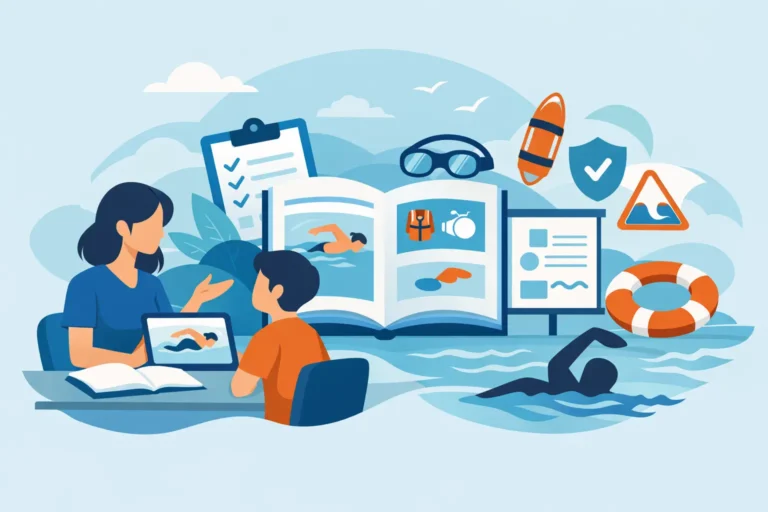
Swimming instruction should always be built on safety, not just strokes. Before a child learns to swim farther or faster, they need practical water survival habits: safe entries, controlled breathing, floating, movement through the water, and the ability to recover to a wall or safe point.
In semi-private lessons, the coach can reinforce these skills repeatedly while monitoring how each swimmer responds. This is valuable for SwimSafer progression, where learners need to demonstrate specific competencies rather than simply attend lessons for a set number of weeks.
A smaller lesson format also makes it easier for the coach to identify gaps early. A child may have a strong kick but poor body alignment. Another may be comfortable swimming but hesitate during a water survival sequence. Addressing these details before a mock practical test can prevent last-minute stress and build genuine readiness.
Certification should never be rushed. A learner is ready for the next stage when they can demonstrate the required skills with control, consistency, and appropriate safety awareness. Semi-private coaching can support faster improvement, but only when practice, confidence, and skill mastery are all moving forward together.
How to Choose the Right Semi-Private Pairing
The quality of the pairing affects the quality of the lesson. Before enrolling, consider four practical questions:
- Are the swimmers close enough in water confidence and current ability to work on related skills?
- Do they have compatible goals, such as beginner confidence, stroke improvement, or SwimSafer preparation?
- Will learning together encourage both swimmers rather than create comparison or pressure?
- Can they attend consistently enough to build momentum and retain skills between lessons?
It is also worth discussing the lesson plan with the coach. Ask how individual progress is tracked, how the coach handles different learning speeds, and when a swimmer may need to move into private coaching or a larger group. Clear expectations protect the learner’s progress and help families choose a format that genuinely fits.
What Results Can Families Expect?
With regular attendance and focused practice, semi-private swimmers can develop stronger water confidence, safer habits, improved technique, and clearer awareness of their next progression milestone. Children often gain confidence from having a familiar partner nearby, while still learning to listen to instructions and perform skills independently.
Progress is rarely perfectly even. A child may gain confidence with floating quickly but need more time to coordinate breathing. An adult may improve fitness before feeling fully comfortable in deeper water. The right coach recognizes these differences, adjusts the drills, and keeps each learner working toward achievable next steps.
At AQZOG, structured swim instruction is designed to help learners build real capability, from early water familiarization through SwimSafer preparation and more advanced skill development. The best semi-private lesson is one where every swimmer leaves the pool knowing what improved, what to practice, and what they are ready to achieve next.