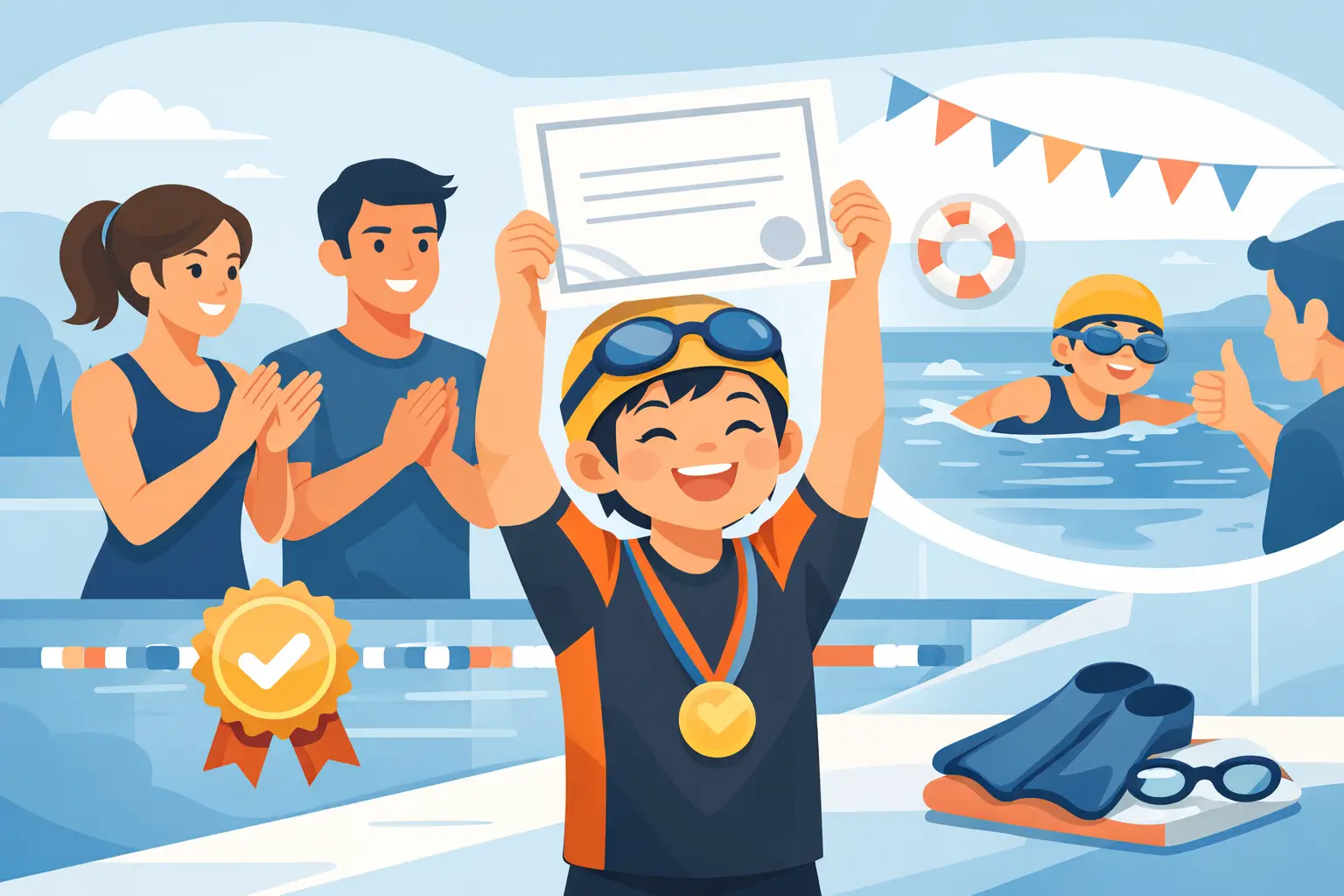
Child Passed SwimSafer After Intensive Lessons
Some parents notice the change before the result is official. Their child walks to the pool with less hesitation, listens more closely, and starts repeating safety steps at home. When a child passed SwimSafer after intensive lessons, the certificate matters, but the bigger story is usually about sharper water awareness, better technique, and a level of confidence that was not there a few weeks earlier.
That result rarely comes from cramming alone. It comes from structured coaching, repeated practice, and clear correction at the right time. Intensive lessons can speed up progress, but only when they are built around SwimSafer standards rather than random drills or endless lap swimming.
Why a child passed SwimSafer after intensive lessons
SwimSafer is not simply a test of whether a child can move through the water. It measures practical swimming ability, water safety habits, controlled breathing, survival skills, and the discipline to perform tasks under assessment conditions. That is why some children who seem comfortable in the pool still struggle during formal evaluation.
An intensive format helps because it shortens the gap between lessons. Skills taught on Monday are reinforced on Tuesday instead of being forgotten by the following week. Body position, kicking rhythm, breathing timing, and confidence in deeper water improve faster when a child practices consistently over a concentrated period.
There is also a psychological advantage. Children often perform better when they stay in learning mode. Weekly lessons are effective for long-term development, but intensive training can be especially useful before a SwimSafer assessment because the child remains familiar with instructions, test sequence, and coach feedback.
That said, intensive lessons are not magic. If a child has severe water fear, poor stamina, or very limited foundational skills, fast-tracked training may need to be paired with more gradual support. The best outcomes happen when the program matches the child’s actual starting point.
What usually changes during intensive SwimSafer training
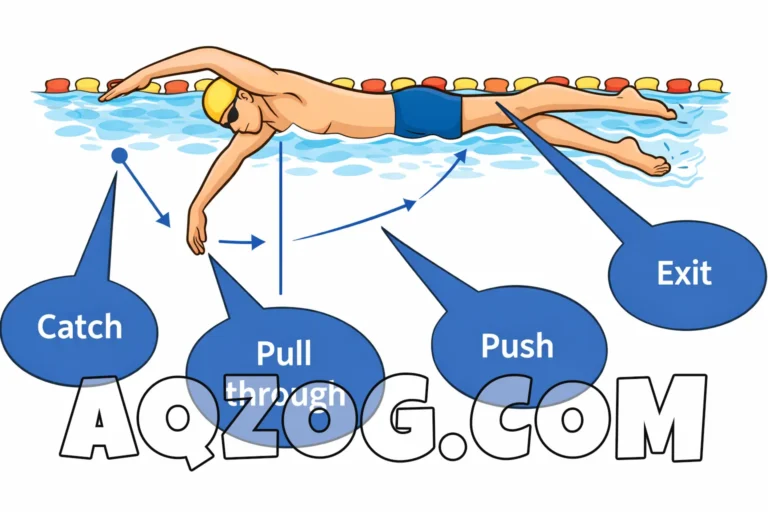
The most obvious change is technical consistency. Many children can complete a skill once, but SwimSafer requires them to do it reliably. Intensive coaching focuses on repeatable performance. Instead of celebrating one successful attempt, the coach works until the movement becomes stable.
Breathing is often one of the biggest breakthroughs. A child who lifts the head too high, panics mid-stroke, or forgets to exhale in the water will waste energy quickly. In a focused training block, breathing errors are corrected again and again until the child starts moving with better control.
Safety behavior improves too. This matters because SwimSafer is built around more than strokes. Entries, exits, orientation in water, and survival responses all reflect whether a child understands how to stay safe. Parents sometimes think their child only needs stronger freestyle, when the real gap is test discipline and water survival awareness.
Confidence also becomes more specific. General confidence sounds good, but assessment confidence is different. It means the child can listen to instructions, wait calmly, perform in sequence, and recover from a small mistake without shutting down. That kind of confidence comes from structured repetition in conditions that resemble the actual test.
Intensive lessons work best when they are structured
A strong intensive program is organized around progression, not fatigue. More pool time is not automatically better. If a child spends every session exhausted, technique usually gets worse, not better.
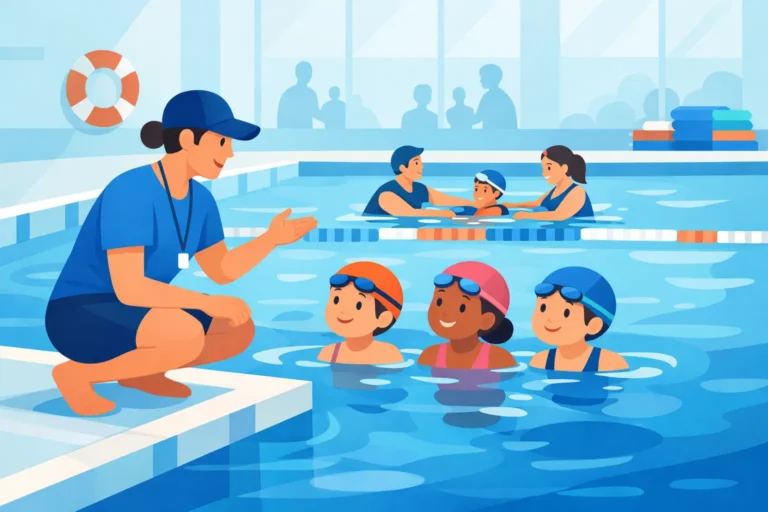
The right structure breaks the learning into manageable targets. One session may focus on body alignment and propulsion. Another may sharpen breathing and stroke timing. Another may rehearse the exact practical items needed for the stage assessment. This keeps training purposeful and makes improvement measurable.
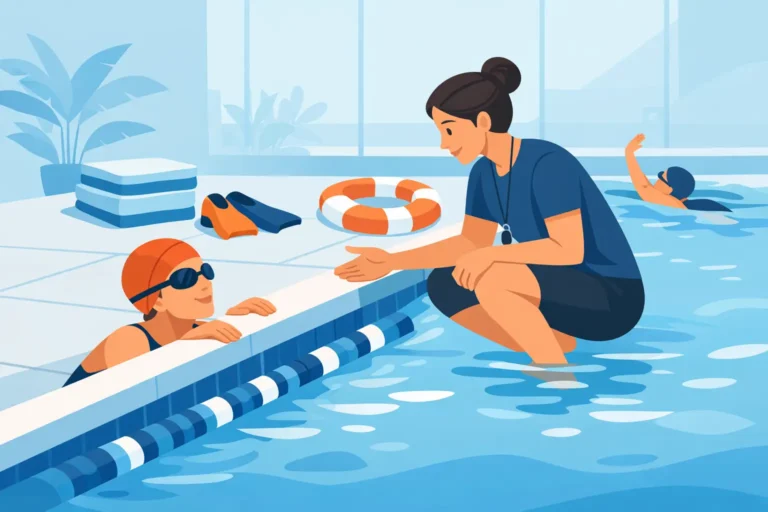
Good coaches also know when to slow down. If a child keeps failing the same movement, repeating it at full speed may only reinforce the mistake. Sometimes the fastest way forward is to simplify the drill, fix the mechanics, and then rebuild the full skill.
This is where experienced SwimSafer-focused instruction makes a difference. Programs that understand the assessment pathway can prioritize the skills most likely to affect readiness while still keeping the larger goal in view, which is safe and competent swimming.
Signs your child is becoming test-ready
Parents often ask when they can expect a pass. The honest answer is that readiness is clearer than timing. A child is usually close when performance becomes steady rather than occasional.
Look for cleaner transitions between skills, not just isolated success. A test-ready swimmer can complete one task and prepare for the next without losing focus. They recover breathing more quickly, respond to instructions with less prompting, and show less tension in deeper water.
Another strong sign is reduced dependency. Children who are ready for assessment do not constantly look to the coach for reassurance before every attempt. They still need guidance, but they begin to trust their training. That shift matters because assessments reward independent execution.
It also helps when the child understands why each task matters. SwimSafer is easier to perform when the swimmer connects the skill to a safety purpose. Floating is not just a test item. It is a survival response. Controlled movement is not just technique. It is energy management in water.
Why some children still need more time
Even after an intensive program, not every child should be rushed into assessment. That is not failure. It is responsible coaching.
Some children improve dramatically in a short period but still lack consistency under pressure. Others can perform all the parts in training but struggle when the sequence changes or when they are asked to demonstrate in front of an assessor. In these cases, a few more sessions can protect confidence and raise the chance of a clean pass.
Physical maturity also plays a role. Younger children may need more time to coordinate breathing, kicking, and arm action together. A child who is small for age or still developing body awareness may progress well, but not at the same speed as a peer.
Parents usually appreciate honest guidance here. A certificate earned too early on shaky skills does not serve the child well. Strong preparation does.
How parents can support progress without adding pressure
Children do best when parents reinforce effort, not only the pass result. Saying, “You listened well today” or “Your floating looked calmer” helps the child notice progress they can control. That is more useful than repeating, “You must pass this time.”
Routine matters too. Rest, hydration, and arriving mentally settled can influence lesson quality more than parents expect. A tired or anxious child may underperform even if the skill level is there.
It is also helpful to keep expectations realistic. Intensive lessons can accelerate learning, but they do not replace proper instruction. If your child needed months to build water confidence, expecting perfect execution after a few sessions may create stress rather than improvement.
When parents and coaches stay aligned, the child receives a clearer message. Safety first. Technique next. Assessment when ready.
Child passed SwimSafer after intensive lessons – what comes next?
A pass is a milestone, not the finish line. The next step should be continued progression so the child does not lose momentum. Skills retained through regular practice become part of long-term water competence.
This is especially important in Singapore, where SwimSafer is meant to support a broader safety pathway, not a one-time achievement. A child who has passed should keep developing stroke efficiency, endurance, and stronger survival responses at the next level.
For some families, that means moving into weekly progression classes. For others, it may mean combining regular lessons with occasional assessment-focused refreshers before the next stage. It depends on the child’s confidence, schedule, and current ability.
What matters most is avoiding the common mistake of stopping immediately after a pass. Children can lose sharpness quickly when practice disappears. Continued training turns a test result into a lasting life skill.
At AQZOG, this is why structured progression remains the focus even after certification. The goal is not only to help a child pass once, but to help them become safer, stronger, and more capable in water over time.
If your child has recently passed after intensive lessons, take a moment to recognize what really happened. They did not just clear an assessment. They learned to respond better in water, trust instruction, and perform with greater control. That is the kind of progress worth building on while it is still fresh.