Autism Swimming Support That Builds Safer Skills
A busy pool can feel very different to a child who is sensitive to sound, movement, touch, or unexpected change. Autism swimming support is not about lowering expectations. It is about creating the right conditions for a swimmer to understand the lesson, feel safe in the water, and make meaningful progress at a pace that works for them.
For many autistic children, swimming can become a valuable life skill and a reliable source of confidence. Water safety matters for every family, but it can be particularly urgent when a child is drawn to water, may wander, or has difficulty recognizing risk in an unfamiliar setting. The best support combines patient coaching with clear routines, practical survival skills, and measurable next steps.
What Autism Swimming Support Should Look Like
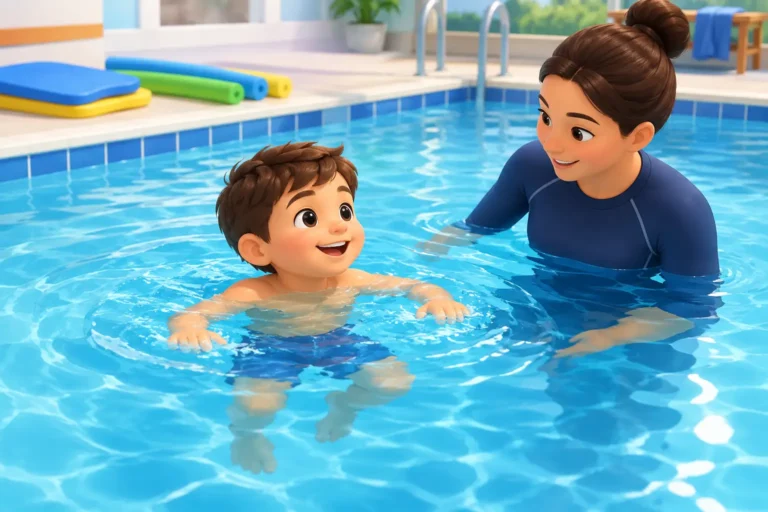
A supportive lesson begins before the swimmer enters the pool. Children benefit when they know where to wait, who will teach them, what will happen first, and what comes next. A coach who gives one clear instruction at a time can reduce pressure and help the child focus on the skill rather than the noise around them.
Consistency is often more valuable than trying to cover many skills quickly. The same lesson day, pool area, coach, and arrival routine can make a substantial difference. When change is necessary, such as a different lane or a new exercise, it should be introduced calmly and with enough preparation.
Effective autism swimming support also recognizes that communication is individual. Some swimmers respond well to short verbal cues. Others understand better when the coach demonstrates the movement, uses visual prompts, or gently guides the sequence step by step. A capable instructor observes what helps the swimmer process information, then adjusts without making the lesson feel complicated.
Most importantly, support should lead somewhere. A child may begin by tolerating water on the hands or face, then progress to blowing bubbles, floating, moving independently, turning around, and reaching the wall. These are not small wins. They are the foundations of water survival.
Start With Safety, Not Stroke Perfection
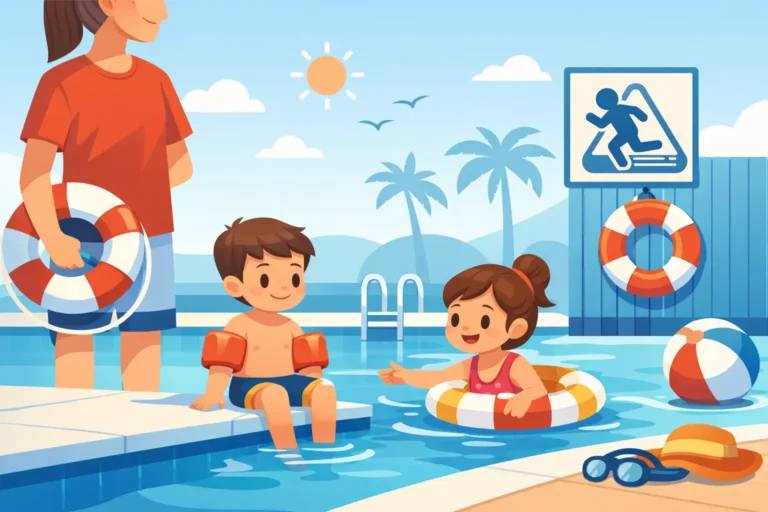
Parents sometimes worry that a child must first become fully comfortable in the pool before learning formal swimming skills. Comfort matters, but safety skills can be taught alongside it. A swimmer does not need a perfect front crawl to learn how to return to the wall, hold a float, or respond when they lose their footing.
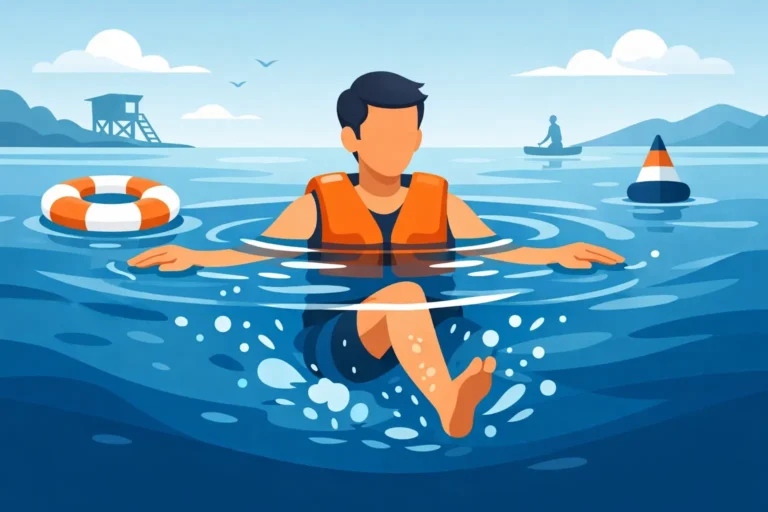
Early priorities should include safe pool entry, waiting for permission before entering water, orienting toward the pool edge, and exiting safely. As confidence develops, lessons can introduce breath control, front and back floats, kicking, short-distance movement, rolling from front to back, and treading or survival floating.
These skills support recognized progression pathways such as SwimSafer, where water survival and personal safety are central rather than treated as an afterthought. However, certification should never force a child through skills before they are ready. The goal is steady readiness: building the physical ability, understanding, and confidence needed to demonstrate each skill reliably.
Choosing the Right Lesson Format
There is no single lesson type that suits every autistic swimmer. The right format depends on sensory needs, communication style, attention, previous water experience, and the child’s response to other children nearby.
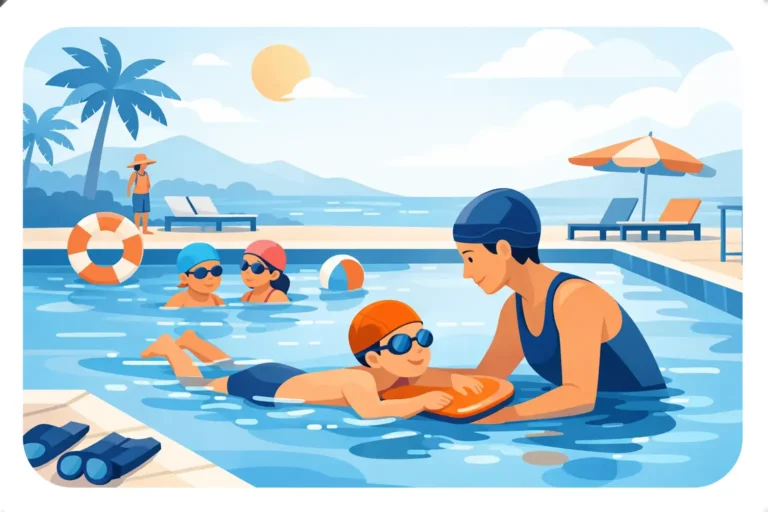
A one-to-one lesson may be the strongest starting point for a child who is fearful, easily overwhelmed, or still learning to trust a coach. Private instruction allows the coach to control the pace, repeat skills as needed, and minimize waiting time. It can also be useful when a swimmer has a specific safety goal, such as learning to return to the side independently.
A small group can be a good next step for children who benefit from seeing peers practice, can manage short periods of waiting, and are ready to follow a shared routine. Group lessons may also build confidence with lane sharing and listening to instructions in a typical pool environment. The trade-off is that the lesson is less individualized, so class size, coach experience, and swimmer matching matter greatly.
Some children do well with a gradual approach: private lessons first, then a carefully selected small group once key routines are familiar. Progression does not have to be linear. A child may need private support again before an assessment, after a break, or during a period of increased anxiety.
Preparing for a Better Pool Experience
A little preparation can prevent the first few lessons from becoming unnecessarily difficult. Tell the child what the visit will involve in simple, concrete language: changing clothes, meeting the coach, sitting near the pool, entering when invited, practicing a few activities, then drying off and going home.
If possible, visit the pool area before the first class or arrive early enough to watch from a quiet spot. This helps the child experience the echoes, splashing, chlorine smell, and activity without immediately being asked to participate. A familiar towel, goggles, swim cap, or comfort item for before and after class may also help with transitions.
Parents should share useful information with the coach in advance. This may include how the child communicates yes or no, what motivates them, what causes distress, whether they dislike water on the face, and what calming strategies work at school or home. Be specific. “Needs extra support” is less helpful than “responds best when shown first, then given one instruction.”
It is also helpful to set a realistic first-lesson target. For one child, success may be stepping onto the pool deck calmly. For another, it may be putting the face in the water or floating with support. A positive ending matters because it shapes willingness to return.
How Coaches Build Trust and Progress
Trust is built through predictable actions. A coach should explain before touching, avoid sudden splashing or forced submersion, and give the swimmer time to respond. Firm safety boundaries are still necessary, especially around pool entry and moving away from the wall, but they can be delivered calmly and consistently.
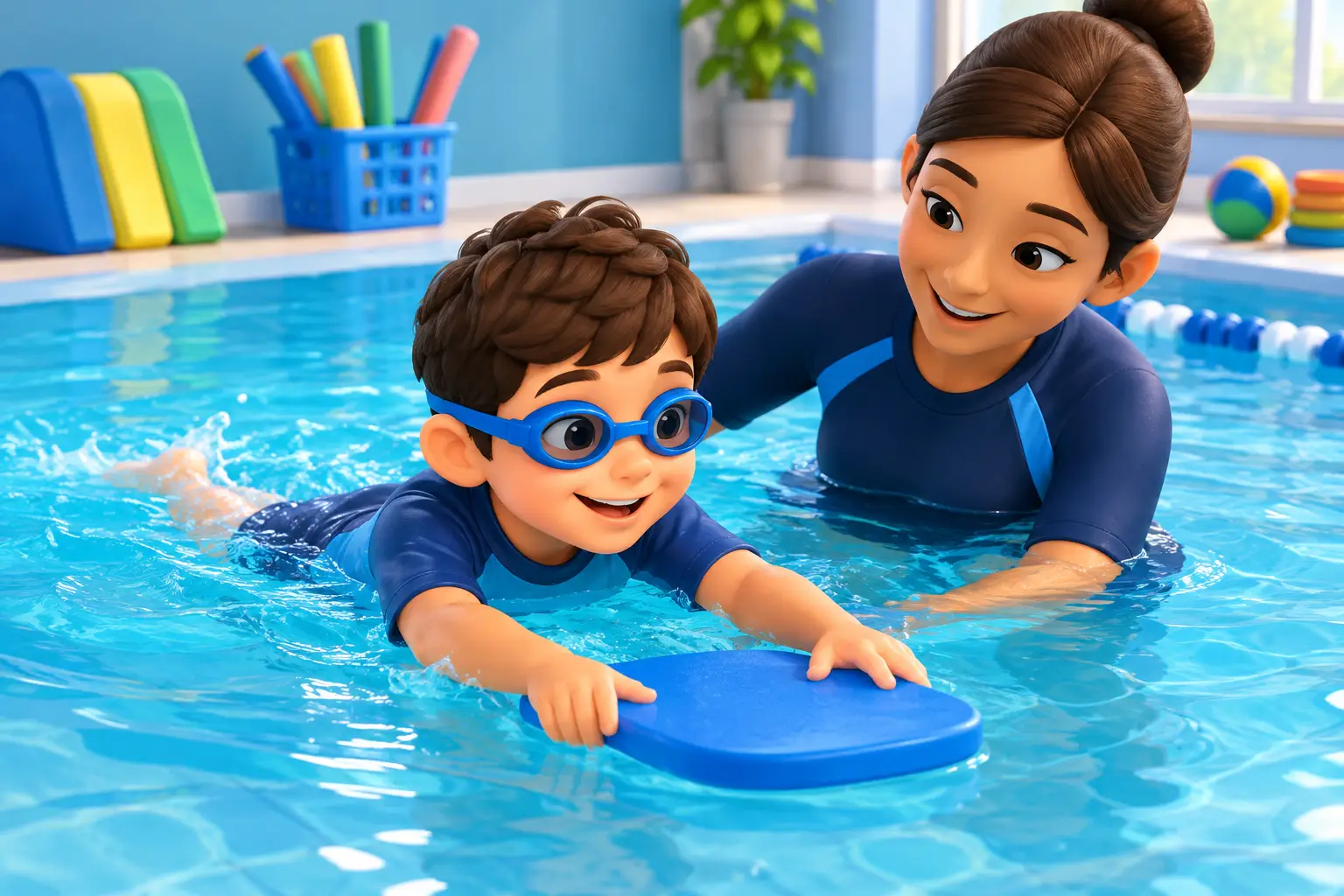
Good instruction breaks larger skills into manageable parts. Instead of asking for a full swim immediately, a coach may practice holding the wall, kicking with support, reaching forward, putting the face in briefly, and gliding a short distance. Repetition is not wasted time. It is how many swimmers turn an unfamiliar movement into a dependable skill.
Motivation should be practical rather than distracting. Specific praise works well: “You held your back float for five seconds,” or “You turned and found the wall by yourself.” This shows the swimmer exactly what improved. When a child has a preferred interest or reward system, it can be used thoughtfully, but the lesson should remain focused on water safety and skill development.
When Progress Looks Different
Swimming progress is rarely a straight line. A child may perform a skill confidently one week and refuse it the next because the pool is busier, they are tired, or something in the routine changed. That does not mean the skill has disappeared. It means the coach needs to identify the barrier and rebuild confidence without abandoning the goal.
Parents can support this by looking beyond distance swum. Signs of progress include entering with less hesitation, accepting goggles, waiting safely, recovering after a splash, listening to a cue, or asking to repeat an activity. These changes often come before visible stroke improvement.
At AQZOG, structured instruction is designed around clear skill progression, water confidence, and safety readiness. For autistic swimmers, that structure is especially valuable when it is paired with patient coaching and an individual plan rather than a one-size-fits-all expectation.
Questions to Ask Before Enrolling
Before choosing a program, ask how the coach adapts instruction for sensory or communication differences, whether private or small-group options are available, and how progress is recorded. Ask how the school handles distress in the water and whether the coach can prioritize survival skills before formal assessment goals.
Also ask about consistency. Can the child work with the same coach where possible? Is there a clear lesson routine? Will the instructor communicate what was practiced and what comes next? Families deserve more than reassurance. They need a plan that makes progress visible.
The right swimming environment does not ask a child to become someone else before they can learn. It gives them a safe, structured way to build the skills that may one day help them enjoy the water with greater freedom and stay safer around it.