Holiday Intensive Swim Program Benefits
School breaks can either slow progress or create the best window for it. A holiday intensive swim program makes use of that open schedule by giving learners consistent practice over a short period, which often leads to faster improvement in water confidence, stroke control, and safety skills.
For parents, that matters when a child has been taking weekly lessons but still needs stronger basics, better breath control, or more confidence in deeper water. For adults, it can be the difference between staying stuck at the beginner stage and finally becoming comfortable enough to swim independently. The key is not simply doing more lessons. It is doing the right lessons, in the right sequence, with enough repetition to let skills settle.
What a holiday intensive swim program is meant to do
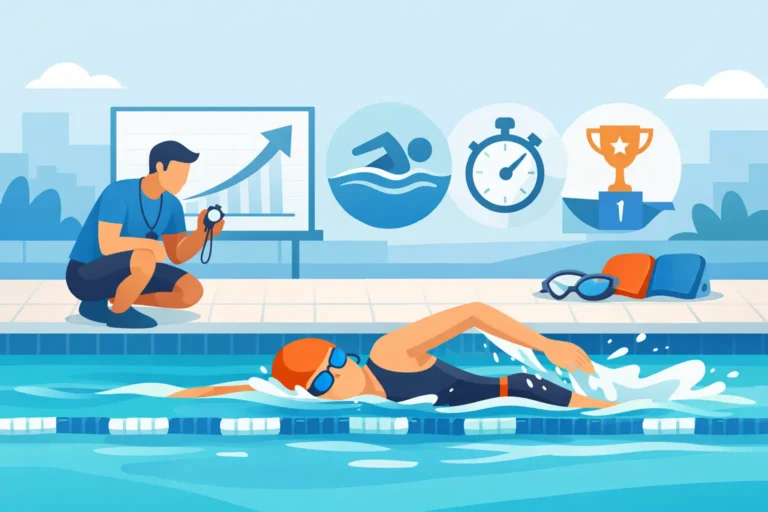
A holiday intensive swim program is designed to compress structured learning into a shorter period, usually across several consecutive days or a few sessions within one or two weeks. That concentrated schedule gives coaches more opportunities to correct technique early, reinforce safe habits, and build momentum before fear or hesitation returns.
This format is especially useful for beginners and developing swimmers because swimming is highly skill-based. If a learner only practices once a week, each lesson may begin with some review before progress can continue. In an intensive setting, yesterday’s lesson is still fresh. That helps children remember kick rhythm, body position, and breathing cues more clearly. Adults benefit in the same way, particularly if they are overcoming water anxiety and need repeated exposure in a controlled, supportive setting.
The best programs are not rushed. Intensive does not mean cramming. It means structured repetition with a clear progression from foundation skills to more advanced control.
Who benefits most from a holiday intensive swim program
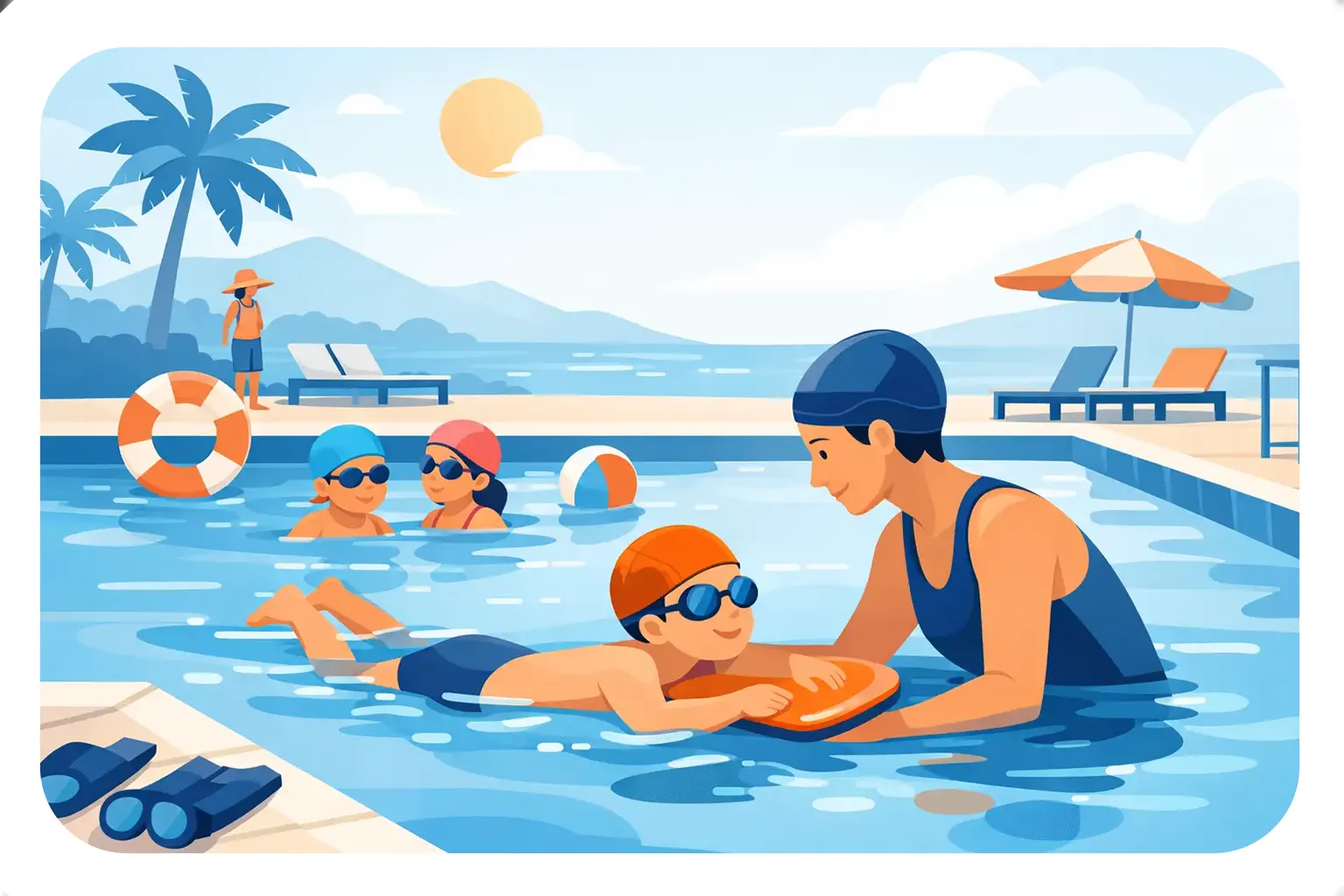
Children often benefit the most because school vacations create a natural slot for short-term, focused training. A child who is still hesitant about submerging, floating, or moving independently can improve quickly when lessons happen close together. Repetition reduces the gap between attempts, which can make confidence grow faster.
This format also works well for students preparing for SwimSafer stages, school swimming requirements, or practical assessments. When there is a target to work toward, an intensive block helps sharpen technique and keeps the learner mentally engaged. Instead of spreading preparation over many weeks, the child gets a more concentrated runway.
Toddlers can join shorter, age-appropriate intensive sessions, but expectations should be different. At that stage, the goal is usually water familiarity, safe movement, and comfort with guided routines rather than technical mastery.
Why faster progress happens in concentrated lessons
Swimming improves through frequency. When a learner repeats the same movement pattern several times over several days, the body starts to recognize what efficient movement feels like. A coach can adjust head position, leg action, arm timing, and breathing, then see the swimmer apply that correction again soon after. That feedback loop is much tighter than in weekly classes.
Confidence also grows through familiarity. Many fears in the water are not about ability alone. They are about uncertainty. A child who practices floating today, kicking tomorrow, and gliding the next day begins to expect the environment rather than fear it. Adults who are nervous in the water often improve when lessons are close enough together that they do not have time to mentally reset into avoidance.
There is also a practical advantage. Short school breaks often provide uninterrupted learning time without homework pressure, exams, or packed weekday routines. That allows learners to show up with better focus and energy.
What to look for in a strong holiday intensive swim program
Not every intensive program delivers the same result. The most effective ones are built around structure, safety, and measurable progression. A busy schedule alone does not guarantee improvement.
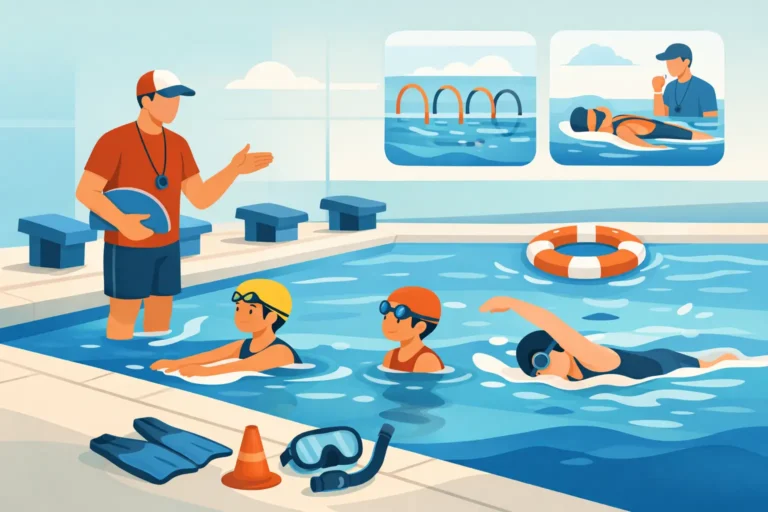
Start with coaching quality. Learners need instructors who can teach progressively, not just supervise pool time. Good coaches know when to push, when to slow down, and how to adapt for nervous beginners, young children, and assessment-focused swimmers.
Program design matters just as much. Sessions should have a logical sequence. Foundational skills such as breath control, floating, kicking, and recovery should be taught before expecting strong stroke coordination. If the learner is preparing for SwimSafer, the training should reflect stage requirements rather than random practice.
Safety standards should be non-negotiable. Parents and adult learners should expect close supervision, clear instructions, age-appropriate drills, and a teaching approach that prioritizes water survival as much as swimming form.
How to decide if intensive or weekly lessons are better
It depends on the learner’s goal, timeline, and temperament. Weekly lessons are excellent for long-term skill building, especially when families want consistency over months. They fit well into regular routines and support steady development.
A holiday intensive swim program is often the better choice when there is a short-term objective. That might be gaining basic water confidence before a family trip, catching up after slow progress, preparing for a SwimSafer stage, or using school break time productively.
Some learners do best with a combination. An intensive block can create a breakthrough, while weekly lessons afterward help maintain and extend that progress. This is often the strongest approach for children who need an initial confidence boost and then benefit from continued guided practice.
Setting realistic expectations for results
An intensive program can accelerate learning, but it should not be marketed as instant mastery. Progress depends on starting level, attendance, focus, and how well the learner responds to instruction. A complete beginner may gain water confidence, basic kicking, floating control, and improved breathing within a short block. A more advanced swimmer may use the same period to sharpen technique, improve efficiency, or prepare for assessment tasks.
Children also progress at different rates. Some become comfortable quickly once they trust the coach. Others need more time, especially if they have had a previous negative experience in the water. Adults can show the same range. A learner who is physically capable may still need time to work through tension or fear.
That is why honest coaching matters. Strong swim schools set clear objectives and communicate what the learner is likely to achieve within the available sessions.
Why structured progression matters more than intensity alone
The strongest results come from a clear teaching pathway. Random drills may keep swimmers active, but structured progression is what builds competence. Learners should understand what they are working on, why it matters, and what comes next.
This is particularly important in Singapore, where many families want swimming lessons to support both safety and formal stage advancement. A program aligned with progression benchmarks gives parents more confidence that the time invested is moving the child toward practical readiness, not just general pool comfort.
AQZOG’s approach reflects this principle well: focused instruction, safety-first teaching, and step-by-step development that supports confidence and measurable results.
When a holiday period opens up, it can be one of the most useful times to invest in swim training. A well-run holiday intensive swim program does more than fill the calendar. It gives children and adults a focused chance to become safer, steadier, and more capable in the water – and that progress can carry well beyond the break.