Swimming Lessons Near Public Pools: What to Check
A public pool can be only minutes from home, but convenience alone does not make a swim class the right choice. The best swimming lessons near public pools give children and adults a clear route from first water confidence to safe, independent swimming. They also make progress visible: a learner knows what skill comes next, a parent understands what is being practiced, and the coach can identify when the swimmer is ready to advance.
For families, this matters because swimming is more than a weekend activity. A child who can float, breathe calmly, move through water, and respond to basic safety instructions has skills that can matter for life. For adult beginners, a well-structured class replaces uncertainty with practical control, one manageable step at a time.
How to Choose Swimming Lessons Near Public Pools
Start with the teaching plan, not the pool address. A nearby location helps families attend consistently, especially when school schedules, work commitments, and travel time compete for attention. Yet a short commute is only valuable when the program has qualified coaching, suitable class placement, and a progression system that does not leave swimmers repeating the same activities without a purpose.
Ask how the school assesses new learners. A complete beginner should not be expected to keep pace with a child who is already comfortable putting their face in the water. Likewise, a swimmer who can move independently may need technique correction, survival skills, or preparation for the next assessment rather than another introduction to kicking.
A good assessment considers comfort level, breathing control, floating, propulsion, listening skills, and confidence in deeper water. This creates a safer starting point and avoids the common frustration of placing a learner in a class that is either too easy or too demanding.
Look for progression you can explain
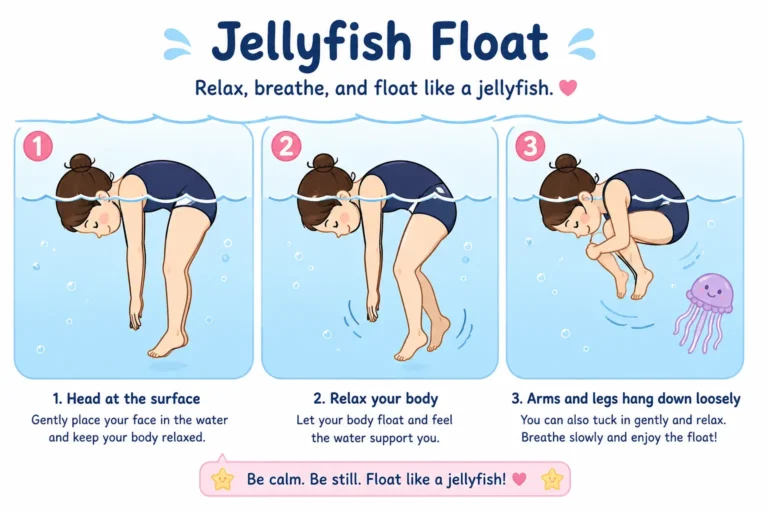
Structured lessons should have defined outcomes. For younger swimmers, this may begin with safe pool entry, submersion confidence, front and back floating, and basic movement. As skills develop, lessons should build toward coordinated strokes, treading water, water survival responses, and distance swimming.
Parents should be able to ask, “What is my child working toward this term?” and receive a direct answer. Progress is not simply attending more classes. It is demonstrating skills consistently, under the guidance of a coach, with the control and awareness needed to use them safely.
For swimmers following a formal pathway such as SwimSafer, training should include both skill development and assessment readiness. A certification-focused program should not rush a child into a test before the foundations are secure. It should prepare them for practical requirements, theory expectations where applicable, and the calm decision-making that water safety requires.
Check who is coaching and how the class runs
Public pools are active environments. There may be recreational swimmers, school programs, changing weather, lane activity, and noise around the deck. In this setting, an experienced instructor does more than demonstrate a stroke. They maintain attention, manage safe spacing, adapt instructions, and keep each swimmer working at an appropriate level.
Class size matters, but it is not the only factor. A small group can be highly effective when swimmers are placed accurately and the coach has a clear plan for each lesson. Private instruction can be the better option for a child with significant water fear, a learner preparing for an assessment, or an adult who wants focused stroke correction. Semi-private lessons can suit siblings or friends with similar ability levels who benefit from more personalized feedback.
Before enrolling, ask how missed classes, rain delays, pool closures, and make-up arrangements are handled. These details affect consistency, and consistency is one of the strongest drivers of swimming improvement.
What a Strong Public Pool Program Should Teach
A quality program balances confidence with caution. Some learners become eager quickly and want to move into deeper water before their body position, breathing, or recovery skills are ready. Others need more time to trust the water. Both situations call for patient, intentional coaching rather than pressure.
For toddlers, the priority is positive water familiarization alongside safe routines. They learn to respond to the instructor, enter the water appropriately, hold supported positions, and become comfortable with splashing and gentle submersion at a pace that respects their readiness. The goal is not to force early independence. It is to build trust and a safe relationship with water.
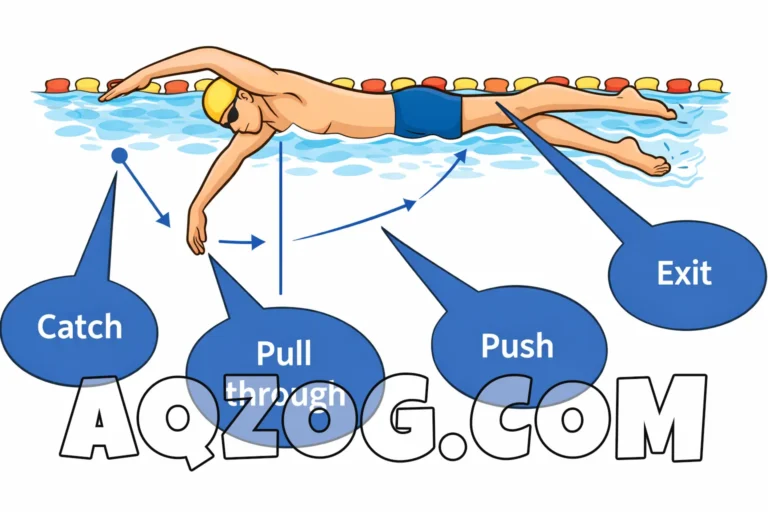
For school-age children, lessons should develop a wider safety foundation. This includes floating and recovery, controlled breathing, propulsion, safe entries, directional changes, treading skills, and awareness of what to do when tired or unsettled in the water. Stroke development becomes more meaningful when it is built on this foundation.
Adults deserve the same structured approach. Many adults avoid lessons because they feel embarrassed about being beginners, especially in a public setting. A supportive instructor will break the learning process into practical actions: exhale in the water, relax the neck and shoulders, float with support, recover to standing, then add movement. For fitness swimmers and triathlon trainees, the focus may shift to breathing rhythm, efficient body alignment, endurance, and open-water relevant control.
Choose the Lesson Format That Fits the Goal
Weekly group lessons are often the right starting point for families who want steady development and a predictable routine. Children also benefit from learning alongside peers, provided the group is matched by ability. The trade-off is that group instruction cannot always spend extended time on one individual challenge.
Private coaching offers faster correction and more flexible pacing. It is particularly useful for water-fear learners, swimmers returning after a long break, test-focused students, and those with a specific goal such as improving freestyle efficiency. It is a premium option, so families should use it strategically when individualized attention will make a meaningful difference.
Holiday intensive programs can help when a child needs concentrated practice before an upcoming assessment or has stalled due to inconsistent attendance. Multiple sessions in a shorter period can reinforce a skill quickly. However, intensive training is most effective when it follows an appropriate level placement and is supported by continued practice afterward. A short course is not a substitute for long-term skill retention.
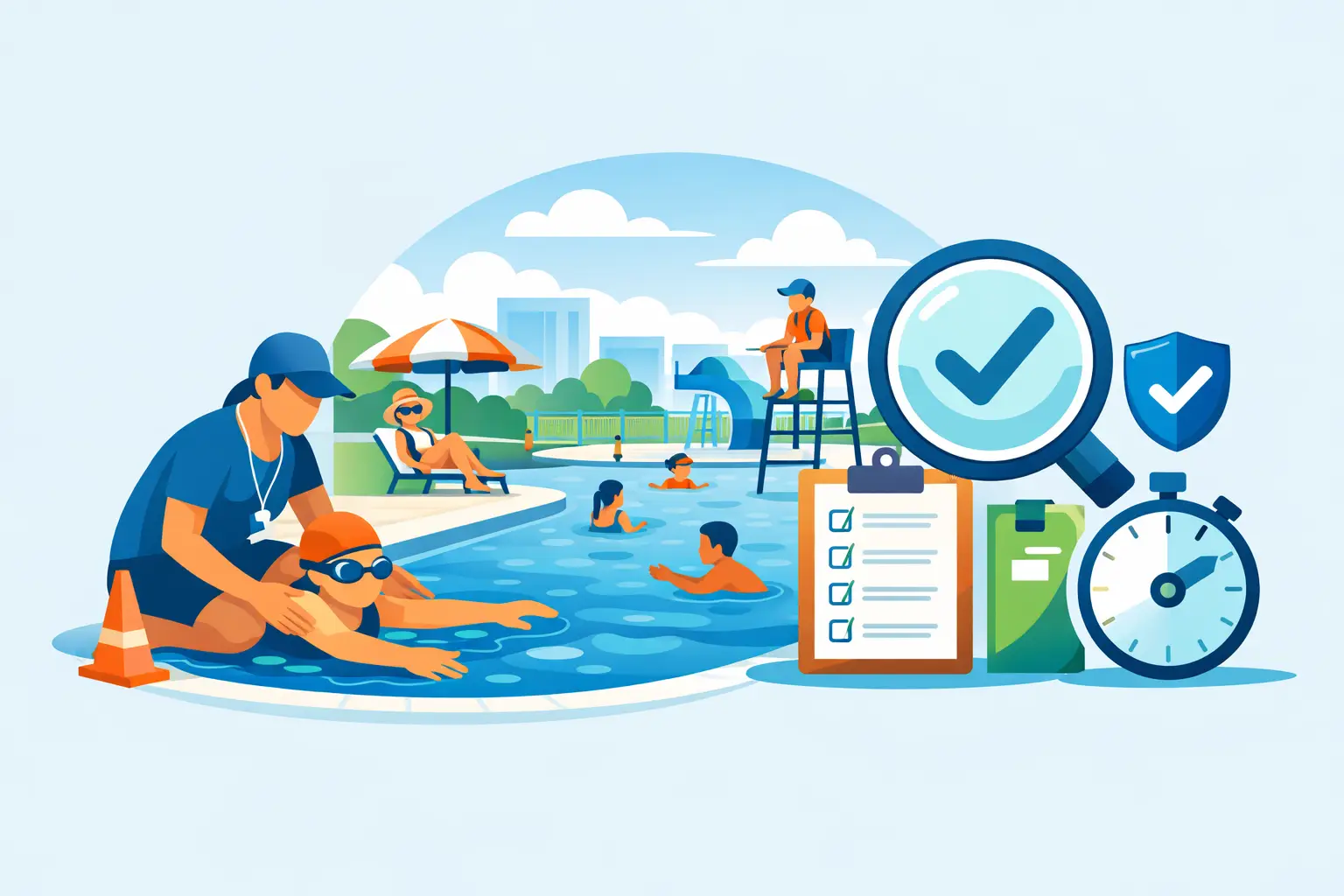
When comparing programs, use these practical questions:
- Does the lesson pathway include water safety as well as stroke technique?
- Is there an assessment process before class placement?
- Can the school explain the next progression milestone clearly?
- Are private, group, and assessment-preparation options available when needs change?
- Does the coach provide feedback that parents or adult learners can understand?
Pool Location Is Part of the Plan, Not the Whole Plan
The benefit of public pool lessons is access. A convenient neighborhood pool can make weekly attendance realistic, reduce travel fatigue for young children, and allow adults to train around work schedules. It also helps swimmers become familiar with real community pool settings rather than relying only on a controlled private facility.
Still, inspect the practical conditions. Consider whether the pool has a suitable shallow area for beginners, whether lesson times avoid the busiest periods, and whether there is a comfortable place for parents to observe where permitted. For young children, bring goggles that fit properly, a towel, dry clothing, drinking water, and enough time to settle before the lesson begins. Arriving rushed can make a nervous learner more resistant to entering the water.
A public pool also creates valuable opportunities to reinforce safety habits. Children should learn to wait for instruction, identify safe entry points, avoid running on wet surfaces, and understand that confidence does not remove the need for supervision. These are lessons that extend beyond the class itself.
AQZOG has built its swim programs around this combination of accessible public pool locations, structured instruction, and measurable SwimSafer progression. Whether a learner starts as a cautious toddler, a school-age beginner, or an adult determined to overcome water fear, the right coaching plan should make the next step clear.
Choose a program that treats every lesson as preparation for a safer, more confident swimmer. The closest pool may get you through the gate, but structured teaching, consistent practice, and capable coaching are what help a swimmer move forward with confidence.