Is Private Swim Coaching Worth It for Your Child?
A child who clings to the pool wall may not need more time in the water. They may need the right instruction, at the right pace, with a coach who can respond to every hesitation. That is the real question behind “is private swim coaching worth it?” It is not simply about paying for individual attention. It is about whether one-to-one coaching creates safer, more confident, and more measurable progress for the swimmer in front of you.
For some children and adults, private coaching is the fastest route from uncertainty to independent swimming. For others, a small group class provides the social energy and regular practice they need. The best choice depends on the swimmer’s starting point, goals, confidence level, and timeline.
What Private Swim Coaching Actually Changes
In a group lesson, a coach must divide attention across several swimmers. A well-run class can still deliver structured progression, peer motivation, and valuable water time. But each swimmer will receive feedback in shorter intervals, and the lesson pace must suit the group as a whole.
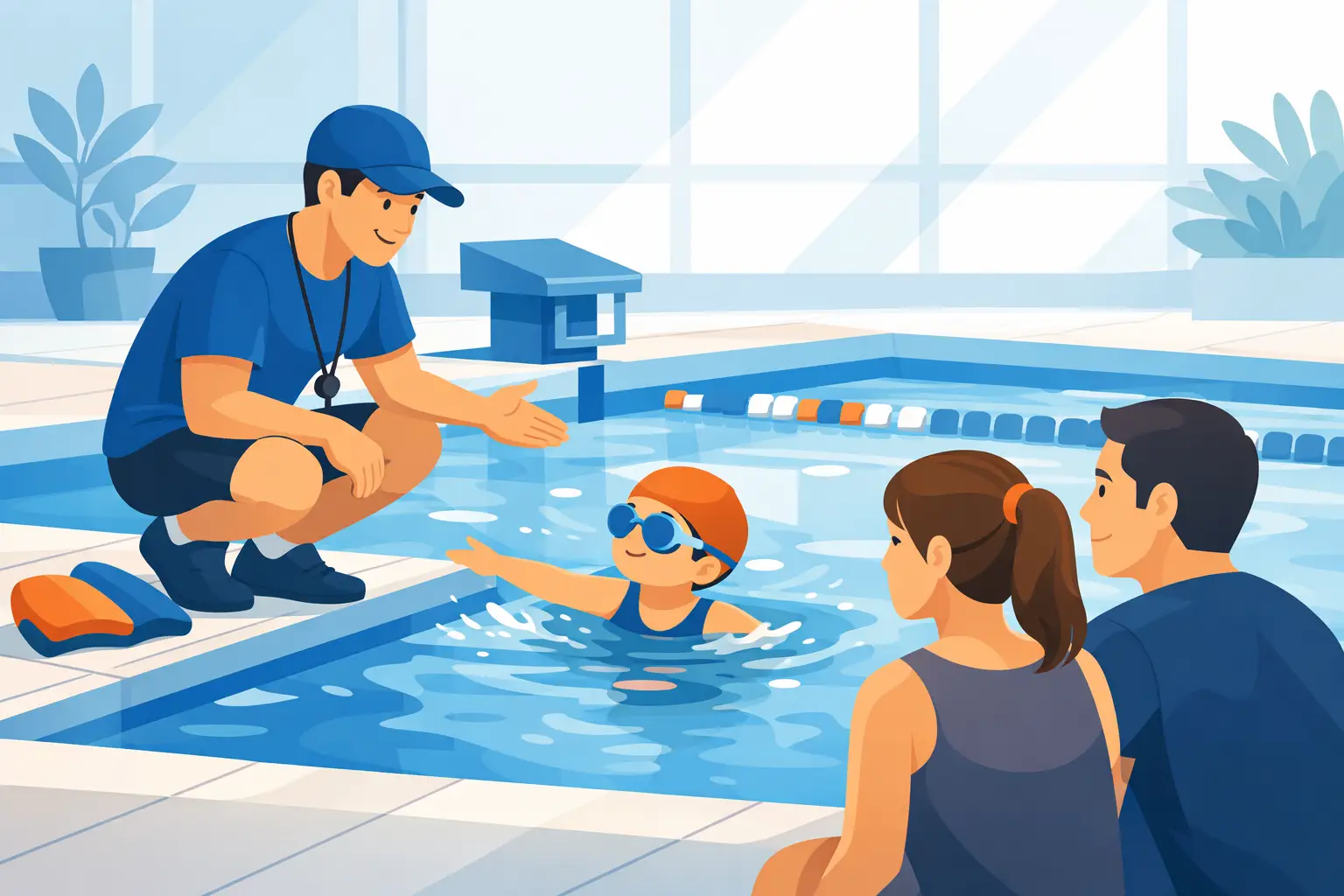
Private swim coaching changes that equation. Every drill, correction, and repetition is selected for one swimmer. If a child is lifting their head to breathe, the coach can address body position immediately. If an adult beginner is anxious about submerging their face, the lesson can spend the necessary time on breathing control and calm water entry rather than moving ahead because the rest of the class is ready.
This is particularly valuable because swimming skills build on one another. A swimmer who has not developed a relaxed float will struggle to kick efficiently. A swimmer who cannot coordinate breathing will often find freestyle tiring and frustrating. Individual coaching identifies the missing foundation early, then builds the next skill on solid ground.
When Is Private Swim Coaching Worth It?
Private coaching is most worthwhile when a swimmer has a clear need that is difficult to address at group pace. That may be fear, a specific technical barrier, an upcoming assessment, or a goal that requires focused improvement.
For children who are fearful or hesitant
Some young swimmers need time to trust the water before they can learn strokes. They may dislike splashing, resist putting their face in, or panic when their feet leave the floor. Pushing them through a standard sequence too quickly can reinforce the fear.
A private coach can use gradual, consistent exposure to help the child feel secure. Lessons may begin with supported movement, blowing bubbles, safe entries, and floating games before progressing toward independent travel. The goal is not to rush a child into deep water. It is to create dependable confidence while teaching safe responses.
This focused approach can also help parents. Instead of wondering whether their child is falling behind, they can see exactly what is being practiced and why it matters.
For SwimSafer progression and test readiness
SwimSafer assessment is not only about completing a stroke over a required distance. Children must demonstrate age-appropriate water survival knowledge, controlled movement, safe entries, and the skills expected at their stage. A swimmer who performs well in casual play may still need targeted practice to complete an assessment calmly and correctly.
Private sessions can be highly effective before a SwimSafer practical test or mock assessment. The coach can identify whether the swimmer needs work on treading water, sculling, survival swimming, rhythm, distance management, or following test instructions. Instead of repeating skills they have already mastered, the swimmer spends the lesson on the elements affecting readiness.
That does not mean every child needs private coaching to earn certification. Many swimmers progress successfully through weekly group classes. Private lessons become a sensible investment when there is a short timeline, an uneven skill profile, or a child whose confidence drops in assessment conditions.
For plateaus in stroke technique
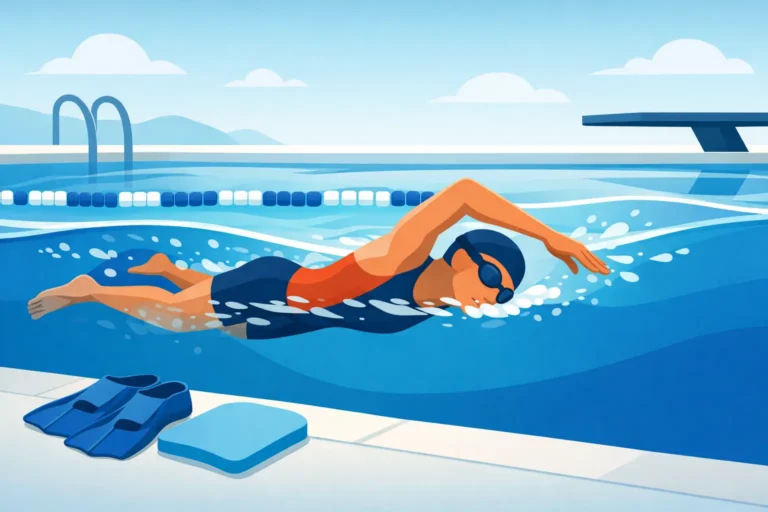
A swimmer may be comfortable in the pool yet make little progress from week to week. Common issues include a dropped elbow in freestyle, wide breaststroke kicks, poor timing, breath-holding, or a body position that creates drag. These details are easy to miss when swimmers practice independently and can take time to correct in a group setting.
One-to-one coaching offers repeated observation and immediate feedback. The coach can change one variable at a time, use drills that match the swimmer’s error, and check whether the correction holds over multiple lengths. This is useful for school-age swimmers moving beyond basic water safety, as well as adults training for fitness, lap swimming, or triathlon.
For adults who want a focused starting point
Many adults delay lessons because they feel embarrassed about being beginners. Others can move through the water but have never learned efficient breathing or a recognizable stroke. A private setting reduces the pressure of comparison and gives the learner full control over the pace.
For an adult with water fear, the first milestone may be standing comfortably in chest-deep water or placing their face in the pool. For a fitness swimmer, it may be swimming several lengths without exhaustion. Both goals deserve a structured plan, not generic advice from the pool deck.
The Trade-Off: Private Lessons Are Not Always the Best Fit
Private coaching costs more per session than group instruction. That higher price reflects individual planning, uninterrupted coach attention, and a program built around one swimmer’s needs. Families should weigh that cost against the likely outcome, rather than assuming private is automatically better.
A confident child who enjoys learning with friends may thrive in a weekly group class. Group settings teach swimmers to listen, take turns, and remain engaged while others practice. They also provide regular social motivation, which can make learning feel less like a lesson and more like a positive routine.
Semi-private lessons can be a practical middle option. Two swimmers with similar ability levels can receive more feedback than in a larger class while sharing the cost. This works especially well for siblings or friends who are close in confidence and skill. It is less effective if one swimmer is fearful and the other is already ready for stroke development, because the lesson will still need to compromise.
The right question is not, “Which format is best?” Ask, “Which format gives this swimmer the right challenge, feedback, and practice time now?”
How to Decide Before You Enroll
Start with the swimmer’s present ability, not their age alone. Can they enter and exit safely? Are they comfortable getting their face wet? Can they float, kick, and travel without support? Do they understand basic pool safety? These answers help determine whether the immediate priority is water confidence, survival skills, stroke development, or assessment preparation.
Next, consider the timeline. A child preparing for a school requirement or a SwimSafer stage assessment may benefit from an intensive block of focused lessons. A family with no urgent deadline may prefer the steady rhythm and lower weekly cost of a group program.
Finally, look for instruction with a clear progression plan. Quality coaching is not measured by how tired a swimmer feels after class. It is measured by safer decisions in and around water, stronger foundations, improved technique, and skills that can be repeated independently. An experienced coach should be able to explain what the swimmer is working on, what comes next, and how progress will be assessed.
Making Private Coaching Deliver Results
Private lessons work best when they are treated as a focused learning program rather than an occasional pool activity. Consistency matters. A single session can reveal technique issues and build motivation, but repeated practice is what turns a correction into a reliable skill.
Parents can support progress by arriving on time, allowing the child to practice without pressure, and reinforcing safety rules outside class. Avoid coaching from the poolside if it conflicts with the instructor’s cues. Children usually respond best when one coach leads the lesson and parents provide calm encouragement afterward.
At AQZOG, private coaching can be used as a complete one-to-one pathway or as targeted support alongside structured group lessons. This is often helpful for swimmers who need confidence building, a technical reset, or extra preparation before a SwimSafer assessment.
Private swim coaching is worth it when individual attention solves a real barrier: fear that has stalled progress, a safety skill that needs strengthening, a technique issue that persists, or a certification goal with limited time. If your swimmer is progressing well and enjoys the group environment, stay with the format that keeps them consistent. If they need a plan built around their exact next step, focused coaching can turn uncertainty into visible, lasting progress.