Are Semi Private Swim Lessons Worth It?
Some swimmers do better when they are not alone, but still need more attention than a full group class can offer. That is where semi private swim lessons make a practical difference. For many children, siblings, friends, and even adults learning together, this format creates a strong balance between personal coaching, safety supervision, and steady progress.
The question is not simply whether this lesson type is good. The better question is whether it fits the swimmer’s current stage, confidence level, and goals. For a parent choosing lessons for two children, or an adult pairing up with a spouse or friend, that distinction matters.
What semi private swim lessons actually mean
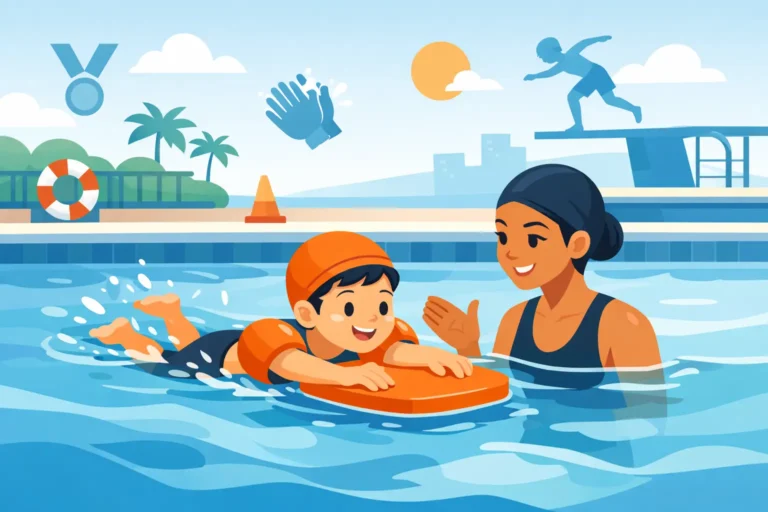
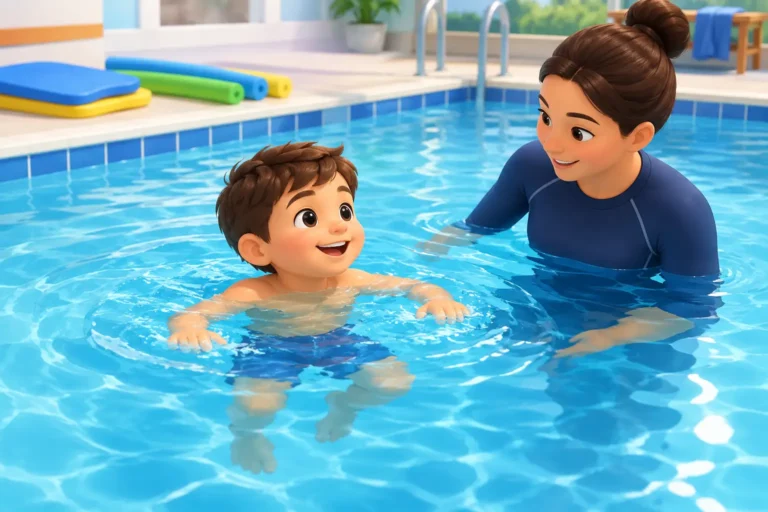
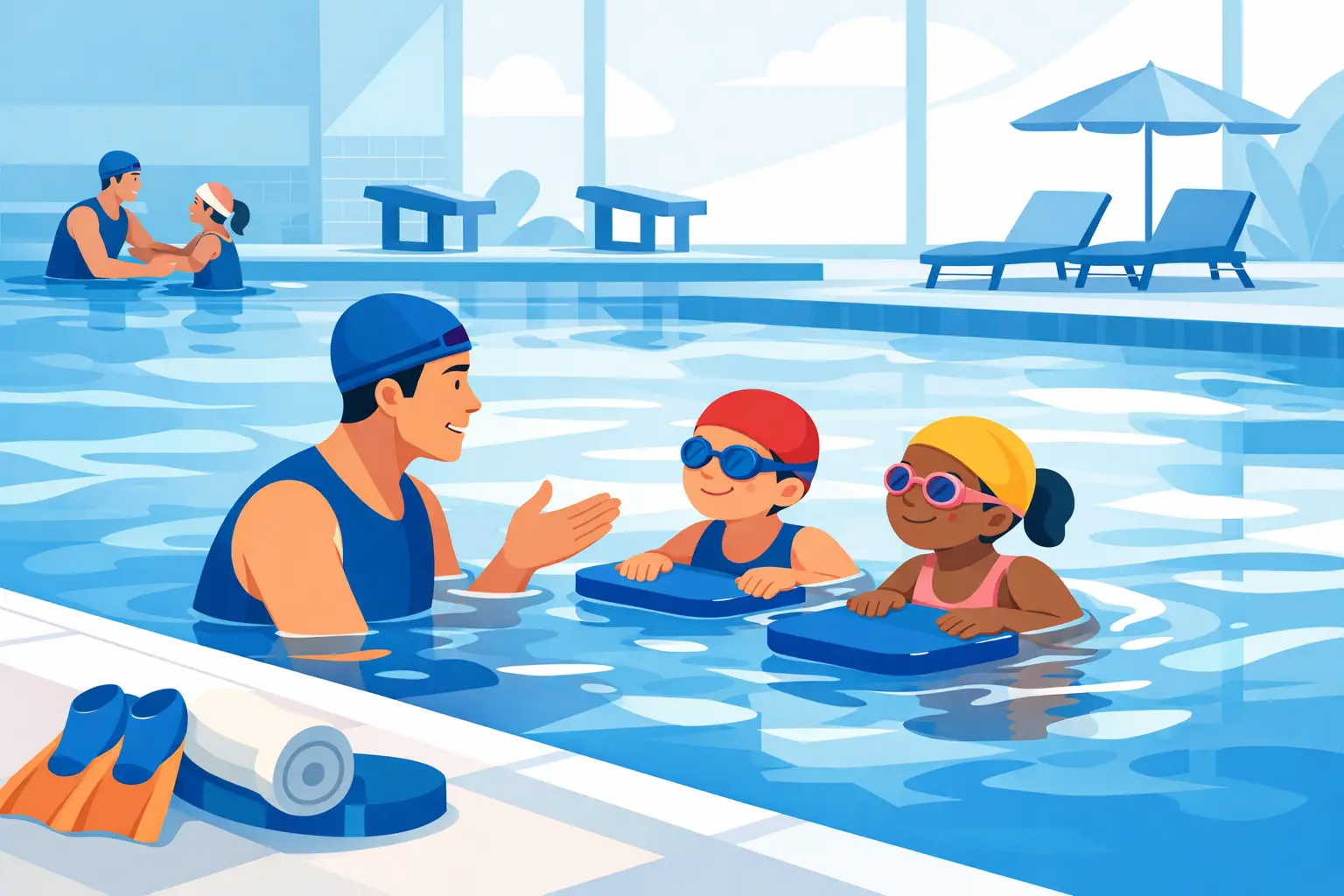
Semi private swim lessons usually involve two swimmers learning together with one coach. In some programs, the number may extend slightly beyond two, but the core idea stays the same – more individual attention than a standard group class, with the shared pace and motivation of learning alongside another swimmer.
This format works best when both swimmers are reasonably close in age, ability, and learning speed. That does not mean they must be identical. One swimmer may be slightly stronger, while the other needs more reassurance. What matters is that both can follow the same teaching plan without one constantly waiting or falling behind.
For swim schools that prioritize structured progression, semi private lessons are not simply a cheaper version of private coaching. They are a distinct teaching format with their own strengths. When matched well, they can accelerate skill development while keeping the session efficient and engaging.
Why families choose semi private swim lessons
Parents often consider this option when they have siblings with similar readiness levels. Instead of placing both children in a larger group where attention is spread across several learners, semi private instruction gives them focused guidance while still letting them learn side by side.
That side-by-side dynamic can be powerful. A hesitant child often gains confidence by watching a sibling or friend attempt the same skill first. An adult beginner may feel less self-conscious learning with someone familiar rather than joining a broader class of strangers. For many swimmers, that emotional comfort translates into better participation and more consistent progress.
There is also a practical benefit. Semi private lessons usually provide better value than booking two separate private sessions. Families and adult learners who want stronger coaching support without moving to full one-to-one rates often see this as the most sensible middle ground.
The biggest advantages of semi private swim lessons
The strongest advantage is coaching attention. In a larger group, the instructor must divide time across several swimmers, manage class flow, and adapt to multiple ability levels. In a semi private setting, the coach can spot technical mistakes earlier, correct body position more quickly, and keep both learners working at an appropriate pace.
That matters for foundational skills. Breathing control, floating, kicking alignment, arm recovery, and water safety habits are easier to build correctly when errors are addressed early. This is especially important for beginners, because weak habits formed in the first stage often take much longer to fix later.
Another advantage is confidence building. Some swimmers freeze up when every task feels like a solo performance. With a partner in the water, they often relax enough to try. Children may participate more willingly in submersion drills, jumps, or assisted propulsion when they see a familiar companion doing the same activity.
There is also an accountability effect. When one swimmer is engaged, the other usually stays switched on as well. Sessions feel active, not passive. That can improve lesson consistency over time, especially for school-age children and adults who need structure to keep moving forward.
When semi private lessons are the right fit
This format is often ideal for siblings close in age, friends with similar ability, couples learning together, or parent-child pairs in selected beginner settings. It is especially useful when both swimmers want a structured program but do not need fully individualized lesson time.
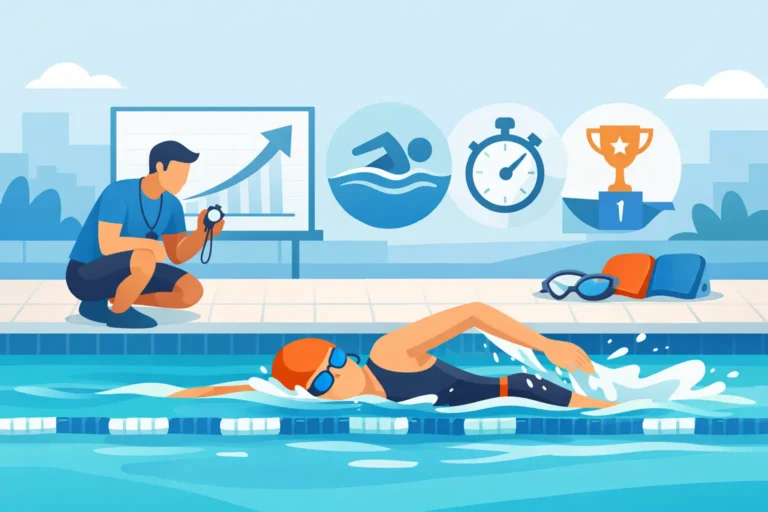
It can also suit test-focused swimmers preparing for stage progression, provided their current skills are aligned. If both learners are working toward similar outcomes, such as stroke improvement, survival sequence practice, or readiness for assessment standards, semi private coaching allows targeted work without the pace swings that can happen in a larger mixed group.
For adults, it often works well for beginner confidence building and technique correction. Two adult learners with similar comfort levels can practice repeatedly under close supervision while keeping the lesson less intense than a one-to-one session.
When semi private lessons may not be the best choice
The format is not automatically right for everyone. If one swimmer is water fearful and the other is already swimming independently, the lesson can become unbalanced. The coach may need to spend most of the session managing anxiety for one learner while the other gets limited progression work.
The same issue appears when personalities differ too sharply. One child may be highly focused while the other is playful and easily distracted. One adult may want fitness-based stroke correction while the other is still learning to put their face in the water. In those cases, shared instruction can slow both swimmers down.
Safety and teaching quality depend on matching. If the gap in readiness is too wide, private lessons or separate group placement usually make more sense. Strong swim schools assess this honestly rather than forcing a pair into a format that looks convenient on paper but performs poorly in the water.
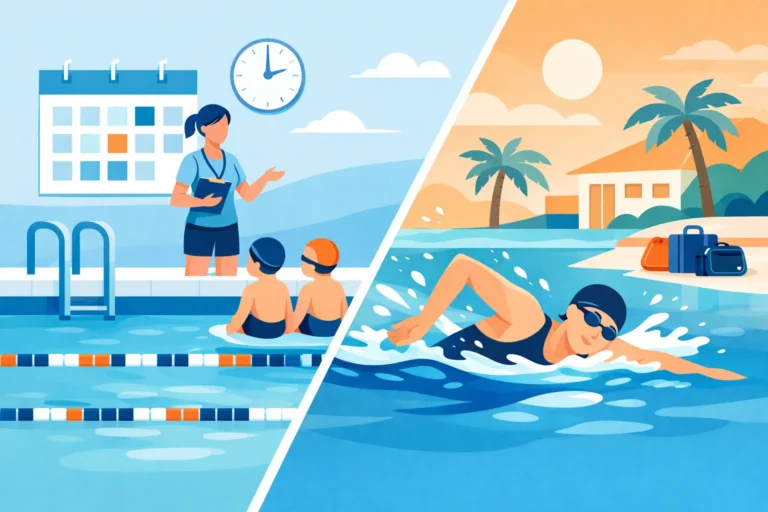
Semi private vs private vs group lessons
Private lessons offer the highest level of personalization. Every correction, drill, and progression step is built around one swimmer. This is usually the best option for severe water anxiety, very specific technical goals, or situations where rapid skill improvement is needed in the shortest possible time.
Group lessons provide social learning, routine, and affordability. They can be very effective when the class is well structured and swimmers are grouped correctly. For many children, group classes support long-term development well, especially once basic confidence is established.
Semi private lessons sit between those two models. They preserve much of the focus of private coaching while adding shared motivation and cost efficiency. That middle position is exactly why they are so popular. They are not the cheapest option, and they are not the most individualized. But for the right pair, they often deliver the best balance of value and results.
What progress should you expect?
Progress in semi private lessons depends on attendance, swimmer readiness, coaching quality, and how well the pair is matched. With regular lessons and a clear progression plan, swimmers often show stronger technical improvement than they would in a larger general class.
Beginners may move from water adjustment to independent kicking, supported breathing, and basic stroke coordination with good momentum. Children preparing for structured benchmarks may gain better control in survival skills, entries and exits, floating, and distance work. Adults often improve confidence first, then technique and efficiency.
Still, faster is not always linear. One swimmer may suddenly improve after weeks of hesitation. Another may need longer to consolidate breathing or body position. A good coach keeps both learners progressing without pushing either beyond safe readiness.
How to choose the right semi private setup
Start with ability match, not convenience alone. It may be tempting to pair any two children from the same household, but lesson quality depends more on similar learning needs than family logistics. Age, confidence in water, listening ability, and current swimming skills should all be considered.
Next, look at the teaching structure. A strong semi private program should still have clear progression markers, safety routines, and measurable skill outcomes. It should not feel like casual shared pool time. Whether the goal is beginner confidence, stroke development, or formal assessment readiness, the lesson plan should be visible in how the session is taught.
Coach experience matters as well. Instructors need to manage two swimmers without losing individual correction. That takes more than basic teaching ability. It requires observation, pacing, and the judgment to know when both swimmers can work together and when each needs separate correction within the same session.
For parents and adult learners who want a structured pathway with safety at the center, experienced providers such as AQZOG often position semi private lessons as a focused progression option rather than a compromise choice. That distinction matters because it shapes how the lesson is delivered.
A smart choice when the pairing is right
Semi private swim lessons work best when they are intentional. The right pair, guided by an experienced coach, can build confidence, improve skills, and progress efficiently without the cost of full private instruction. If you are choosing between convenience and fit, always choose fit first. In swimming, the best results usually come from the lesson format that matches the learner, not the one that sounds best on paper.