Best Swimming Experience With AQZOG for Families
A child who can float calmly, move to the pool wall, and listen for instructions has gained more than a new activity. They have started building a life skill. The best swimming experience with AQZOG is designed around that outcome: measurable water confidence, practical survival skills, and steady progression toward stronger strokes and recognized SwimSafer milestones.
For parents, the right lesson is not simply the one that keeps a child occupied for an hour. It is one that gives clear evidence of improvement. For adult learners, it is not about being pushed into the deep end before they are ready. It is about coaching that respects their starting point while moving them forward with purpose.
What Makes a Swimming Experience Worth Choosing?
A high-quality swim program combines safety, structure, coaching consistency, and achievable goals. These elements matter at every age, but the balance changes according to the swimmer.
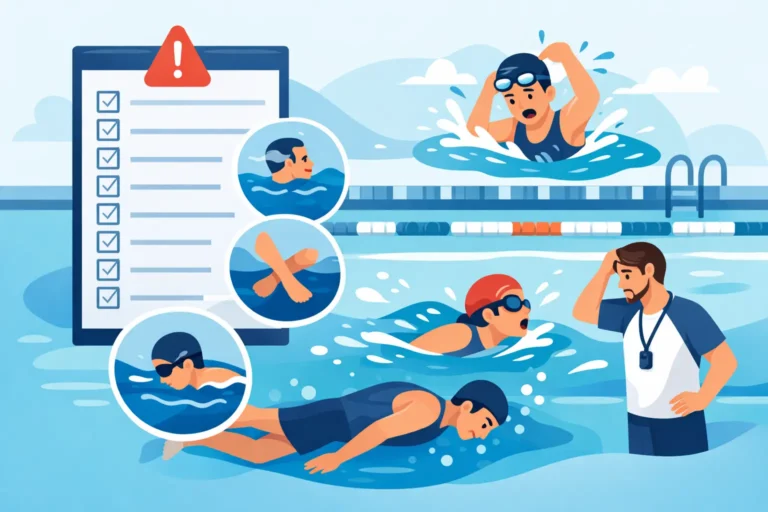
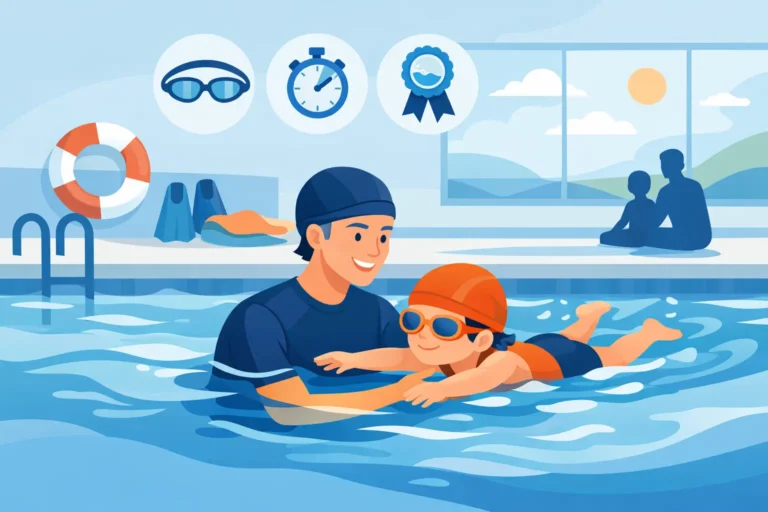
Toddlers need a patient introduction to water, supported by routines that make the pool feel predictable and safe. Young children need foundational skills such as safe entries, breath control, floating, kicking, and moving independently through the water. School-age swimmers often need a clear SwimSafer pathway that develops both technique and water-survival awareness. Adults may need help overcoming water fear, improving stroke efficiency, preparing for a fitness goal, or working toward a practical assessment.
The strongest programs do not treat these needs as interchangeable. They assess the swimmer, set an appropriate starting point, and teach skills in a logical order. This reduces frustration and helps learners gain confidence because they can feel and see their progress.
Best Swimming Experience With AQZOG: A Structured Path
The best swimming experience with AQZOG starts with progression, not guesswork. A swimmer should know what they are learning now, why that skill matters, and what comes next. That clarity is especially valuable for families preparing for SwimSafer stages, where confidence must be supported by specific practical and theory knowledge.
A structured pathway typically begins with water orientation and safe movement. Learners develop comfort putting their face in the water, controlling their breathing, floating in different positions, and returning to safety. These are not minor beginner exercises. In an unexpected water situation, composure and body control can make a meaningful difference.
As swimmers advance, coaching shifts toward coordinated kicking, arm actions, body position, and efficient breathing. The goal is not to rush a learner into a stroke that looks polished from the pool deck. The goal is to build technique that remains reliable when the swimmer gets tired, distracted, or challenged by deeper water.
For test-focused learners, progression also includes familiarity with SwimSafer expectations. Mock practical tests and theory preparation can help swimmers understand the assessment environment before the actual test day. This is particularly helpful for children who have the skills but become nervous when instructions change or when they are observed more formally.
Safety Skills Should Be Taught Alongside Strokes
Parents often ask how quickly their child will learn freestyle or breaststroke. It is a reasonable question, but stroke development should not be the only measure of success. A child may swim several meters with enthusiasm while still needing stronger survival skills, better breath management, or more confidence in deeper water.
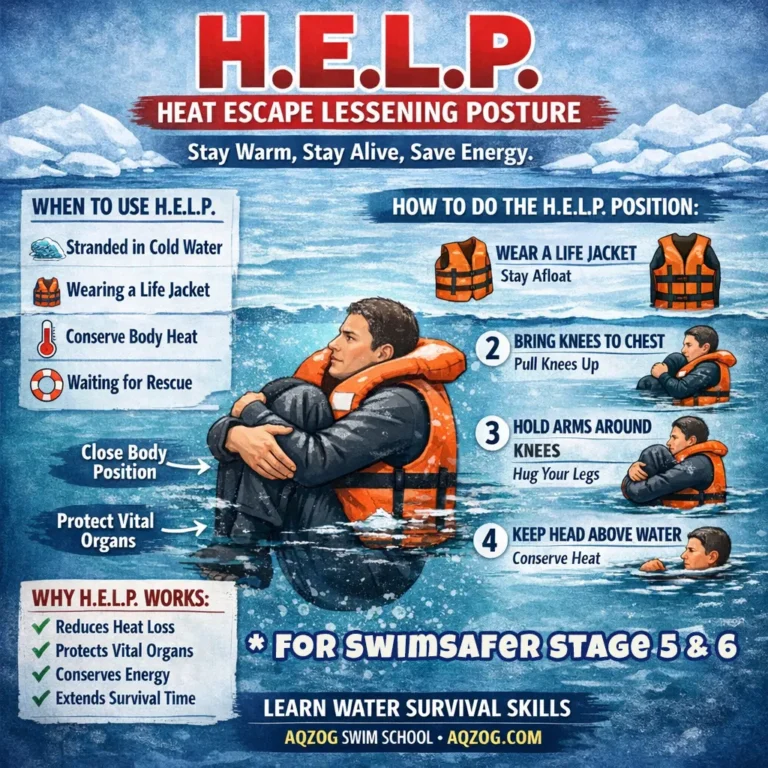
A safety-centered program teaches swimmers how to enter and exit the water safely, orient themselves after entering, float or tread water, move toward a safe point, and respond appropriately to instructions. It also introduces sound water judgment: recognizing pool rules, respecting depth changes, and understanding that confidence should be matched by ability.
This approach can feel slower than a lesson focused only on visible stroke distance. In practice, it produces more capable swimmers. Once a child has a secure foundation, they are more likely to attempt new skills calmly and retain them over time.
For adults who are afraid of water, safety-first instruction is equally important. An adult learner may need more time with supported floating, exhalation, and recovery movements before attempting a full stroke. That is not a setback. It is a practical route to confidence that lasts.
Choose the Lesson Format That Fits the Goal
Group, private, semi-private, and holiday intensive lessons each have a place. The best option depends on the swimmer’s needs, schedule, learning style, and target outcome.
Weekly group classes work well for many children because regular practice creates routine. Learners also benefit from watching peers, taking turns, and building confidence in a supervised group setting. A good group class still needs thoughtful grouping, so swimmers are not held back by a class that is far above or below their level.
Private coaching is often the right choice for learners with a specific deadline or challenge. A child preparing for a SwimSafer practical test, an adult with water fear, or a swimmer needing targeted stroke correction may progress faster with one-to-one attention. The trade-off is that private lessons require a greater investment, so they are most effective when there is a clear focus for the coaching.
Semi-private lessons offer a middle path for siblings, friends, or swimmers at similar ability levels. They can provide more individual feedback than a larger group while preserving the encouragement and motivation that comes from learning with someone familiar.
Holiday intensive programs can be valuable when a learner needs concentrated practice. Several sessions in a shorter period can reinforce new movement patterns and build momentum. However, an intensive course is not automatically better for every child. Very young learners and anxious beginners may benefit more from a steady weekly rhythm that gives them time to process and practice between lessons.
Progress Is More Than a Certificate
SwimSafer certification gives families a recognized framework for water safety and progression. It provides meaningful goals, encourages consistent practice, and helps learners demonstrate what they can do. Yet certification should represent genuine readiness, not simply test completion.
A well-prepared swimmer can follow instructions, perform required skills with control, and apply safety awareness beyond a familiar lesson routine. That is why practical preparation should include more than repeating a task until it looks correct once. Learners need opportunities to practice under different conditions, manage nerves, and understand the reason behind each requirement.
Theory preparation matters here as well. When children understand safety rules rather than memorizing phrases, they are better equipped to make sensible choices around pools, beaches, and other water environments. The same principle applies to lifesaving-oriented progression, where awareness, responsibility, and calm action become increasingly important.
What Parents and Adult Learners Should Look For
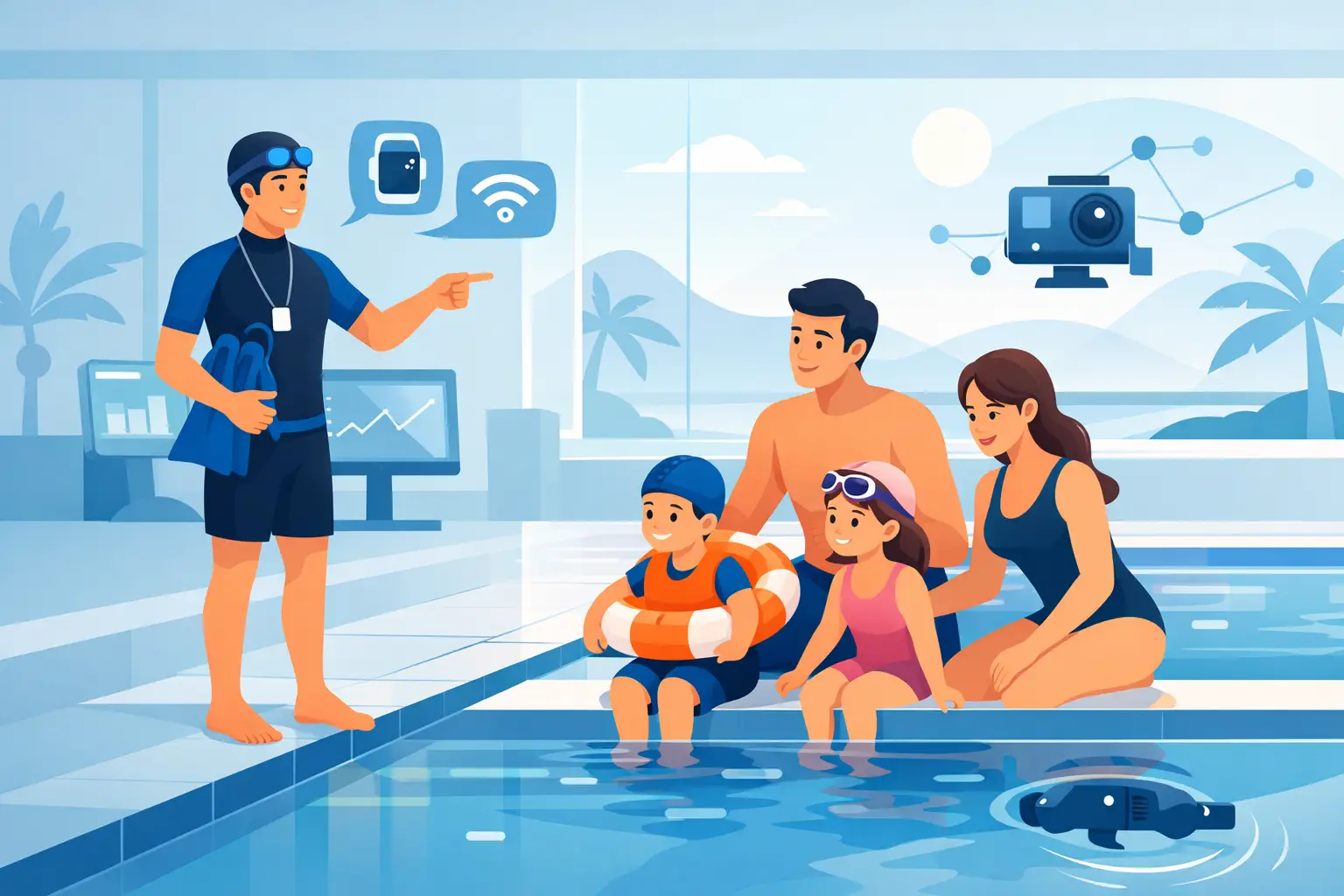
Before enrolling, ask how the program assesses starting ability and tracks development. Clear answers indicate a school that sees swimming as a progression rather than a one-size-fits-all activity. You should also understand class size, lesson format, the expected pathway, and how coaches support swimmers who need additional confidence or test preparation.
Location matters, particularly for busy families. A nearby public pool can make attendance more consistent, and consistency is one of the strongest predictors of progress. Still, convenience should not outweigh coaching quality, safety standards, and a structured curriculum. The ideal choice brings these factors together.
Experienced coaches also make a difference because they can recognize when a swimmer needs encouragement, correction, or a different approach. A nervous child may need smaller steps. A confident child may need reminders not to skip foundational technique. An adult may need direct, respectful feedback without feeling self-conscious. Effective coaching adapts while keeping the end goal clear.
Build Confidence One Skill at a Time
There is no single timeline for becoming a confident swimmer. Some children take to water quickly but need time to develop discipline and technique. Others begin cautiously, then make rapid gains once they trust the coach and understand the routine. Adults often progress in stages as they replace fear with familiarity.
The most rewarding results come from staying focused on the next skill, not comparing a swimmer to someone else in the lane. Attend regularly, practice safe habits, communicate goals early, and treat each milestone as evidence of real capability. With patient instruction and purposeful progression, the pool can become a place where children and adults gain confidence that reaches far beyond swimming.