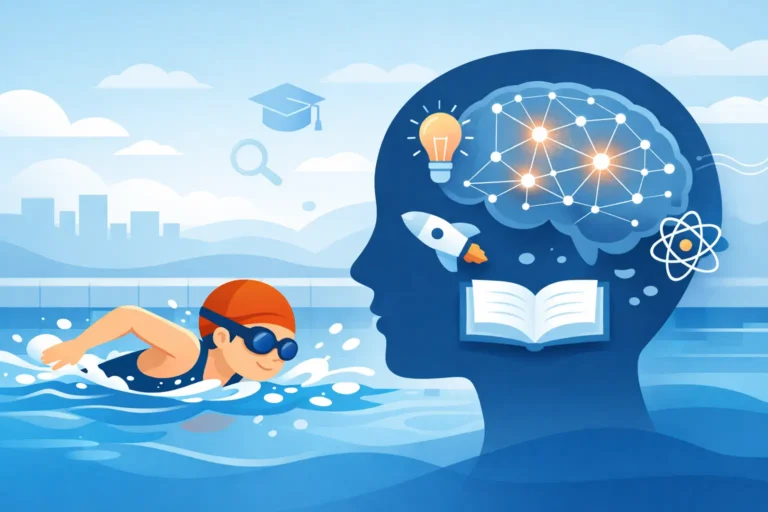
Still Cannot Swim After Learning? Why
Many learners say they still cannot swim after lesrning, and the frustration is real. You have attended lessons, spent time in the pool, and maybe even practiced a few drills, yet you still do not feel safe or independent in the water. In most cases, this does not mean you are a bad learner. It means something important in the learning process is missing.
Swimming is not just about moving your arms and legs. It is a survival skill built on breath control, body position, balance, confidence, and timing. If one of these areas is weak, the swimmer may look like they have learned something, but they still cannot travel smoothly or stay calm when unsupported.
Why you still cannot swim after learning
A common problem is learning skills in isolation without learning how to connect them. For example, a swimmer may practice kicking with a board, blowing bubbles, or basic arm action, but once the float is removed, everything falls apart. This happens because swimming requires coordination, not just individual movements.
Another reason is progressing too fast. Some learners are pushed toward full strokes before they are comfortable with floating, gliding, and breathing. This creates tension in the body. When the body is tense, the legs sink, breathing becomes rushed, and panic starts to take over.
For children, this often shows up as dependence on the coach, the wall, or flotation aids. For adults, it usually appears as fear of putting the face in the water, difficulty exhaling, or stopping halfway across the pool. The issue is not always effort. Often, it is foundation.
The skills that are usually missing
If you still cannot swim after learning, look closely at the basics. Breath control is one of the biggest barriers. Many non-swimmers hold their breath instead of exhaling steadily in the water. That single habit can disrupt rhythm and create stress within seconds.
Body position is another major factor. Good swimmers are not fighting the water. They are balanced on it. If the head is lifted too high or the core is not engaged, the hips and legs drop. Once that happens, every kick and pull becomes harder.
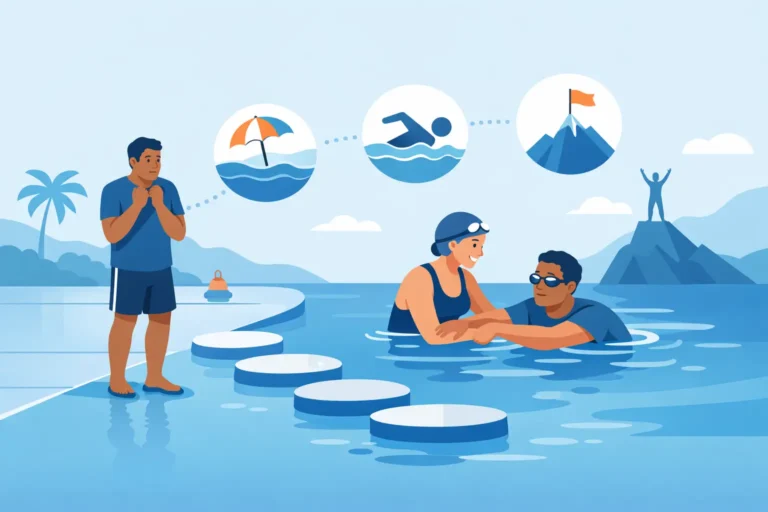
Then there is confidence. This is not just mental encouragement. Real water confidence comes from repeated success in controlled steps. A swimmer who can float, recover, kick forward, and breathe calmly will trust the water more than someone who is only told to relax.
Why some lessons do not lead to real swimming
Not all swim instruction is structured for measurable progression. Some programs focus heavily on activity, but not enough on skill transfer. A learner may spend weeks attending class without a clear benchmark for what has actually improved.
Effective swimming lessons should build from water confidence to survival ability, then toward stroke development and distance control. That progression matters. A swimmer who skips the survival stage may look fine in a shallow area but struggle badly when depth, fatigue, or anxiety increases.
This is especially important for parents choosing lessons for children. A child who enjoys the pool is not automatically swim-ready. Being able to splash, paddle briefly, or wear goggles comfortably is not the same as being water safe.
What to do if progress has stalled
The first step is to assess the learner honestly. Can they submerge comfortably? Can they float without support? Can they move forward while controlling breathing? Can they recover if they lose balance? These questions reveal more than whether they can copy a stroke.
The next step is to return to structured progression, not random practice. That may mean slowing down before moving forward. It is far better to rebuild breathing and body alignment now than to repeat poor habits for months.
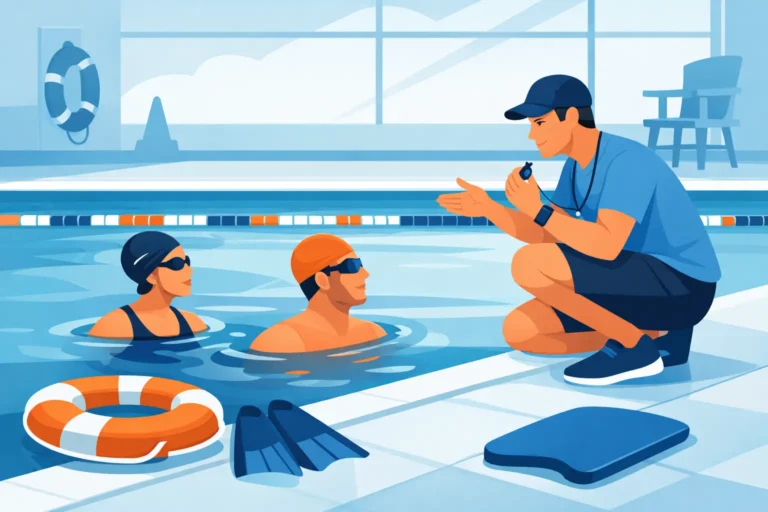
For some learners, private or small-group coaching helps because corrections are more immediate. Others do well in a consistent weekly program with clear stage goals. What matters is that each lesson has a purpose, and each skill prepares the swimmer for the next one.
At AQZOG, this is why structured coaching matters so much. Learners improve faster when lessons are organized around water safety, confidence, stroke readiness, and test progression rather than guesswork.
Signs a swimmer is finally on the right track
Progress in swimming is not always dramatic at first. It often starts with smaller signs. The swimmer becomes calmer when entering the water. Breathing gets smoother. Floating takes less effort. Kicking becomes more controlled. Distances that once felt impossible become manageable.
For children, you may notice better independence and less clinging. For adults, you may feel less panic and more control in deeper water. These are strong indicators that real swimming ability is developing.
If you or your child still cannot swim after learning, do not assume the situation is permanent. In most cases, the solution is not more repetition of the same struggle. It is better coaching, better structure, and a stronger focus on the fundamentals that make safe, confident swimming possible.