SwimSafer Theory Materials That Build Test Readiness
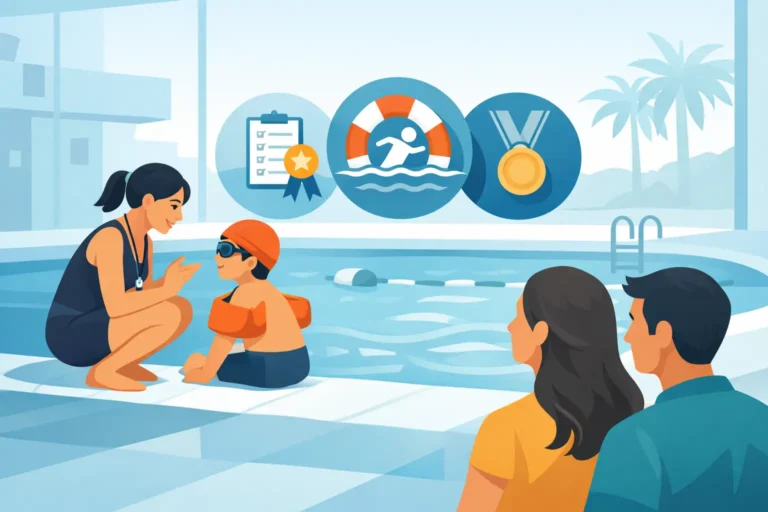
A child may be able to kick confidently, float on their back, and complete a basic swim sequence, yet still hesitate when asked what to do if a friend gets into trouble. That gap is exactly why SwimSafer theory materials matter. They give swimmers the language, judgment, and safety awareness to support the practical skills they demonstrate in the pool.
For parents, theory preparation can sometimes feel less urgent than getting another lap of practice. In reality, the two work together. SwimSafer is built around safer, more capable swimmers, not simply faster ones. When children understand why they should enter water carefully, recognize hazards, and choose a safe response in an emergency, their practical training becomes more meaningful and their assessment readiness becomes stronger.
What SwimSafer Theory Materials Teach
Theory materials are designed to help learners understand water safety concepts at an age-appropriate level. Depending on the swimmer’s stage and assessment requirements, they may cover personal safety, recognizing risks around water, safe entries and exits, survival priorities, and how to seek help without putting themselves in danger.
A good theory lesson does not ask children to memorize unfamiliar words without context. It connects each topic to situations they can picture: seeing someone struggling at the pool edge, being separated from an adult near water, or noticing that a wet deck can be slippery. This approach helps children make safer decisions beyond test day.
The strongest materials also reinforce a key lifesaving principle: a swimmer should not rush into a rescue situation without thinking. Calling for an adult, alerting a lifeguard, using an available aid, or reaching from a safe position may be the right response. The correct action depends on the environment and the swimmer’s ability. Teaching this distinction protects both the casualty and the helper.
Why Theory Supports Practical Swim Progression
SwimSafer assessments are associated with practical swimming performance, but water survival depends on more than technique. A child needs to understand the purpose behind skills such as floating, treading water, changing direction, and moving safely to an exit point.
For example, a back float is not only a test item. It can be a way to regain control, conserve energy, and breathe calmly when a swimmer feels tired. Treading water is not just about staying upright. It gives a swimmer time to assess surroundings, signal for attention, or decide where to move next. When these connections are explained clearly, children are more likely to remember and apply their training.
Theory preparation can also reduce assessment anxiety. Children often become nervous when they do not know what questions may be asked or why certain rules are in place. Familiarity with the concepts gives them a clearer sense of what they are working toward. Instead of viewing the assessment as a surprise, they can approach it as the next step in a structured progression.
This is particularly valuable for younger swimmers. A child who understands the routine, knows basic safety vocabulary, and has practiced answering simple questions is usually more settled during a test-focused lesson.
How Parents Can Use Theory Materials at Home
Home review should be short, calm, and consistent. Long revision sessions can make water safety feel like schoolwork rather than a practical life skill. Ten minutes after dinner, a conversation during the ride to the pool, or a quick review before a weekend lesson is often enough.
Ask open questions rather than only requesting a correct answer. For instance, instead of asking, “What should you do if someone is in trouble?” try, “You see someone splashing and calling for help. What would you look for first?” This encourages children to think about safety, distance, adult help, and the tools around them.
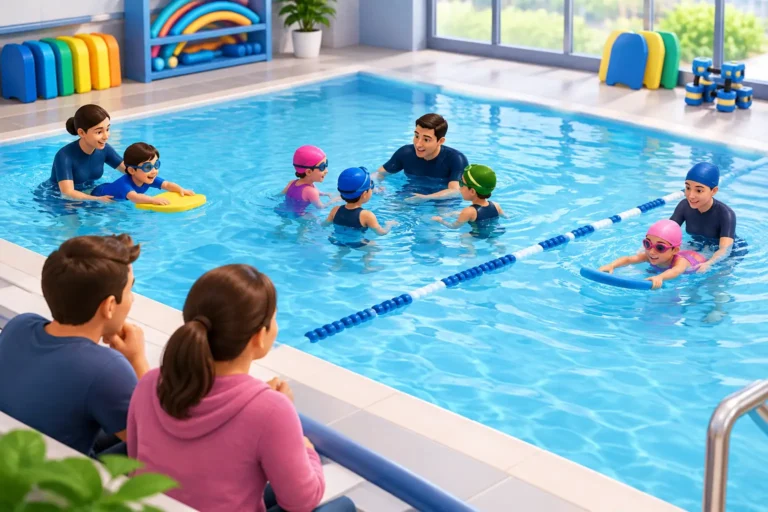
It also helps to connect theory to real pool routines. When arriving for class, ask your child to identify the lifeguard, point out where the pool edge is wet, or explain why they wait for coach instruction before entering. These small moments turn theory into a habit.
Parents should avoid coaching children to give rehearsed answers without understanding. A child may remember a phrase but become uncertain when the situation is described differently. Focus on the reason behind each action: stay calm, do not create another casualty, get qualified help, and use the safest option available.
Choosing Useful SwimSafer Theory Materials
Not every worksheet, online quiz, or parent-made revision sheet is equally helpful. Useful materials should match the swimmer’s current stage, use clear language, and support current assessment expectations. They should also be presented as preparation alongside coached pool practice, not as a substitute for it.
Look for materials that include realistic scenarios and visual prompts, especially for younger children. Images of poolside hazards, safe rescue aids, and appropriate behavior can be easier to understand than lengthy written explanations. Older children may benefit from short scenario questions that ask them to explain their decision-making.
The best preparation also leaves room for correction. If a child gives an unsafe answer, that is a valuable learning moment. The goal is not to rush through a set of questions. It is to identify misunderstandings early, explain the safer choice, and allow the swimmer to practice that thinking again.
At AQZOG, theory preparation is approached as part of the wider SwimSafer progression pathway. Coaches relate safety concepts directly to the skills swimmers are building in class, from water confidence and personal survival to more advanced test readiness. This keeps training focused on measurable progress while preserving the larger purpose of swimming education: helping learners respond safely around water.
Common Gaps Before a SwimSafer Assessment
A frequent gap is assuming that a confident swimmer automatically understands water safety. Confidence is valuable, but it can sometimes lead children to overestimate what they can do. Theory discussions help them recognize when they need an adult, a flotation aid, or a safer route out of the water.
Another issue is leaving theory review until the final week. Children generally retain safety concepts better when they hear, discuss, and apply them across several lessons. Early preparation also gives coaches and parents time to address areas that need more attention.
Some families focus only on question-and-answer practice. This can be useful near assessment day, but it should not be the entire method. A child who has practiced safe entries, followed pool rules, and discussed real scenarios with a coach is building knowledge that is more likely to stay with them.
Finally, remember that requirements and formats can vary by stage and assessment setting. Parents should use materials that are appropriate to their child’s level and follow guidance from the instructor conducting the preparation. A swimmer working toward an early stage needs clear, simple safety habits. A more advanced learner may need stronger judgment about survival, rescue awareness, and responsible decision-making.
Building Knowledge That Lasts Beyond the Certificate
A SwimSafer certificate is an important achievement, but the lasting value lies in what the swimmer carries into everyday life. Children visit public pools, take school outings, join water activities, and may one day swim with friends without a parent immediately beside them. The safety choices they make in those moments matter.
Well-used theory materials give children a practical framework: pause, observe, stay safe, get help, and use the skills they have been taught. Combined with regular coached practice, this knowledge builds swimmers who are not only ready to meet an assessment standard, but also better prepared to respect water for the rest of their lives.