How to Choose a SwimSafer Class for Your Child
A child may happily splash in the shallow end yet freeze when asked to float without support. Another may swim a short distance but lack the calm, controlled skills needed for water survival. That difference matters when parents are deciding how to choose a SwimSafer class. The right class is not simply the nearest time slot or the fastest route to a certificate. It is a structured starting point that matches your child’s current ability and builds the confidence, safety habits, and practical skills required for real progress.
In Singapore, SwimSafer is designed to develop more than swimming strokes. It assesses water safety knowledge, survival skills, and the ability to respond sensibly in and around water. Choosing well from the beginning helps your child learn at an appropriate pace and arrive at assessment day genuinely prepared.
How to Choose a SwimSafer Class by Starting With the Right Goal
Before comparing class schedules, decide what your child needs most right now. A first-time learner needs comfort in the water, breathing control, floating, and basic movement. A child who already swims may need more focused work on a specific SwimSafer stage, survival sequences, or assessment standards. These are different starting points, and placing both children in the same type of lesson can slow progress.
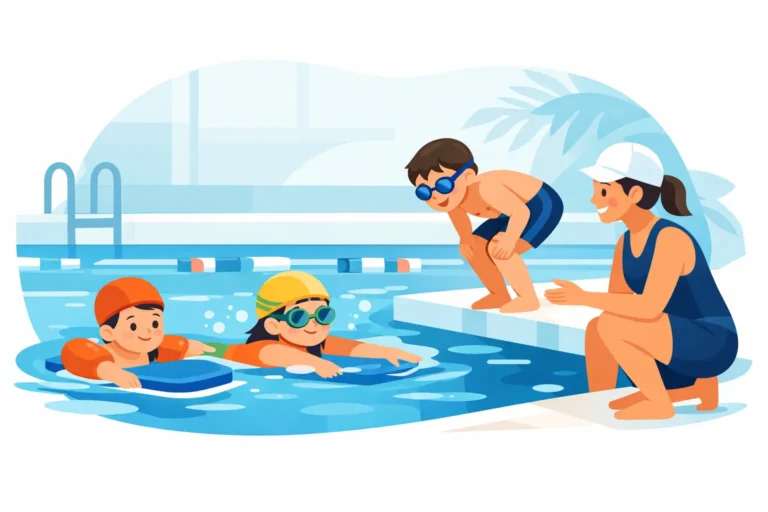
For younger children, the first goal is usually water confidence with safe habits. They should learn to enter and exit the pool correctly, put their face in the water without panic, recover from a float, and listen to safety instructions. For school-age children, parents may be looking for stage progression and certification readiness. Both goals are valid, but the program should state clearly how it supports them.
Avoid choosing a class based only on the stage your child’s friends are taking. SwimSafer progression should reflect demonstrated ability, not social comparison. A child who has a strong foundation often advances more confidently than one rushed into skills they are not yet ready to perform independently.
Age matters, but ability matters more
Age gives a coach useful context, especially for attention span, confidence, and coordination. It should not be the only placement factor. Two seven-year-olds can have very different experiences in water. One may be ready to practice more advanced stroke coordination, while the other may need time to overcome anxiety and establish a reliable float.
A quality program uses a practical assessment or trial observation before recommending a class. This allows the coach to see how your child enters the water, responds to instructions, breathes, floats, kicks, and travels through the pool. It also identifies habits that may require correction before stage training begins.
Ask whether placement is based on age, prior certificates, a skills check, or all three. Previous certification is helpful, but a current observation is often more accurate, particularly if your child has taken a long break from lessons.
Look for Structured Coaching, Not Random Practice
A SwimSafer class should have a clear lesson pathway. Children need repeated practice, but repetition without coaching can reinforce poor technique or unsafe responses. The best instruction breaks complex skills into manageable steps, gives direct correction, and returns to key survival skills regularly rather than treating them as a one-time lesson.
Look for a coach who can explain what a child is learning and why it matters. For example, floating is not just a beginner exercise. It supports recovery and calm decision-making if a swimmer becomes tired. Safe entry, treading water, and moving to a point of safety are not extras around stroke training. They are central water survival capabilities.
Class size also affects results. Group classes give children opportunities to learn routines, observe peers, and build independence. However, a class that is too large can mean less individual feedback and fewer practice turns. Private or semi-private coaching can be a better fit for children with water fear, a specific technical issue, a tight assessment timeline, or a need for concentrated attention.
There is a trade-off. Private lessons may accelerate individual correction, while weekly group lessons can build consistency and comfort through routine. The right choice depends on the child’s needs, family schedule, and desired pace of progress.
Check the coach’s SwimSafer knowledge
Not every swimming lesson is equally aligned with SwimSafer assessment expectations. General swimming ability is valuable, but test preparation requires familiarity with the skills, sequences, water safety knowledge, and performance standards associated with each stage.
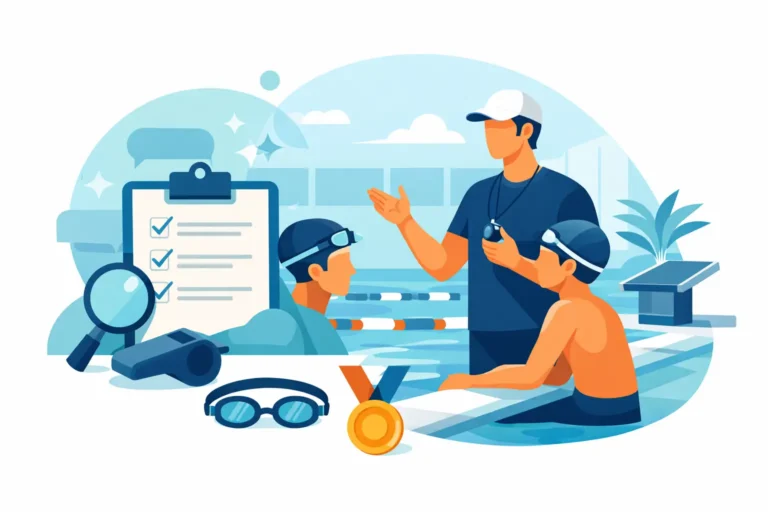
Ask how the coach tracks progression. A strong program should be able to identify what your child has achieved, what still needs work, and whether the child is ready to move forward. Parents should not have to guess whether a child is improving. Clear feedback after lessons or at regular review points provides reassurance and allows families to support practice habits at home and at the pool.
Experienced SwimSafer coaches also know when not to rush. A child may complete a skill once but still need practice to perform it consistently, calmly, and without prompts. Readiness is about reliability, not one good attempt.
How to Choose a SwimSafer Class That Supports Test Readiness
If certification is one of your goals, ask specifically how the class prepares children for assessment. A regular class may teach relevant skills, but a test-ready program should also help children understand how to perform them in sequence and under assessment conditions.
Preparation should include practical skill work and theory awareness. Children need to understand water safety rules, recognize hazards, and know why safe decisions matter. During practical practice, they should become familiar with following instructions, completing required tasks independently where appropriate, and maintaining composure when a sequence feels challenging.
Mock practical tests can be particularly useful for children who know the skills but become nervous in formal settings. A mock session reveals whether a child can remember instructions, manage transitions, and complete tasks without relying heavily on coach prompts. It also gives parents a more realistic picture of readiness before the official assessment.
Be cautious of any provider that implies a certificate is automatic. A responsible school prepares children thoroughly, identifies gaps honestly, and recommends more practice when needed. The goal is not merely to pass a test. It is to ensure the child carries safe, dependable skills into future swimming, school activities, and family outings.
Choose a Format Your Family Can Maintain
The most effective class is one your child can attend consistently. Weekly lessons allow time for skills to settle and develop over months. They are often the best choice for long-term confidence building and steady SwimSafer progression. A consistent routine also helps children who need time to feel secure with a coach and pool environment.
Holiday intensive programs can accelerate improvement because children practice more frequently over a shorter period. They work well for learners who already have a foundation, children preparing for an upcoming assessment, or families who want focused progress during school breaks. But an intensive course is not always the right answer for a child with significant water fear. That learner may benefit more from a slower, predictable schedule with time to build trust.
Location matters for the same reason. A convenient public pool makes it easier to arrive on time, avoid missed lessons, and maintain momentum. When comparing programs, consider travel time, lesson duration, changing arrangements, and whether the timing works with school and family commitments. A good plan on paper will not produce results if attendance becomes irregular.
Questions to Ask Before Enrollment
A brief conversation with the provider should give you confidence about the next step. Ask these practical questions before committing:
- How do you assess my child’s current ability and recommend the right SwimSafer stage?
- What water survival and safety skills are included alongside stroke development?
- How many children are in each class, and how does the coach give individual feedback?
- How do you track progress and advise parents about assessment readiness?
- Are mock practical tests, theory preparation, private coaching, or holiday intensives available if my child needs extra support?
The answers should be clear and specific. A provider should be able to describe the learning pathway, not just offer a general promise that children will improve.
Give Your Child a Confident Starting Point
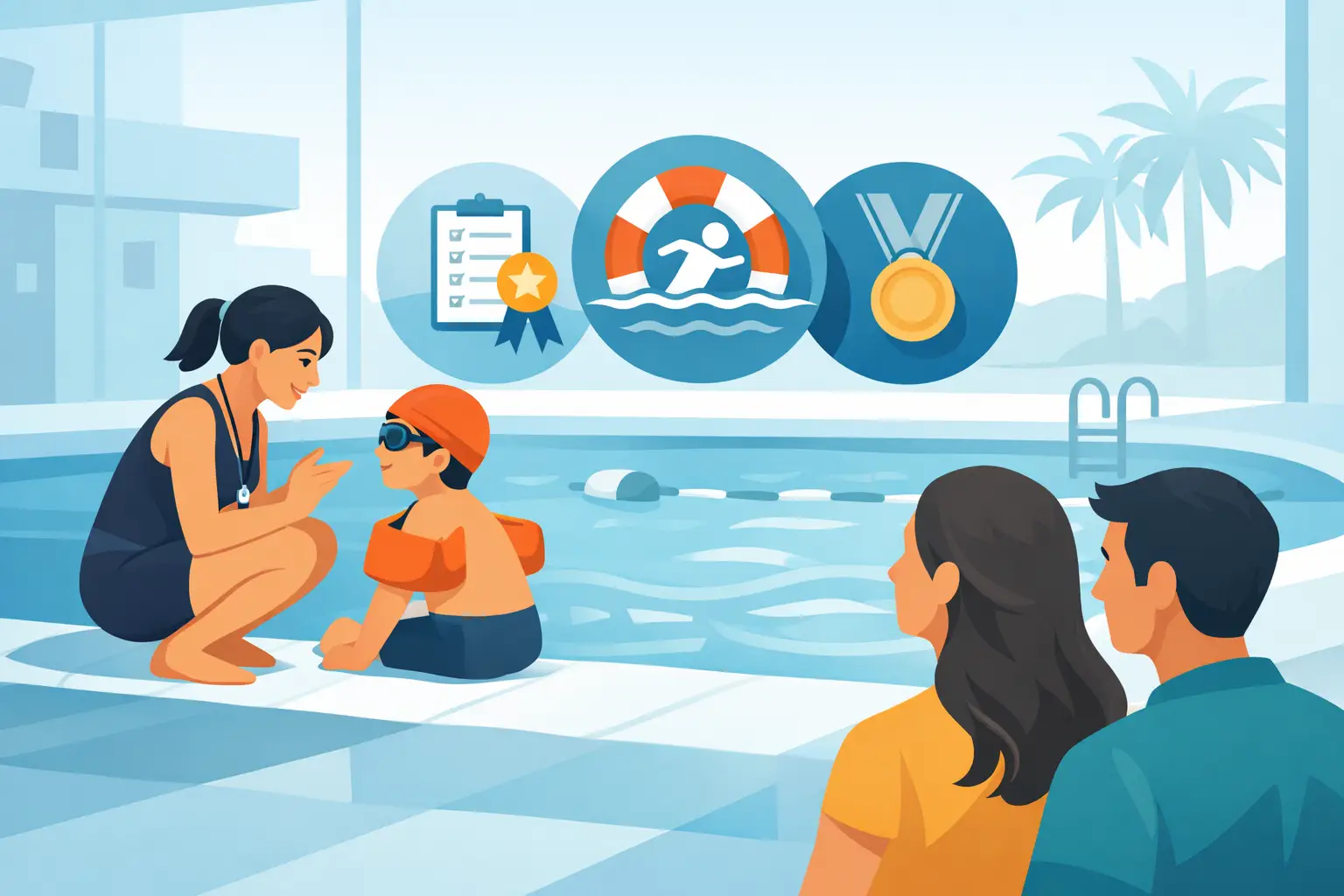
The right SwimSafer class meets your child where they are, then moves them forward with purpose. At AQZOG, structured instruction is built around water confidence, safety awareness, measurable skill development, and stage-appropriate preparation. Whether your child is entering the pool for the first time or working toward the next certification milestone, progress should feel supported rather than pressured.
Choose a class that values calm, consistent improvement. When a child learns that they can float, recover, listen, think, and move safely in water, the certificate becomes more meaningful because it represents a skill they can truly use.