Why Playing Flippa Ball Is Good for Water Polo
A child who can swim well may still freeze when a ball arrives, teammates call for a pass, and the game changes direction in seconds. That is why playing Flippa Ball is good for water polo: it gives young swimmers a structured, lower-pressure way to develop the movement, judgment, and confidence that water polo demands.
For families, the value is not simply that children have fun in the pool. A well-coached Flippa Ball session strengthens water confidence while teaching players how to think, communicate, and stay safe during active aquatic play. It can be an excellent next step for swimmers who are comfortable in deep water and ready to apply their skills in a team setting.
What Is Flippa Ball?
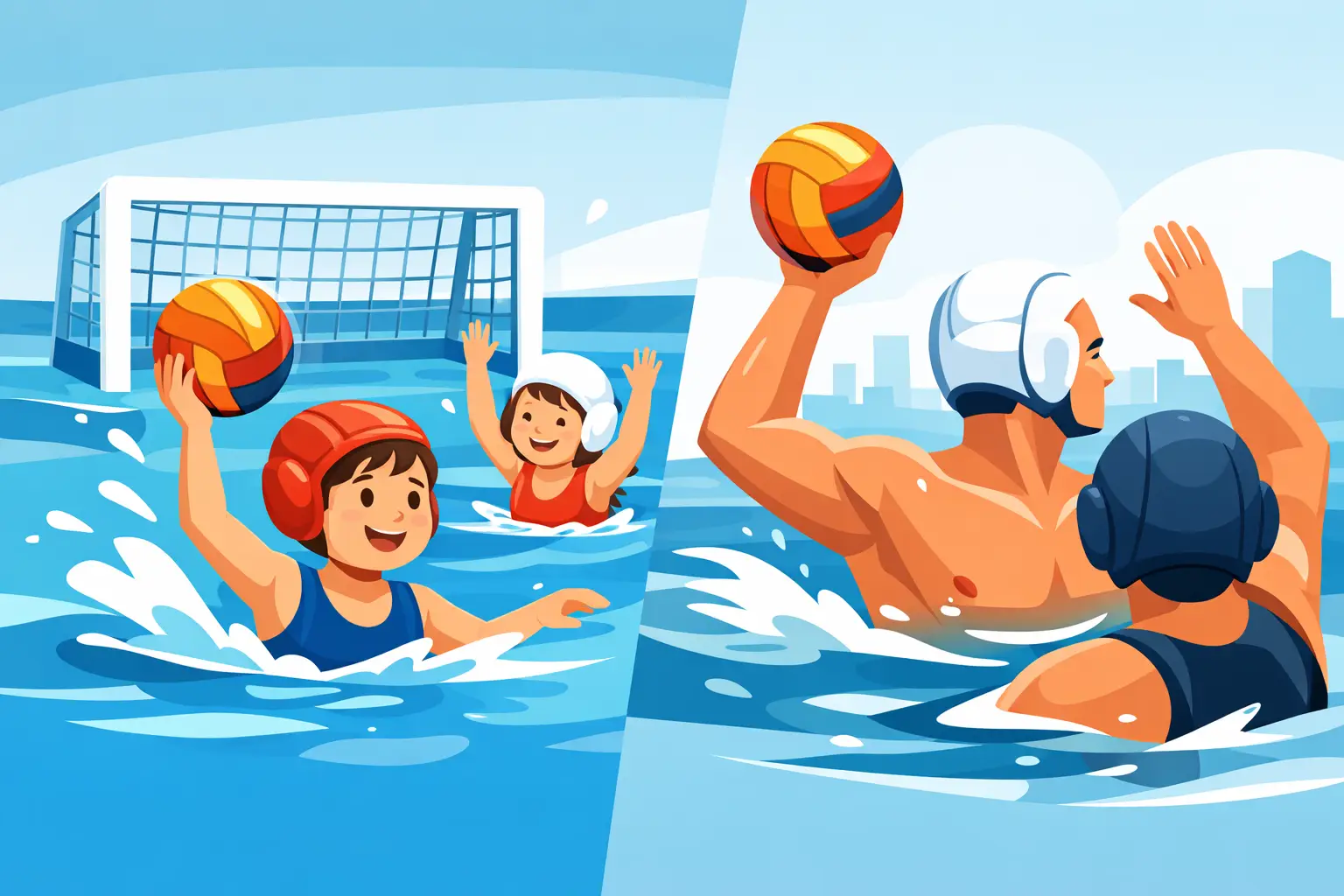
Flippa Ball is a modified, age-appropriate water polo game. Exact rules can vary by program, age group, and pool, but the purpose stays consistent: introduce children to water polo through simplified play, smaller teams, clear boundaries, and coaching that supports learning.
Rather than expecting a beginner to understand full water polo tactics immediately, Flippa Ball breaks the sport into manageable decisions. Players practice moving through the water, receiving and passing a ball, finding space, defending fairly, and working toward a goal. The game may look lively from the pool deck, but every activity can support a specific progression goal.
A child does not need to be a competitive athlete to benefit. They do, however, need enough water confidence to participate safely. Coaches should assess comfort in deeper water, the ability to follow instructions, and the child’s readiness to remain engaged in a moving group activity.
Why Playing Flippa Ball Is Good for Water Polo Development
Water polo is not just swimming with a ball. Players must maintain position without touching the bottom, react to others, use both hands effectively, and make calm decisions while tired. Flippa Ball introduces these demands in a format children can understand and enjoy.
It builds purposeful water movement
In regular swim lessons, swimmers learn essential techniques such as breathing control, body position, kicking, and efficient strokes. Flippa Ball gives those skills a practical purpose. A player may sprint to open space, change direction to mark an opponent, or tread water while waiting for a pass.
This type of movement develops aquatic agility. Children learn that swimming in a game is not always a straight line from one end of the pool to the other. They must turn their heads, scan their surroundings, stop, restart, and maintain control of their body in busy water.
The benefit is especially clear for swimmers who have strong basic strokes but need more confidence in unstructured movement. Game-based practice helps them become more adaptable rather than relying only on rehearsed laps.
It improves treading and vertical body control
A reliable water polo player needs to stay high and balanced in the water. Flippa Ball naturally encourages this because players often need to hold their position while catching, passing, blocking, or watching the play develop.
Over time, children begin to understand the connection between their kick and their upper-body control. They cannot make an accurate pass if they are sinking, twisting, or panicking. Coaches can use short, progressive activities to reinforce upright body position, efficient sculling, and safe treading technique.
There is a trade-off here. Games alone should not replace technique instruction. A child with weak treading fundamentals may reinforce inefficient habits when focused only on the ball. The best programs combine targeted skill drills with small-sided play, so movement quality improves alongside enjoyment.
It develops ball handling without overwhelming beginners
Catching and passing in water is different from handling a ball on land. The player must control the ball while floating, judge distance through splashing water, and coordinate their hands without losing their position.
Flippa Ball gives children repeated, meaningful opportunities to practice these skills. A short pass to a nearby teammate can build accuracy. A moving pass teaches timing. A missed catch becomes a chance to recover calmly and continue play rather than a reason to stop.
For beginners, the goal should be confidence before power. Throwing hard is not useful if the player cannot spot a teammate, keep control of their body, or release the ball safely. Good coaching rewards clear decisions and correct technique, not just goals scored.
It teaches awareness and decision-making
One of the strongest reasons Flippa Ball supports water polo progression is that it teaches children to see the whole pool. They learn to identify teammates, opponents, open lanes, goal positions, and safe passing options.
This awareness cannot be built fully through individual drills. A player must experience the pressure of someone defending them, the urgency of a teammate calling for the ball, and the need to change a plan when a passing lane closes. Small-sided games are particularly useful because every child has more touches and more decisions than they might in a large group.
These are transferable life skills as well. Children learn to listen, respond, stay composed after mistakes, and make choices under supervision. In an aquatic setting, that calm awareness supports safer behavior.
It strengthens teamwork and communication
Water polo is a team sport, and Flippa Ball helps children understand that success is rarely about one strong swimmer carrying the game. Players have to call for the ball, support a teammate, defend space, and recover together after a turnover.
For some children, this is the first time their swimming skills are used in a cooperative setting. That can be powerful. A child who is quiet during lessons may become more confident when they realize their pass creates a scoring chance. Another child may learn that communication is not shouting randomly, but using clear, respectful cues at the right time.
Coaches should set expectations early. Safe play, respect for others, and following rules matter more than winning a short practice game. This creates an environment where children can be competitive without becoming reckless.
Safety Comes Before Game Play
Parents should view Flippa Ball as part of an aquatic progression, not a shortcut around foundational swimming instruction. Before joining, children should be able to follow pool rules, remain calm in water, and demonstrate the level of swimming and treading required by the program.
The right readiness level depends on the pool depth, coach-to-student ratio, rules, and age of the players. Younger or less confident swimmers may begin with shallow-water activities, shorter rounds, flotation support where appropriate, or ball drills that focus on movement and control before full game situations.
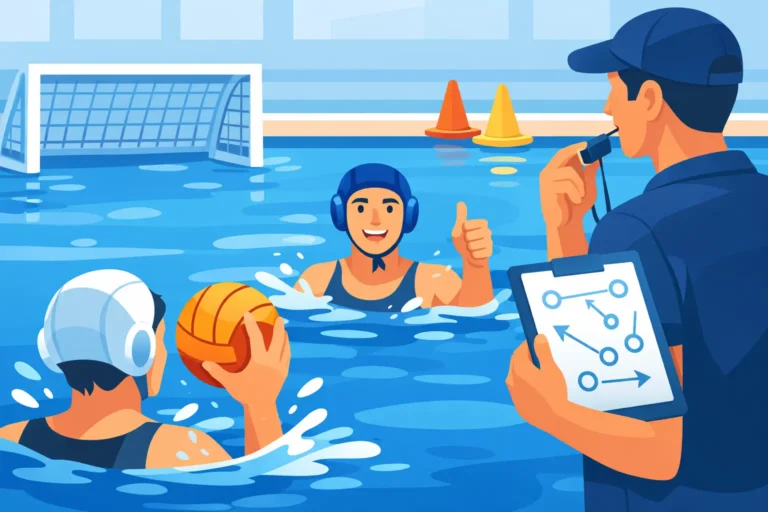
Qualified supervision matters. Coaches need to manage spacing, fatigue, contact, and individual confidence levels while still keeping the activity purposeful. They should also teach players to avoid unsafe behaviors such as pushing, grabbing, swimming directly into others, or throwing the ball when someone is unprepared.
At AQZOG, structured progression remains the priority. A child’s water safety and technical foundation should guide the next step, whether that is continued swimming instruction, treading practice, water polo preparation, or an age-appropriate game environment.
How Parents Can Tell if Their Child Is Ready
Readiness is not measured only by age or enthusiasm. A child may love the idea of a ball game but still need more time building deep-water confidence. Conversely, a steady swimmer who enjoys group activities may be ready to try introductory Flippa Ball sooner than expected.
Look for a child who can move independently in the pool, recover calmly after putting their face in the water, listen while excited, and continue trying after a missed pass or lost point. They should also be comfortable sharing space with others. These qualities make the experience safer and more rewarding.
If a child is nervous, start with a gradual approach. Practice treading, passing from a stable position, and short swims toward a target. Confidence grows faster when the challenge is achievable. Pushing a fearful swimmer into a fast game can create frustration, while an appropriate first experience can motivate them to train with greater purpose.
A Strong Next Step for Confident Swimmers
Flippa Ball gives water polo beginners something valuable: a reason to use their swimming skills in real time. They learn that a strong kick supports a pass, a calm head position helps them find teammates, and good communication can change a game.
For children who are ready, the next pool session can be more than another set of laps. It can be a supervised opportunity to move with purpose, support a teammate, and discover what confident water skills can do.