Water Polo Attire for Safe, Confident Play
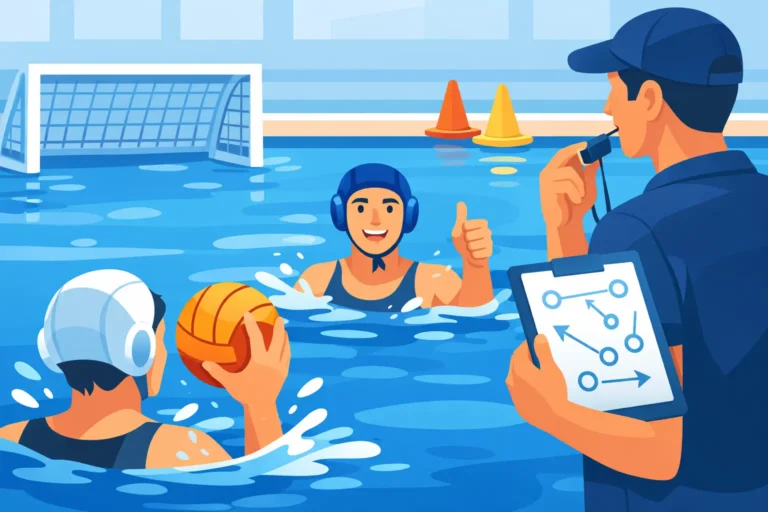
A water polo player cannot stop to adjust a loose strap, clear a fogged lens, or search for a cap that has slipped off. The game moves quickly, involves close contact, and demands constant swimming, treading, turning, and passing. The right water polo attire helps players stay focused on skill execution, team play, and safe movement in the water.
For parents, especially those introducing a child to a new aquatic sport, the goal is not to buy every piece of specialist equipment at once. Start with attire that fits securely, follows the team or league requirements, and allows the player to move confidently. As skills and competition commitments progress, gear choices can become more specific.
What Water Polo Attire Is Designed to Do
Water polo clothing has a different job from recreational swimwear. A swimsuit that is comfortable for casual pool play may shift, stretch, or create drag during a competitive drill. Water polo attire needs to remain secure through repeated kicking, vertical treading, sprint swimming, physical marking, and contact around the ball.
A good setup supports three practical outcomes: unrestricted movement, reduced distractions, and clear player identification. It should also be durable enough for frequent exposure to chlorinated water. Players who train several times a week quickly learn that thin fashion swimwear, loose board shorts, and poorly fitted caps do not hold up well.
Exact rules vary by age group, school, club, event organizer, and governing body. Before purchasing a competition suit or cap, confirm the required colors, logo rules, number placement, and any restrictions with the coach or team manager. This prevents a last-minute issue on game day.
The Essential Water Polo Uniform
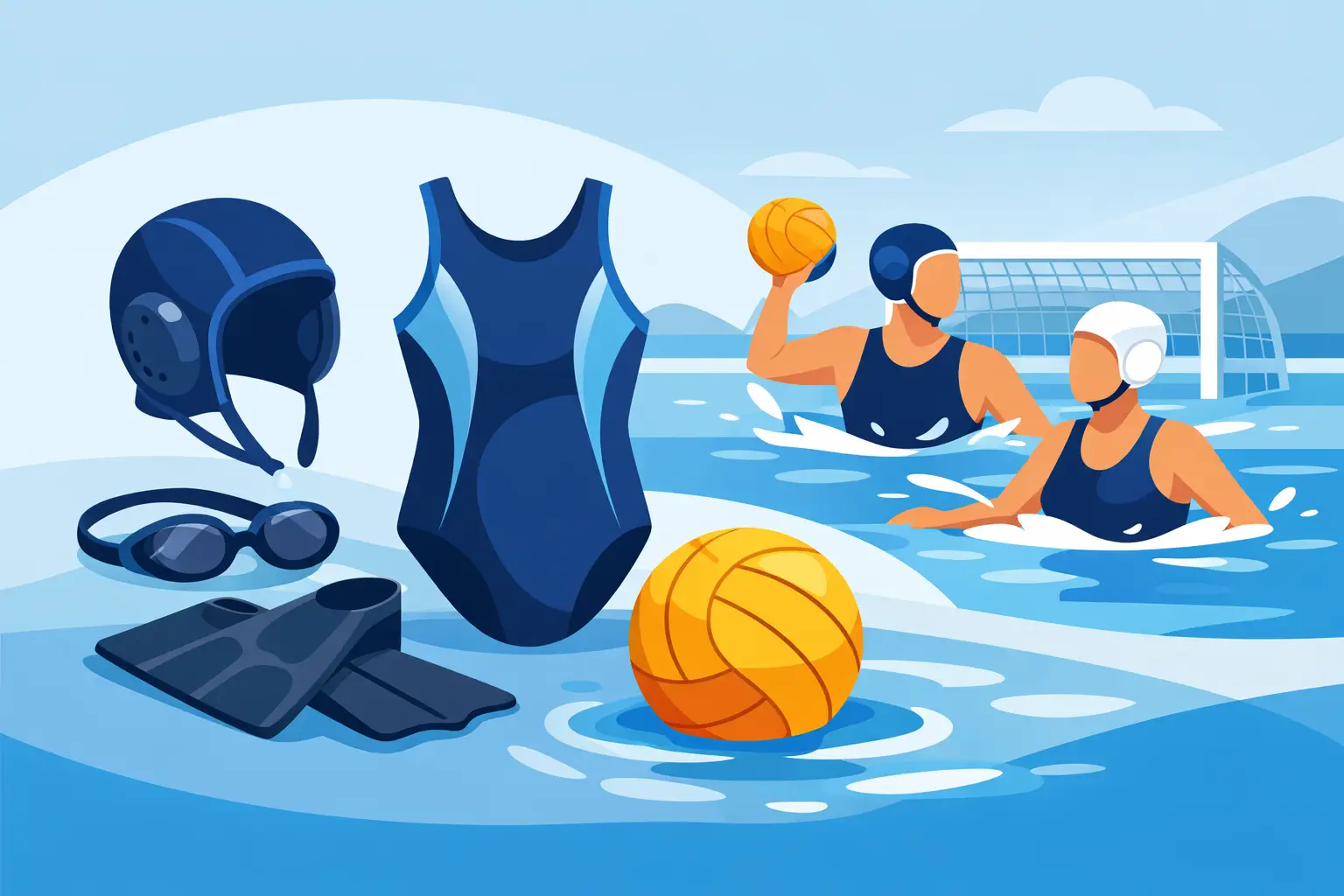
Most players need a close-fitting suit, a water polo cap with ear protection, and simple poolside clothing for before and after training. Competition teams may provide or require specific caps and suits, while practice attire is often more flexible.
A secure swimsuit
For girls and women, a one-piece competitive swimsuit is the standard choice. Look for a suit with wide, stable straps; a higher neckline; full enough coverage; and a firm fit through the torso. Water polo suits are often made with more durable fabric and a more secure back design than a typical training suit because opponents may grab at the water around a player during close play.
For boys and men, briefs are common because they stay close to the body and do not trap water. Some programs allow jammers for training, particularly for younger or newer players, but they may be less practical in a contact-heavy match. Loose trunks and board shorts are generally a poor choice: they create drag, can slip during hard kicking, and can be grabbed more easily.
Fit matters more than brand. A suit should feel snug when dry without restricting deep breaths, shoulder rotation, hip movement, or a strong eggbeater kick. If fabric wrinkles, gaps at the chest or waist, or shifts when the player raises both arms, it is unlikely to remain secure during play. On the other hand, a suit that causes pinching, leaves deep marks, or makes it hard to breathe is too small.
For young athletes, avoid buying several sizes up for “room to grow.” A slightly larger suit may seem economical, but a secure fit is part of safe, confident participation. Replace a suit when the fabric becomes thin, loose, faded, or rough from chlorine exposure.
Water polo caps with ear guards
The cap is a required piece of match equipment in most organized water polo settings. It identifies the team and player number, while the hard ear guards help protect the ears from accidental strikes by hands, elbows, or the ball.
A properly fitted cap sits low enough to cover the head without blocking vision. The ear guards should line up with the ears, and the chin tie should be secure but not painfully tight. Players should be able to speak, breathe, and turn their heads naturally. A dangling tie can be uncomfortable and distracting, while an overly tight knot can cause headaches during a long session.
Team caps are commonly supplied for games, so parents should ask before purchasing one. A player may still benefit from a personal practice cap if the program recommends it, but game caps must match the team’s approved colors and numbering.
Goggles: useful in practice, usually not in games
Goggles are familiar to swimmers, but water polo has different demands. They can be helpful for early swimming instruction, warm-ups, or certain individual drills when a coach allows them. During scrimmages and official games, goggles are commonly not permitted because they can break, cause injury in close contact, or create a risk if another player’s fingers catch the straps.
This transition can feel uncomfortable for beginners who are used to goggles. Build confidence gradually. Practice opening the eyes briefly underwater in a controlled setting, learn to orient toward the pool wall or coach, and follow the program’s progression. Players should not simply remove goggles for the first time in a high-pressure game.
Practice Attire and Game-Day Attire Are Not Always the Same
Training sessions are where players develop body position, ball control, passing mechanics, endurance, and water awareness. A durable practice suit and appropriate cap are usually enough. Depending on the session, a coach may also ask players to bring a water bottle, towel, sandals, and dry clothes.
Game day is more structured. Players may need an approved uniform suit, official team cap, a second suit in case of damage, and team clothing for arriving and leaving the pool. Parents should pack items the night before rather than rely on a rushed bag check after school.
A practical game-day bag should include:
- A secure competition swimsuit and a backup suit
- Team-issued cap or confirmation that caps will be supplied
- Towel, sandals, and dry undergarments or clothing
- Refillable water bottle and any coach-approved snack
- Hair ties for long hair and a waterproof bag for wet items
Jewelry, watches, sharp hair clips, and accessories that can scratch or catch another player should stay off the pool deck. Even when an item seems minor, close-contact sports make simple safety choices worthwhile.
Choosing Attire for Children and New Players
Children often judge a new sport by how comfortable they feel in the first few sessions. Attire can either support that confidence or become the reason a child worries about being seen, slipping, or getting water in the face. Parents can make the start easier by letting the child try on the suit at home, practice tying the cap, and understand that goggles may not be used during game situations.
For children with long hair, a simple, secure hairstyle is best. A low braid or ponytail that fits under the cap is often more manageable than bulky clips or decorative accessories. The player should be able to put on and remove the cap without prolonged assistance.
New players also need realistic expectations. Water polo is not just swimming while holding a ball. It requires treading water, controlling space, communicating, and staying composed when water is splashing around the face. The attire should remove unnecessary discomfort so coaching can focus on those core skills.
Care for Water Polo Gear So It Lasts
Chlorine, sunlight, and repeated stretching gradually wear down swim fabric and cap ties. Rinse suits and caps with fresh, cool water after every session. Do not leave wet gear sealed in a hot car or buried in a bag overnight, as this can cause odors and shorten the life of the material.
Allow equipment to air-dry away from direct heat. Avoid harsh detergent, fabric softener, and rough surfaces that can damage the fibers. Having two training suits is often a sensible investment for players who attend multiple sessions each week: one can dry fully while the other is ready for the next practice.
Check cap ties, ear guards, seams, and suit elasticity regularly. A small issue caught before a tournament is far easier to manage than a broken tie moments before warm-up.
Let the Gear Support the Player, Not Distract From Progress
Water polo rewards preparation. The player who arrives in a secure suit, properly fitted cap, and organized pool bag can spend more energy learning to pass accurately, tread longer, defend safely, and contribute to the team. For young athletes, that preparation also builds independence and confidence around the pool.
Start with the requirements set by the coach, prioritize fit and safety over appearance, and replace worn gear before it affects performance. The best water polo attire is the kind a player barely notices once the whistle blows.