How Much Do Children’s Swimming Lessons Cost?
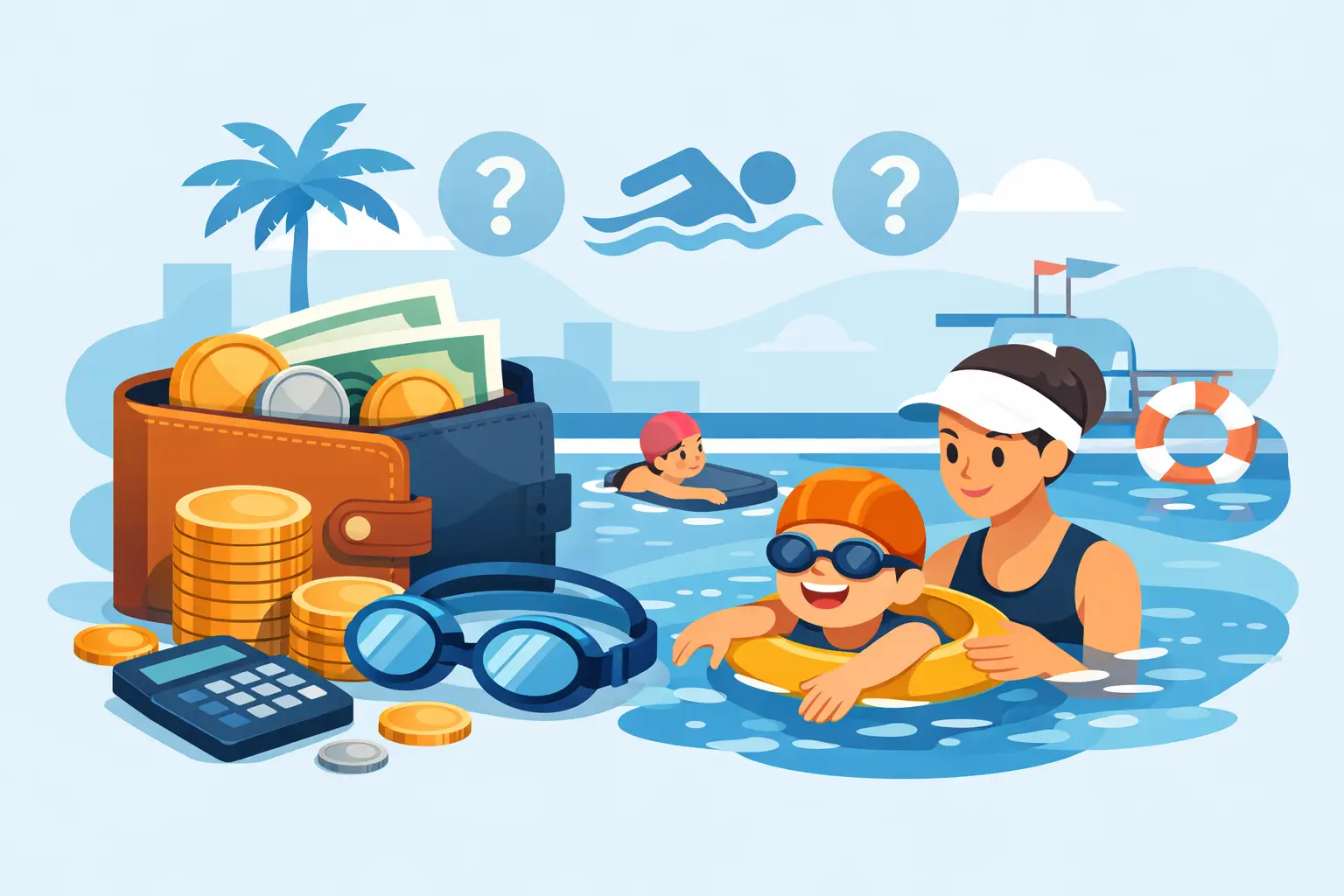
The first question most parents ask is simple: how much do children’s swimming lessons cost? The honest answer is that pricing can vary a lot, because you are not only paying for pool time. You are paying for coaching quality, class structure, safety standards, and how quickly your child is likely to progress.
For families comparing options, that difference matters. A lower monthly fee can look attractive at first, but if classes are overcrowded, loosely structured, or inconsistent, progress may stall. On the other hand, a well-run program with clear skill benchmarks, strong safety teaching, and experienced instructors often delivers better value over time.
How much do children’s swimming lessons cost on average?
In most markets, children’s swimming lessons are typically priced by lesson format rather than by age alone. Group classes are usually the most affordable option, while private coaching sits at the premium end. Semi-private lessons fall somewhere in the middle.
A standard weekly group program often costs between $80 and $200 per month, depending on class size, location, and lesson duration. Private lessons commonly range from $40 to $100 or more per session. If a program is tied to formal progression, test preparation, or accelerated learning outcomes, the fee may be higher because the instruction is more targeted.
For parents, the key question is not only what the monthly number is. It is what that fee includes. Some programs cover skill assessments, structured progression, and instructor continuity. Others charge separately for registration, assessments, certificates, makeup classes, or holiday intensives.
What affects the cost of children’s swimming lessons?
The biggest driver is lesson format. Group classes spread coaching costs across several students, which keeps pricing lower. Private lessons give your child full instructor attention, which increases the price but can also accelerate results, especially for beginners, nervous swimmers, or children preparing for a swim test.
Coach experience also plays a role. Instructors with strong teaching backgrounds, water safety knowledge, and experience in structured certification systems often charge more. That premium can be worthwhile when your goal is not just pool familiarity, but measurable skill development and water survival competence.
Location matters too. Lessons held at convenient, established public pool venues can be priced differently from sessions at private facilities or condo pools. Travel, facility access, and scheduling demand all influence the final fee.
Program design is another factor that parents sometimes miss. A lesson built around casual play will usually be priced differently from one built around stage-based progression, stroke development, and readiness for formal assessments. If the program includes a clear path from beginner confidence to independent swimming and test completion, you are paying for a more complete educational framework.
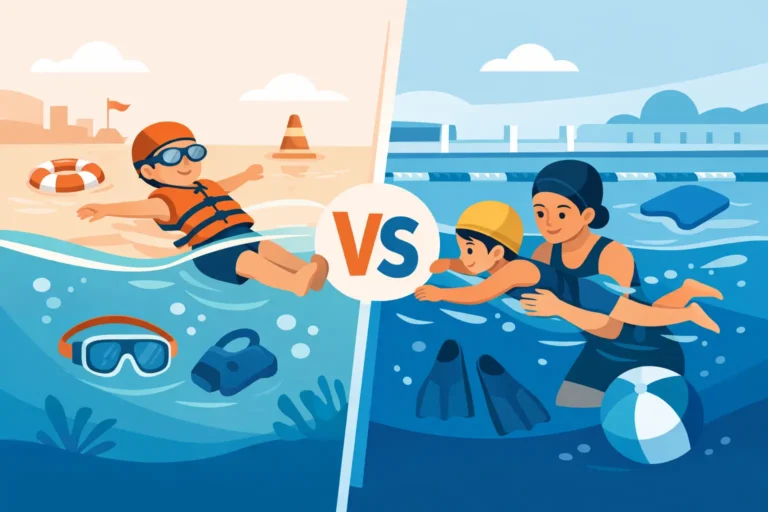
Group, semi-private, and private lessons
When parents ask how much do children’s swimming lessons cost, they are often really asking which format makes financial sense.
Group lessons are usually the best fit for families who want a steady, affordable weekly routine. They work well for children who can learn in a shared environment and benefit from observing peers. The trade-off is that each child gets less individual correction during the class.
Semi-private lessons are a strong middle ground. With two or a small number of swimmers, the instructor can provide more direct feedback while still keeping the fee lower than a one-to-one lesson. This option often suits siblings or friends of similar ability.
Private lessons cost more, but they can be the most efficient route in certain cases. A child with water fear, weak confidence, delayed progress, or a short timeline before a required swim assessment may improve faster with personalized coaching. The higher session fee can sometimes be balanced by needing fewer lessons to reach a target.
Why cheaper is not always better
Swimming is not like signing up for a casual hobby class where slower progress has little consequence. This is a life skill. A child who learns proper breathing, floating, safe entry and exit, and basic survival responses gains far more than stroke technique.
That is why price should be weighed against teaching quality. If a low-cost class has too many students, frequent instructor changes, or no clear teaching progression, your child may spend months attending without developing real independence in the water. Parents then end up paying again for extra lessons or private catch-up sessions.
A stronger program may cost more per month, but if it builds confidence, corrects technique early, and prepares the swimmer for structured benchmarks, the value is clearer. In swim education, efficiency and safety are part of the cost equation.
What should be included in the fee?
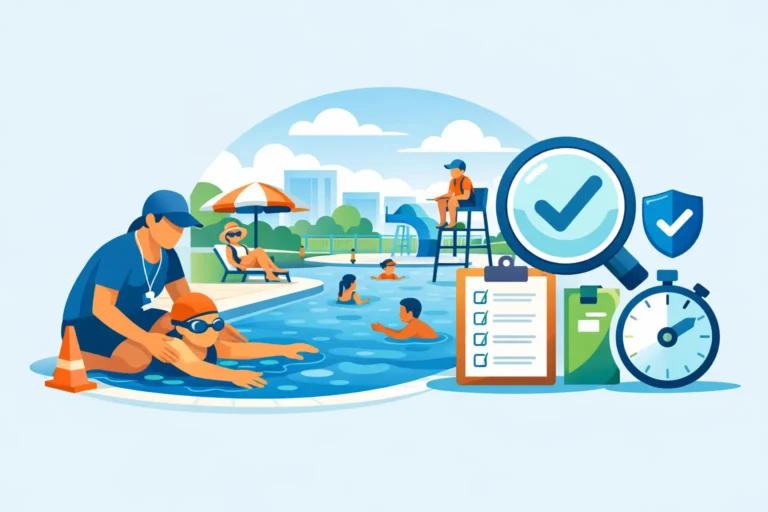
Before enrolling, ask exactly what the program covers. A transparent provider should be able to explain the class structure, student-to-coach ratio, progression model, and any additional charges.
Look for whether the fee includes regular weekly instruction, level-appropriate grouping, progress monitoring, and preparation for recognized swimming stages if relevant in your area. Some schools also offer assessment support, test-focused coaching, or holiday intensives as separate services rather than bundling them into the standard monthly rate.
This is where families can compare value more accurately. A program that appears cheaper upfront may not include the essentials that help children progress consistently.
Cost by age and ability level
Young toddlers and preschoolers may have lesson pricing that differs from school-age children, especially if the class format includes parent participation or extra water adjustment work. Early childhood swim lessons often focus on comfort, submersion confidence, safe movement, and listening skills rather than formal stroke development.
For older children, especially those moving through stage-based learning or test preparation, pricing may reflect a more technical curriculum. Lessons for beginners are not always cheaper than advanced classes. In fact, new swimmers sometimes need more direct supervision and slower pacing, which can increase the instructional demand.
Children preparing for skill assessments or certification milestones may also require mock tests, focused correction, or additional sessions. That can raise the overall cost, but it often shortens the path to passing.
How to judge value, not just price
A good swim program should show you how your child will move from one stage to the next. That means more than saying your child will become confident in water. It means there is a structured plan for breath control, floating, kicking, stroke basics, survival skills, and eventually stronger swimming independence.
You should also look at consistency. Are classes held regularly? Is the teaching method stable? Are instructors experienced with children of the same age and ability as yours? A reliable learning environment usually leads to better attendance, faster skill retention, and fewer setbacks.
Parents should also consider convenience. A slightly higher-priced class at a nearby pool with a schedule you can realistically maintain may provide better long-term value than a cheaper option that is difficult to attend consistently. In swimming, missed lessons slow progress quickly.
A practical way to budget for swim lessons
Instead of looking only at monthly fees, estimate cost over a six-month period. That gives you a more realistic view of what your child will need to build confidence and measurable skill. Add in registration fees, equipment, assessments, and any extra coaching if your child is working toward formal progression.
This longer view helps parents avoid a common mistake: choosing a low-cost option that needs frequent replacement. A stable, structured program often gives better continuity and reduces the need to keep switching providers.
For many families, the best choice is to start with weekly group lessons, then add short-term private coaching only if the child needs focused support. That approach keeps costs manageable while preserving quality instruction.
So, how much should you expect to pay?
For most families, a realistic expectation is that children’s swimming lessons will fall somewhere between budget-friendly group rates and premium private coaching rates, depending on the learning format and the seriousness of the program. If your goal is basic exposure, you may find lower-cost options. If your goal is water safety, strong foundational skills, and structured progression, expect to invest more.
That investment is usually worthwhile when the program is well organized, safety-led, and designed to produce visible results. Established swim schools such as AQZOG position lessons around progression, confidence building, and test readiness, which is often what parents are really looking for when they compare prices.
The right question is not simply what the lesson costs. It is what kind of swimmer your child is likely to become as a result. When a program builds real water confidence and dependable skills, the fee stops being just an expense and starts looking like one of the most practical investments a parent can make.