How to Teach Toddlers Pool Confidence
The first minute matters most. A toddler who stiffens at the pool edge, clings to a parent, or cries when water touches the face is not being difficult – that child is telling you the pace feels too fast. If you want to know how to teach toddlers pool confidence, the answer is not bigger encouragement or more force. It is a safer process, a calmer introduction, and steady repetition that helps a young child feel secure in the water.
For toddlers, confidence is not the same as excitement. Some children laugh and splash right away but still panic when their feet lose contact with the floor. Others look cautious on day one and become steady, capable learners because they are given time to trust the environment. Real pool confidence means a child can enter the water calmly, accept basic support, tolerate splashing, learn breath control, and begin moving with less fear. That progress comes from structure, not guesswork.
What pool confidence actually means for toddlers
Parents often picture confidence as swimming independently. For a toddler, that is too broad and often unrealistic at the beginning. A better goal is comfort with simple water experiences that lead to safe skill development.
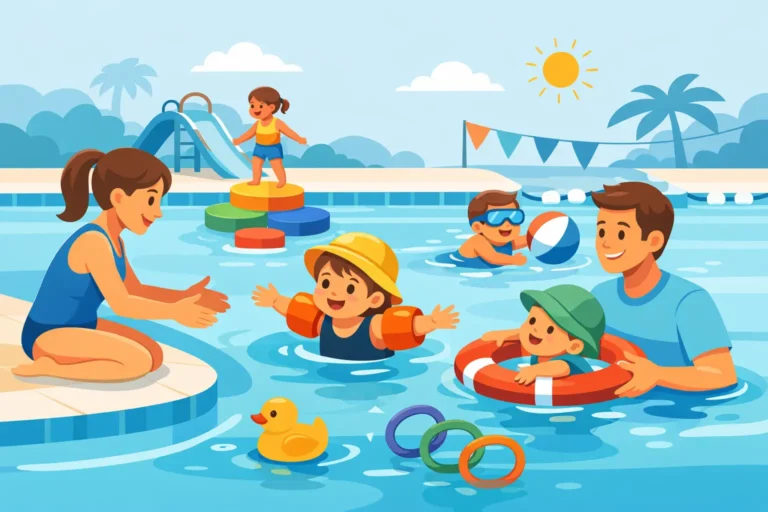
A confident toddler can walk into the pool without distress, hold a caregiver or coach without resisting, and recover quickly after small surprises like splashes or brief submersion practice. The child is learning that water is manageable, that support is consistent, and that each activity follows a predictable pattern. This is the foundation for floating, kicking, safe movement, and later survival skills.
That distinction matters because pushing for visible milestones too early can slow progress. A child who is rushed into unsupported floating or repeated dunking may comply for a moment and then become more fearful at the next lesson. In early swim learning, emotional safety supports physical learning.
How to teach toddlers pool confidence without creating fear
The most effective approach is gradual exposure with clear progression. Toddlers learn best when each step feels familiar enough to try and new enough to build skill. If the pool experience changes too quickly, confidence drops.
Start with entry rituals. Use the same sequence each time: sit on the edge, kick gently, wet hands, wet arms, then enter with support. Predictability lowers resistance. A toddler who knows what happens next is usually more cooperative than one who feels surprised.
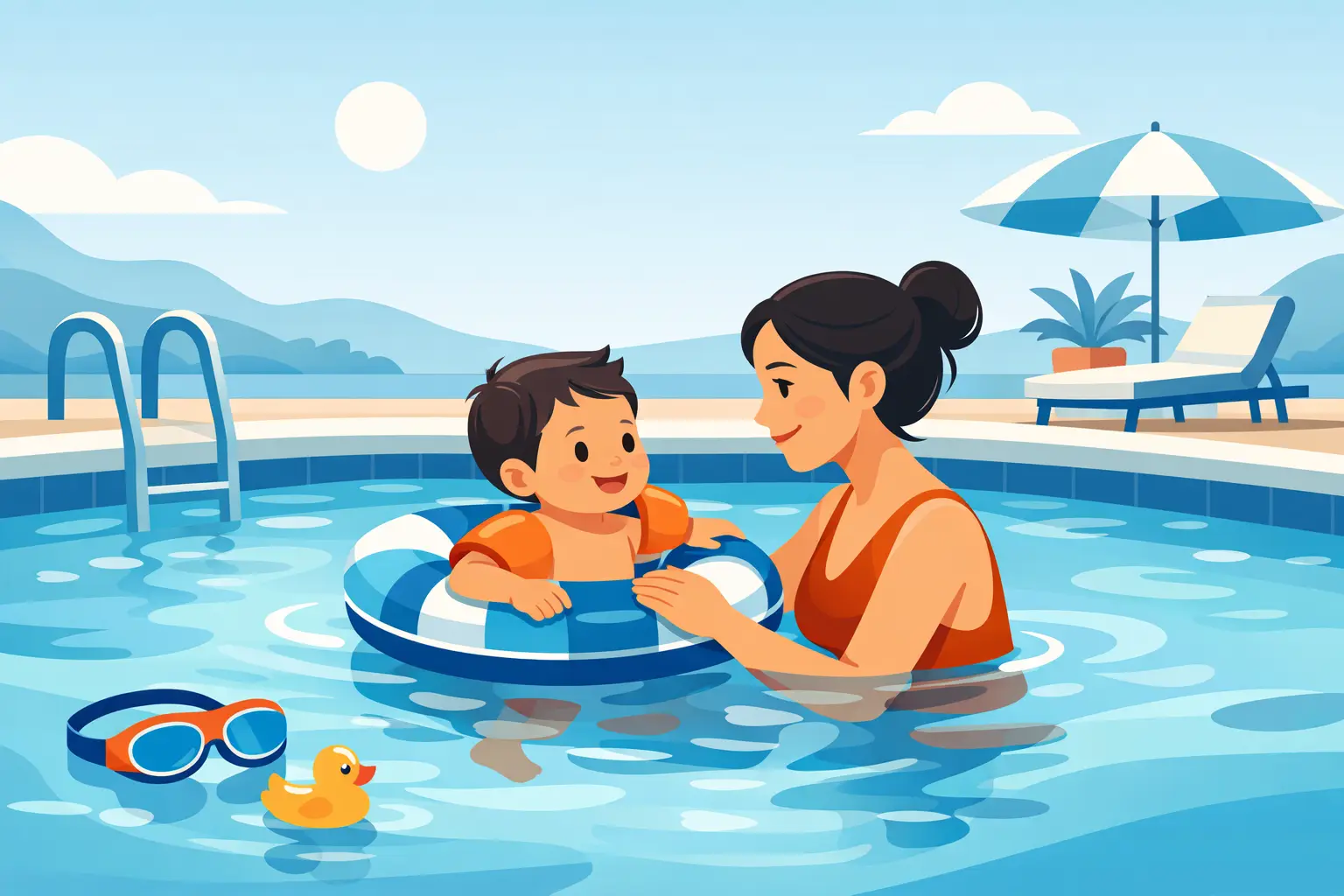
Then focus on body position and contact. Many toddlers fear the pool because they feel unstable. Keep one secure point of support at first, whether that is a parent’s hold or a coach’s hands, while allowing the child to feel buoyancy. Small shifts matter. Leaning the body slightly forward, supporting under the chest, or helping the child feel the water hold them can reduce panic more effectively than verbal reassurance alone.
Breath control should come before any pressured submersion. Encourage blowing bubbles, humming at the water surface, or putting the chin and lips in first. A child who can manage breathing is much more likely to stay calm. By contrast, a child who gets water up the nose early may become defensive for the rest of the session.
Face wetting is another common barrier. Do not assume a toddler will accept water on the face just because they enjoy splashing. Introduce it in small doses. Use cupped hands, let the child wipe the face, and repeat. If distress builds, reduce the challenge and restore a sense of success.
The biggest mistakes parents make at the pool
The most common mistake is equating speed with progress. Parents understandably want quick results, especially when swimming is seen as a life skill. But toddlers do not build confidence on an adult timeline. They build it through repetition, trust, and successful experiences.
Another mistake is over-talking. When a child is unsure, constant instructions can add pressure. Short, calm cues work better: hold, kick, bubbles, eyes here. The pool is already a stimulating place. Clear communication helps a toddler focus on one task at a time.
Using force is the mistake that causes the deepest setback. This includes pushing a child off the wall unexpectedly, insisting on repeated dunking, or continuing an activity after clear distress. A brief breakthrough is not worth long-term fear. Confidence training should challenge a toddler, but it should not overwhelm them.
Parents also sometimes compare their child with others in the same class. One toddler may separate easily, while another needs several sessions just to relax in shoulder-deep water. Both can progress well. Early differences do not reliably predict later swim ability.
Signs your toddler is ready to progress
Progression should be based on behavior, not only on lesson count. A toddler is usually ready for the next step when they recover quickly after a new task, show curiosity instead of avoidance, and can repeat a skill with less physical resistance.
For example, once a child consistently accepts supported movement through the water, you can begin extending distance slightly. Once bubbles are comfortable, you can work toward brief face immersion. Once supported back floating feels calm, you can reduce support for a second or two and rebuild. Good progression is not dramatic. It is steady and measurable.
Watch for the quality of response. A toddler who laughs through an activity but clutches tightly and holds their breath may not truly be ready. A better indicator is relaxed breathing, soft body tension, and willingness to try again.
Why lesson structure matters more than pool toys
Toys can help engagement, but they should not lead the session. Young children often enjoy watering cans, sinkers, or floating objects, yet those items do not automatically build usable water confidence. Without structure, play can become distraction rather than skill development.
The strongest toddler lessons follow a sequence: safe entry, warm-up adjustment, breath and face work, supported movement, floating exposure, and calm exit. That format helps children understand the rhythm of learning. It also makes progress easier to track from one session to the next.
This is where experienced instruction makes a clear difference. A structured toddler program does more than keep children busy in the water. It builds confidence in the right order, reduces avoidable setbacks, and supports long-term swim development. For families who want both safety and measurable improvement, a progression-led approach is usually more effective than casual pool exposure alone.
How parents can support confidence between lessons
Pool confidence grows faster when the child’s experience stays consistent. If your toddler attends weekly lessons, your role between classes is to reinforce calm familiarity rather than test skills aggressively.
Keep language positive and specific. Instead of saying, “Don’t be scared,” say, “You know how to blow bubbles,” or, “We will hold and kick like last time.” This reminds the child of success. It also frames swimming as something manageable, not something frightening that needs to be avoided.
If you visit the pool outside class, repeat familiar routines instead of introducing harder ones. Practice safe entry, kicking on the wall, supported glides, and bubble blowing. End while the child is still regulated. A short, successful session is more valuable than a long one that ends in tears.
It also helps to keep expectations realistic around fatigue. Many toddlers become less cooperative simply because they are cold, hungry, or nearing nap time. Timing can affect behavior as much as confidence level. When possible, schedule water exposure when your child is rested and comfortable.
When fear is persistent
Some toddlers need more time, especially after an upsetting water experience. Others are naturally more cautious with sensory changes, noise, crowding, or temperature. In these cases, progress may look slower, but it can still be strong when handled correctly.
Persistent fear usually responds best to smaller task breakdowns and consistent coaching. Instead of trying to complete a full skill, the goal might be accepting water on the cheeks, then the chin, then the mouth area over multiple sessions. This may feel slow to adults, but it often creates more durable confidence than pushing for quick wins.
Professional instruction can be especially useful here because an experienced coach can adjust the progression without losing the larger goal. At AQZOG, structured swim teaching is built around safety, confidence, and clear advancement, which is particularly valuable for young beginners who need patient but purposeful support.
Building confidence now supports safety later
Toddlers do not need to become independent swimmers overnight. They do need a safe, positive introduction that teaches them water can be understood, managed, and respected. When confidence is built properly, children learn with less resistance and are better prepared for later stages of swim instruction, including stronger movement, floating control, and water survival development.
The goal is not to create a fearless child. It is to develop a child who trusts the learning process, responds well to instruction, and grows more capable with each session. That is how early pool confidence becomes real swimming progress over time.