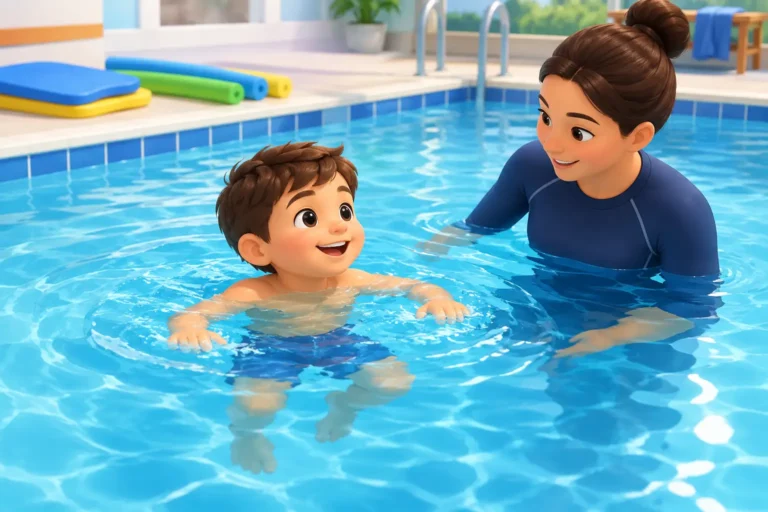
How to Prepare Your Child for a Swim Assessment
A swim assessment can feel like a big day for a child, even when they have been attending lessons regularly. The best way to prepare your child for a swim assessment is not to push for last-minute perfection. It is to build familiarity with the skills, confidence in the pool, and a calm understanding of what the assessor will ask them to do.
For parents, assessment readiness is about more than earning the next certificate. A well-prepared child demonstrates safe decision-making, controlled movement, and the ability to recover when a skill does not go exactly as planned. These are the foundations that matter in SwimSafer progression and in real-life water situations.
Understand What the Swim Assessment Measures
A swim assessment is not simply a test of how far a child can swim. Depending on the stage, it may assess entries into the water, submersion, floating, kicking, stroke coordination, breathing control, water survival, and safe exits. Older or more advanced learners may also be assessed on treading water, swimming specific distances, or responding appropriately in a rescue-related scenario.
The exact requirements vary by level. Before practicing at home or arranging extra pool time, ask your child’s coach which skills are being assessed and where your child currently needs more support. This prevents families from spending time drilling a skill that is already secure while overlooking one that needs attention, such as a relaxed back float or a safe jump-and-recovery sequence.
A child does not need to look like a competitive swimmer to be ready. Assessment standards generally look for safe, repeatable performance. Good body position, calm breathing, and controlled movement are often more valuable than rushing through a task.
Prepare Your Child for a Swim Assessment With a Clear Plan
The most productive preparation starts one to three weeks before the assessment, depending on your child’s current ability and how often they swim. Keep the plan focused. Practice the required skills in short, purposeful blocks rather than turning every pool visit into a high-pressure test.
Start by identifying two categories: skills your child can already do independently and skills that still require reminders. For the first category, a few repetitions are enough to preserve confidence. For the second, use patient practice with one coaching point at a time. A child who is trying to remember arm position, kicking rhythm, head placement, and breathing all at once can quickly become overwhelmed.
For example, if freestyle breathing is the main challenge, do not begin with repeated full-length swims. Practice side breathing while holding the wall, then with a kickboard if appropriate, before combining it with short swims. If back floating causes anxiety, begin in shallow water with close support and gradually reduce assistance as your child learns to trust the water.
Consistency matters more than intensity. One focused lesson and one relaxed practice session each week can be more effective than a single exhausting session the day before the assessment.
Practice Skills in Assessment Order
Children often perform a skill well in isolation but struggle when they need to complete several tasks in sequence. If the assessment includes an entry, a swim, a float, and an exit, practice the whole sequence once they are comfortable with each part.
This helps your child understand transitions. They learn that after jumping in, they need to regain balance before starting to swim. After a swim, they may need to roll onto their back, float calmly, then move safely to the wall. These transitions show real water confidence, not just isolated technique.
Avoid over-correcting every attempt. If your child completes the sequence safely, recognize what went well first. Then offer one specific improvement for the next try, such as, “Keep your chin still when you turn to breathe,” or, “Take one calm breath before you begin kicking.”
Build Water Confidence, Not Test Anxiety
Many children have the ability to pass but become tense when they hear the word “assessment.” They may worry about being watched, making mistakes, or disappointing a parent. Your language can make a meaningful difference.
Describe the assessment as a chance to show what they have learned. Explain that the coach or assessor wants to see them stay safe, listen carefully, and try each skill independently. Avoid saying that they “must pass” or comparing them with siblings, classmates, or other swimmers.
It also helps to normalize mistakes. A child may swallow a little water, lose their goggles, forget a step, or need a moment to reset. Teach them a simple recovery routine: stop, find the wall or regain a float, take a breath, listen for instructions, and continue when ready. This approach supports both assessment performance and genuine water survival awareness.
Parents should also stay calm on the day. Children are quick to notice worried expressions and repeated reminders. A short message is enough: “Listen to your coach, take your time, and show the safe skills you practice every week.”
Focus on the Skills That Matter Most
While each SwimSafer stage has its own requirements, several skill areas commonly shape a child’s assessment readiness. These should be practiced under the guidance of a qualified instructor, especially for beginners and nervous swimmers.
- Safe water entry and exit, including checking surroundings and moving to the wall with control.
- Relaxed submersion and breathing control, without panic or rushed movements.
- Front and back floating, including the ability to regain a stable position.
- Propulsion through kicking and coordinated strokes over the required distance.
- Water survival responses, such as treading water, floating, or changing direction safely.
- Listening and following instructions independently, even when a parent is not beside the pool.
The balance between technique and confidence depends on the child. A confident swimmer may need more attention to stroke quality or distance endurance. A cautious child may already understand the movements but need repeated positive exposure to deeper water, floating, or independent entries.
Get the Practical Details Right
Poorly fitting goggles, a rushed arrival, or an unfamiliar pool routine can distract a child who is otherwise ready. Prepare their swim bag the night before with a comfortable swimsuit, secure goggles, towel, water bottle, and any items requested by the program.
Goggles should fit snugly without causing pain. Test them during practice rather than introducing a new pair on assessment day. If your child is not required to wear goggles for a particular skill, they should still be comfortable completing that skill without relying on them. Goggles can slip or fill with water, and children need the confidence to recover safely.
Arrive early enough for your child to use the restroom, settle in, and hear any instructions without rushing. Avoid a heavy meal immediately before swimming, but do provide a familiar light snack earlier if needed. Tiredness and hunger can affect concentration, especially for younger children.
Know When Extra Coaching Helps
A few extra sessions can be valuable when an assessment is approaching, particularly if your child has missed lessons, is moving into a more demanding stage, or has a specific fear that limits performance. Private or small-group coaching can give the instructor time to identify the exact barrier and work through it systematically.
However, extra coaching is not always necessary. If your child consistently completes the required skills safely in regular classes, too much last-minute practice may create pressure rather than improvement. The right approach depends on whether the issue is skill consistency, water confidence, or simply unfamiliarity with assessment conditions.
At AQZOG, mock practical test preparation can help learners experience a structured assessment format before the actual day. This is especially useful for children who know the skills but become nervous when tasks are presented in a formal sequence.
On Assessment Day, Keep the Routine Simple
The final hours before the assessment are not the time to teach new techniques. Keep the morning predictable, arrive prepared, and let your child’s training do its work. If they ask for reminders, give only the cues their coach has already used in lessons.
Afterward, praise effort, composure, and safe choices regardless of the result. A certificate marks progress, but the more lasting achievement is a child who can enter the water with awareness, stay calm when challenged, and continue building skills step by step.