SwimSafer Stage 3 Review: Skills, Tests, and Readiness
A SwimSafer Stage 3 review should do more than tell a parent whether a child can complete a few laps. At this level, swimmers are expected to show that they can make sensible decisions in the water, manage themselves when tired or surprised, and respond safely when another person needs help. That is why Stage 3 is an important checkpoint in a child’s swimming progression.
For many families, the biggest question is simple: is my child genuinely ready for assessment, or are they only comfortable during a familiar weekly lesson? The difference matters. A child who can perform a skill once after a coach’s prompt may still need more practice before they can demonstrate it independently, calmly, and in the required sequence.
What SwimSafer Stage 3 Is Designed to Build
Stage 3 moves beyond basic confidence and simple stroke development. The focus becomes practical water survival, safer decision-making, and a more purposeful approach to helping others. Children must combine physical skills with awareness: entering the water safely, moving efficiently, controlling breathing, floating or resting when necessary, and recognizing when a rescue situation requires caution rather than impulsive action.
This is also where endurance starts to matter more. A swimmer may have a recognizable front crawl or breaststroke, but technique must hold together after a longer swim or after completing a survival sequence. Good Stage 3 preparation develops reliable habits, not just isolated test items.
The program is particularly valuable in Singapore, where children regularly encounter public pools, school-based water activities, and family outings near water. Formal progression gives parents a clearer measure of readiness, while structured coaching gives children the confidence to act without panic.
SwimSafer Stage 3 Review: The Skills That Matter
Assessment requirements can be updated, and coaches should always prepare swimmers according to the current official criteria. However, a thorough review generally looks at four connected areas: water entry and survival, swimming strokes and distance, rescue awareness, and water-safety knowledge.
Water entry, survival, and self-control
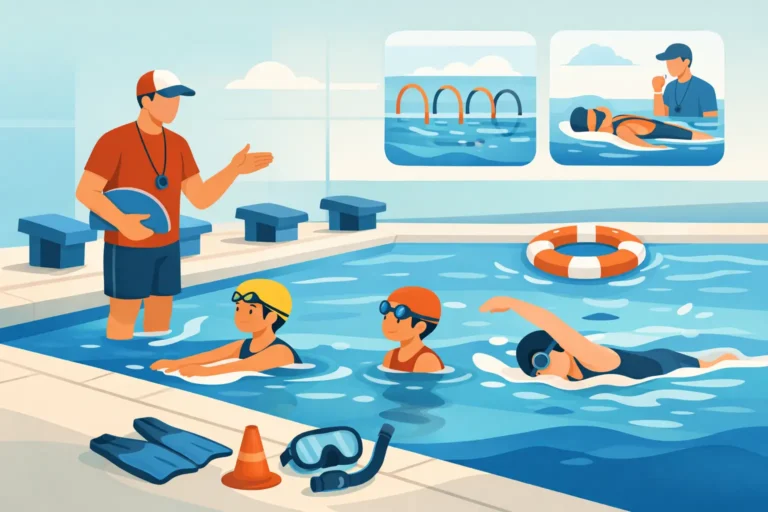
A Stage 3 swimmer should not depend on the pool wall for reassurance. They need to enter the water in a controlled manner, recover their position, regulate their breathing, and continue moving with purpose. This may include survival-style movements, treading or floating skills, and transitions between positions.
The key quality is composure. Children often know the movements but rush through them, lift their heads too high, or lose direction when they become tired. During a proper review, the coach observes whether the child can stay calm, listen for instructions, and recover after a small mistake. Those are real safety outcomes, not minor presentation details.
Stroke efficiency, not just speed
Stage 3 is not a race. A child does not need to be the fastest swimmer in the lane, but they should show functional strokes that can carry them through the required distance without excessive fatigue. Front crawl, breaststroke, and backstroke skills should have a clear body position, controlled breathing, and a workable kick.
Parents sometimes see a child complete a distance and assume the stroke is ready. Coaches look more closely. Is the child stopping to stand when not intended? Are they losing balance during breathing? Is the kick helping forward movement, or creating extra effort? A technically cleaner stroke helps a child conserve energy, which is especially important after survival activities.
Rescue skills and safe choices
One of the most meaningful parts of Stage 3 is the shift from personal survival to helping another person safely. Children learn that jumping in immediately is not always the right response. A panicked casualty can pull a rescuer underwater, even when the rescuer is a confident swimmer.
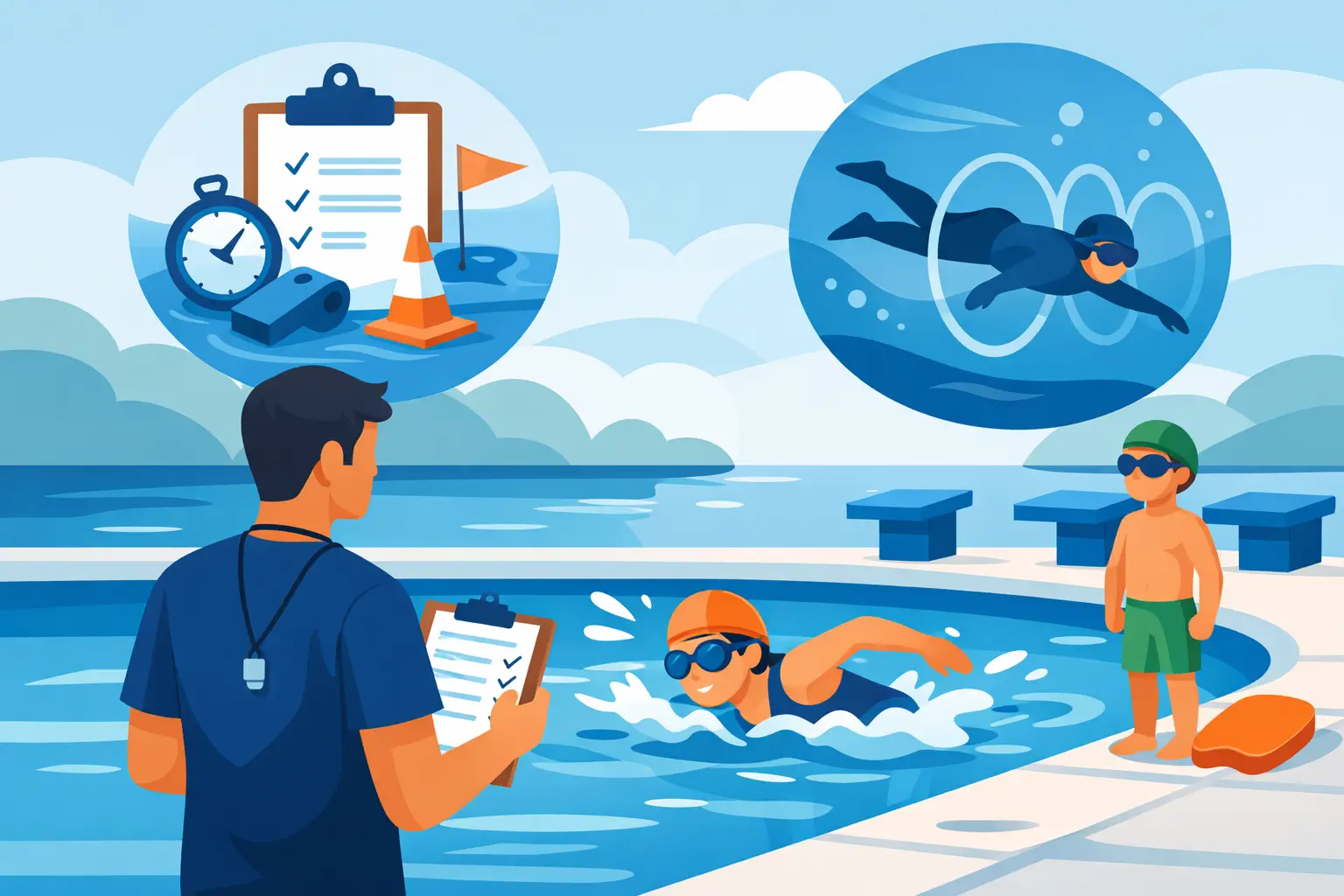
A child should understand the safer sequence: assess the situation, call for help, use a reaching or throwing aid when appropriate, and keep a safe distance. Practical rescue work may involve recognizing suitable aids and using them effectively from a safer position. The goal is not to turn children into lifeguards. It is to teach them to avoid becoming a second casualty.
Safety knowledge that can be applied
Theory preparation should never be treated as memorizing phrases for a test. Children need to understand why pool rules exist, how to identify risky behavior, and when to seek adult assistance. They should be able to explain basic safe practices in language they understand.
This includes knowing the difference between playing confidently and behaving carelessly. Running on wet surfaces, pushing others into water, swimming without supervision, and using flotation equipment incorrectly can all create preventable risks. When children understand the reason behind the rule, they are more likely to follow it outside the lesson environment.
How to Tell If Your Child Is Test-Ready
A child is usually ready for Stage 3 assessment when performance is consistent across several lessons, not just one strong session. They should be able to complete the required sequence with limited reminders, even when they are slightly nervous or working in a different part of the pool.
Watch for three signs. First, your child can maintain control after an entry, a change of position, or a missed breath. Second, they can swim the expected distance without their technique breaking down completely. Third, they understand safe rescue choices and do not treat rescue practice as rough play.
Confidence is useful, but overconfidence can create problems. Some children rush because they want to finish first; others hesitate because they fear making an error. Both patterns can be improved through targeted practice. A good coach builds test readiness by repeating the full sequence, correcting one or two priorities at a time, and helping each swimmer understand what success feels like.
Common Reasons Children Need More Preparation
Needing extra time before Stage 3 assessment is normal. It does not mean a child is a weak swimmer. Often, the issue is simply that one area is less consistent than the rest.
Common concerns include poor breathing rhythm during front crawl, difficulty staying afloat while listening for instructions, uncertainty during rescue scenarios, or fatigue after completing multiple activities in sequence. Some children perform strongly in warm-up drills but become unsettled when asked to complete a skill independently. Others know the theory but cannot apply it quickly during practical work.
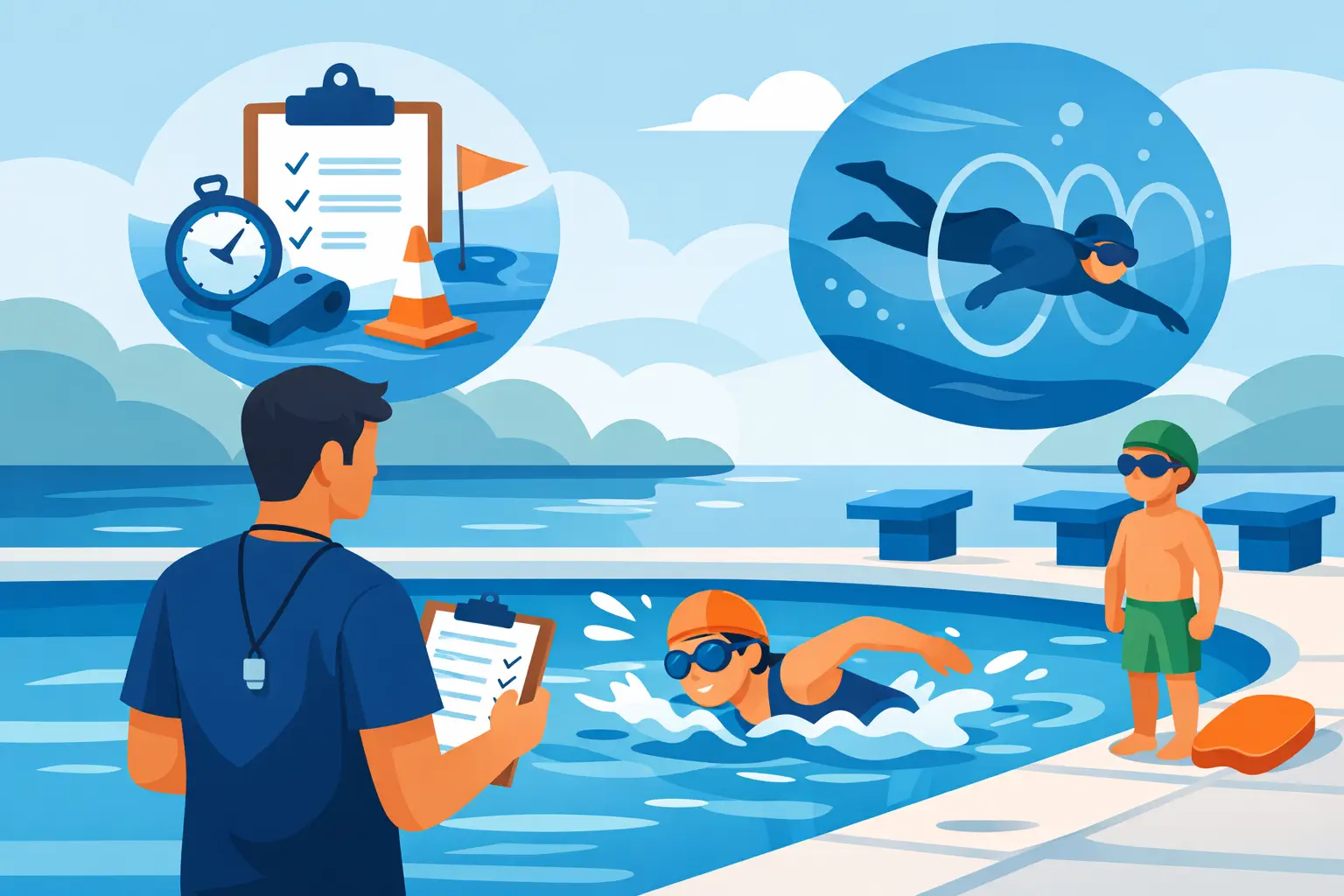
The right response is focused practice, not pressure. Repeating a weak skill with correct feedback is more productive than sending a child into assessment before they are ready. A mock practical test can be especially helpful because it reveals whether a swimmer can manage transitions, follow directions, and remain composed without constant coaching prompts.
A Productive Way to Prepare at Home and in Class
Parents do not need to become swimming coaches. The most useful support is to reinforce a calm, safety-first mindset. Ask your child what they would do if a friend struggled in the water, why they should call an adult, or how they can rest if they feel tired. Their answers will reveal whether they understand the purpose behind the skills.
At the pool, prioritize regular lessons and consistent attendance. Swimming progression is built through repeated movement patterns, especially for breathing, body position, and survival skills. Last-minute practice may refresh memory, but it rarely builds the control needed for assessment.
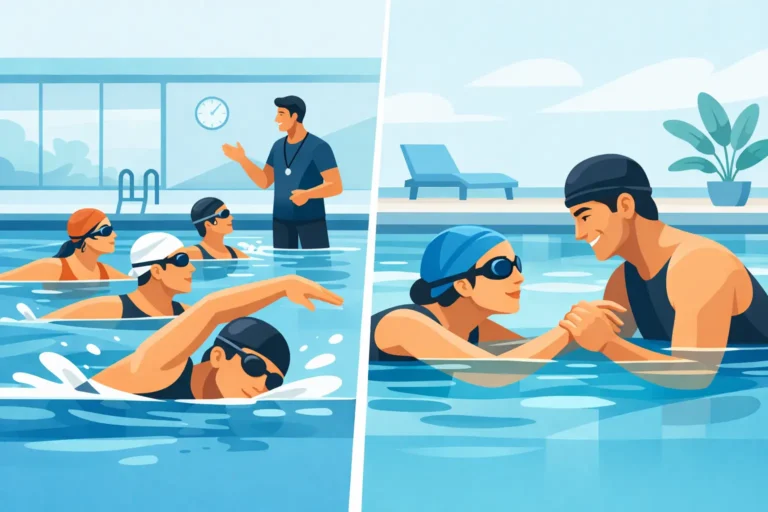
For children who need faster improvement, smaller-group or private coaching can provide more repetitions and more precise feedback. AQZOG’s structured Stage 3 preparation can also combine skill correction, theory support, and mock testing so swimmers know exactly which areas need attention before assessment day.
What Stage 3 Achievement Means Next
Passing Stage 3 is a meaningful achievement because it shows that a child has progressed from basic swimming participation toward more capable water survival and safer response skills. It does not mean they no longer need supervision, and it does not replace the judgment of parents, teachers, or lifeguards. Rather, it gives them a stronger foundation for the next stage of swimming and lifesaving-oriented development.
The best preparation is not built around fear of failing a test. It is built around giving a child enough practice to enter the water calmly, swim with control, make safer choices, and feel proud of skills they can use for years.