Water Polo for Beginners
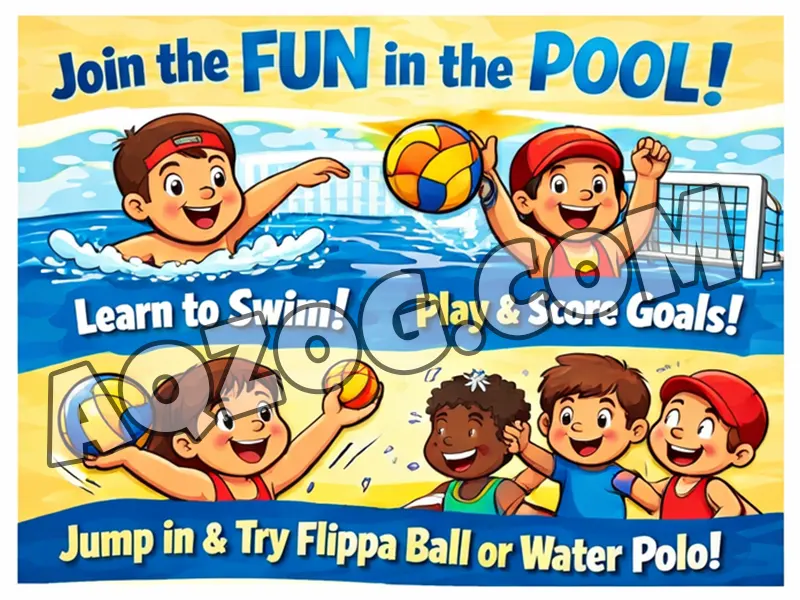
Water Polo for Beginners: How to Start Playing in Singapore (2026 Guide)
Suggested meta title: Water Polo for Beginners Singapore: Rules, Skills & How to Start (2026) Suggested meta description: New to water polo? Learn the basic rules, essential skills like eggbeater kick, what gear you need, and how beginners in Singapore can start playing today. Suggested URL slug: /water-polo-for-beginners-singapore/
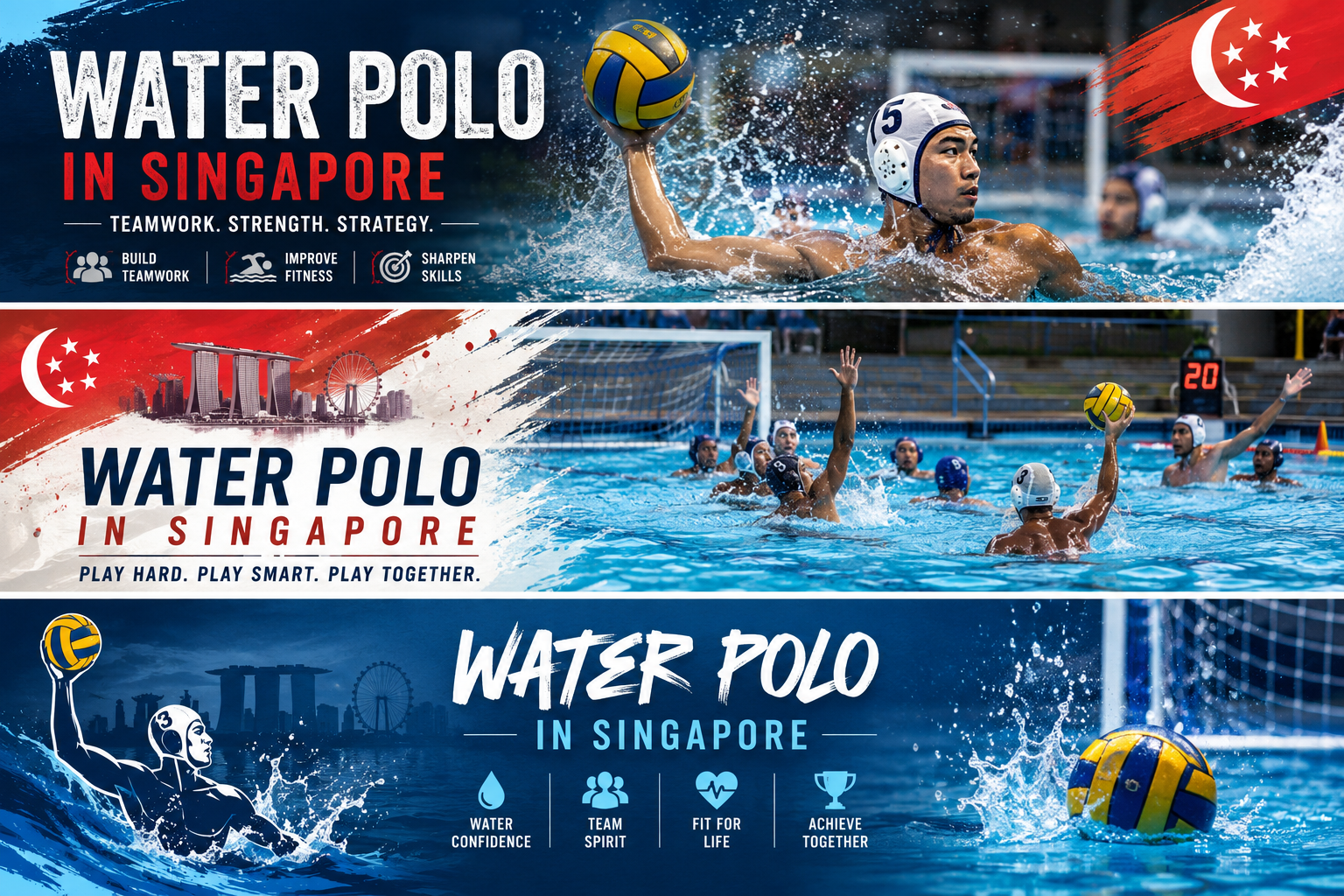
Water polo is one of the most exciting team sports you can play in the pool — and in Singapore, it carries special meaning. Our men’s team famously won the SEA Games gold for decades, making water polo part of our national sporting heritage. Yet many swimmers never try it because it looks intimidating from the deck.
Here’s the truth: if you can swim confidently, you can learn water polo. This beginner’s guide covers the rules, the skills you need, the gear to buy, and exactly how to get started.
Water Polo Memory Game
🤽 Water Polo Memory Match
Flip two cards to find a matching pair — wrong pairs flip back on their own!
🏆 Champion!
You matched all 8 pairs in 0 moves and learned the rules of water polo. See you in the pool!
What Is Water Polo?
Water polo is a team sport played in a deep pool between two teams of seven players (six field players and one goalkeeper). The objective is simple: throw the ball into the opponent’s goal while treading water — players cannot touch the bottom or hang on the pool wall during play.
A standard match has four quarters of eight minutes each. Think of it as a mix of swimming, handball, and wrestling, all happening in deep water.
Basic Water Polo Rules Every Beginner Should Know
You don’t need to memorise the full rulebook to start. These five rules cover 90% of what happens in a game:
- One hand on the ball. Field players may only touch the ball with one hand at a time. Only the goalkeeper can use two hands (inside the 5-metre area).
- No touching the bottom. Players must swim or tread water at all times. Standing on the pool floor is a foul.
- 30-second shot clock. Your team has 30 seconds to attempt a shot after gaining possession, which keeps the game fast.
- Ordinary fouls vs exclusion fouls. Minor fouls give the other team a free throw. Serious fouls (like holding or sinking an opponent without the ball) send a player out for 20 seconds.
- The 2-metre rule. Attackers cannot wait inside the opponent’s 2-metre line ahead of the ball — water polo’s version of offside.
Essential Skills for Beginner Water Polo Players
1. The Eggbeater Kick
The eggbeater is water polo’s foundation skill. Your legs rotate alternately in circles — like an eggbeater — letting you stay high and stable in the water with your hands free. Practise it while holding a ball above your head; if you can hold that position for 30 seconds, you’re on the right track.
2. Head-Up Freestyle
Unlike lap swimming, water polo players swim with their head above the water to track the ball and other players. It feels awkward at first, so build it gradually: swim 25 metres of normal freestyle, then 25 metres head-up.
3. Passing and Catching with One Hand
Because you can only use one hand, catching is a skill of its own. Beginners should practise “dry passes” (ball to hand, no splash) with a partner from 3–5 metres apart before attempting shots.
4. Treading Endurance
A field player treads water for most of a 32-minute match. Strong general swimming fitness — the kind built through structured programmes like SwimSafer Stages 4–6 — makes the transition into water polo far easier.
What Gear Do You Need?
Water polo is refreshingly cheap to start:
- Swim trunks or a one-piece suit (snug fit — loose swimwear gets grabbed)
- A water polo cap with ear protectors (clubs usually provide these)
- A size 3 (junior), size 4 (women/youth), or size 5 (men) water polo ball
- Goggles are not worn in matches, but beginners may use them during skill drills
How Do Beginners Start Playing Water Polo in Singapore?
Follow this pathway:
- Get water-confident first. You should be able to swim 50 metres of freestyle and tread water for at least one minute. SwimSafer Stage 4 and above is a good benchmark.
- Join a learn-to-play clinic. Singapore Aquatics and various clubs run introductory sessions at public pools. School CCAs are the most common entry point for students.
- Build the eggbeater and head-up freestyle in your regular swim sessions — even two 20-minute practices a week make a visible difference within a month.
- Play mini-polo games. Small-sided games (3v3 in a shallow-deep pool) teach positioning without the intensity of a full match.
Frequently Asked Questions (FAQ)
Is water polo hard for beginners?
Water polo is physically demanding, but beginners are not thrown into full matches. Learn-to-play sessions focus on treading, passing, and small games. If you can swim 50 metres comfortably, you can start.
What age can kids start playing water polo?
Most children start between ages 8 and 12, once they are confident deep-water swimmers. In Singapore, completing SwimSafer Stage 4 or higher is a practical readiness marker before joining a junior polo programme.
Do you need to be a strong swimmer to play water polo?
Yes — swimming confidence is the prerequisite. You don’t need competitive squad speed, but you must swim freestyle continuously and tread water without panic. Strengthen these first, then polo skills come quickly.
Can you touch the bottom of the pool in water polo?
No. Matches are played in water at least 1.8 metres deep, and players must swim or tread throughout. This is why the eggbeater kick is the first skill every beginner learns.
How long is a water polo match?
A full match is four quarters of eight minutes of actual play, though with stoppages a game typically lasts 45–60 minutes. Beginner and junior formats use shorter quarters.
Is water polo popular in Singapore?
Yes — water polo is one of Singapore’s most successful team sports, with a historic SEA Games gold streak. School CCAs, club programmes, and national development squads keep the pipeline active.
Final Thoughts
Water polo rewards exactly the skills strong swimming programmes build: endurance, water confidence, and body control. Master the eggbeater, get comfortable swimming head-up, and join a beginner clinic — you’ll be playing real games within weeks.
Ready to build the swim foundation water polo demands? AQZOG Swim School’s SwimSafer 2.0 programmes at Clementi and Queenstown Swimming Complexes take swimmers from first splash to Stage 6 confidence — the perfect springboard into water polo.