How to Train for Holiday Swim Intensives
A holiday intensive can create real momentum in the pool, but several lessons in one week also ask more of a swimmer than a standard weekly class. Knowing how to train for holiday swim intensives helps children, teens, and adults arrive ready to learn, retain new skills, and build confidence without becoming overwhelmed.
The goal is not to push hard before the program starts. It is to prepare the body, mindset, and routine so each coached session can focus on progress. For a child working toward SwimSafer certification, that may mean greater comfort with submersion, floating, and listening to instructions. For an adult beginner, it may mean reducing water anxiety and improving basic stamina. For a stronger swimmer, it may mean preparing for more focused technique or endurance work.
Start With the Right Intensive Goal
Holiday programs work best when the goal is specific. “Become a better swimmer” is encouraging, but it does not give the swimmer or coach a clear target. A more useful goal could be swimming 25 meters with a recognizable stroke, gaining confidence in deeper water, completing a SwimSafer stage skill, or preparing for a practical assessment.
Parents should consider where their child is now, rather than where classmates or siblings may be. A child who still hesitates to put their face in the water needs a different training plan from a child who can swim independently but needs stronger breaststroke timing. Starting at the appropriate level protects confidence and makes improvement measurable.
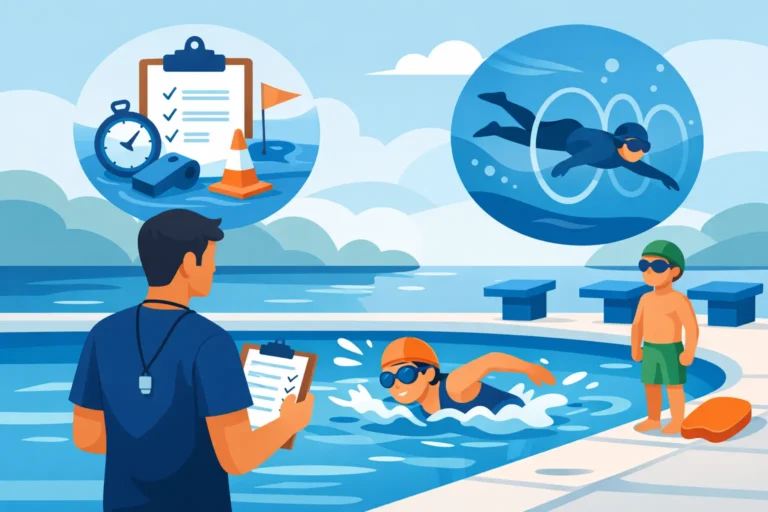
For assessment-focused learners, review the required skills before the intensive begins. SwimSafer preparation includes more than swimming distance. Water entry, survival skills, floating, treading water, safe movement, and responding appropriately in the water all matter. A concentrated program can strengthen test readiness, but it should not be treated as a shortcut around essential safety skills.
Build Water Comfort Before the First Lesson
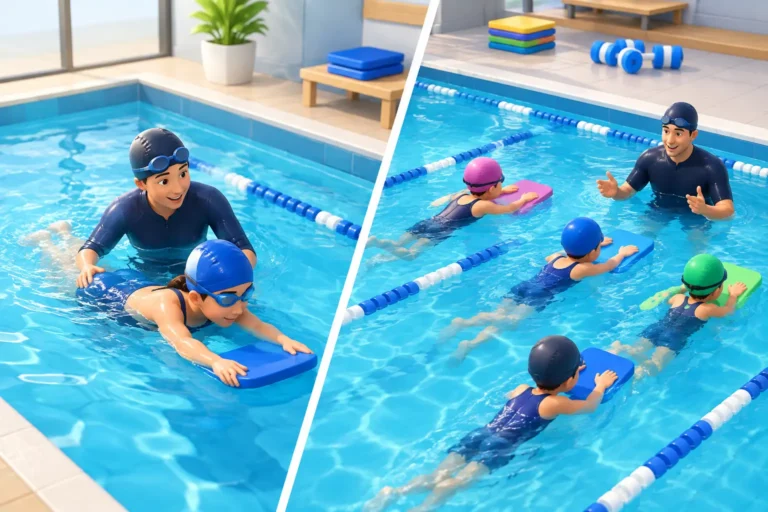
A swimmer does not need extra hard training to prepare well. Short, calm exposure to water is often more valuable, especially for beginners and water-fear learners. If pool access is available, one or two relaxed practice visits before the program can make the first intensive session feel familiar rather than intimidating.
Keep these visits low-pressure. Practice entering and exiting safely, blowing bubbles, wetting the face, floating with support, and moving through shallow water. Children should always be closely supervised by a capable adult, even if they have already attended swimming lessons. Water familiarity grows through positive repetition, not being forced into activities before the swimmer is ready.
For toddlers, preparation is even simpler. Talk positively about the pool, let them wear goggles briefly at home if they are comfortable, and maintain regular sleep and meal routines. A calm parent often helps a young child settle faster than repeated reminders to “be brave.”
Practice Skills, Not Unsupervised Swimming
If a swimmer has been given specific practice points by a coach, keep them brief and accurate. Five to ten minutes of purposeful work is enough for many young learners. Repeating poor kicking, head position, or breathing habits for long periods can make later correction harder.
A good rule is to practice only skills the swimmer can perform safely and calmly. Leave new drills, deep-water work, and more technical corrections to the coach. Structured instruction is where swimmers learn how to progress without compromising safety.
Prepare the Body for Consecutive Pool Sessions
Holiday intensives may involve daily or near-daily lessons. That frequency is valuable because swimmers can remember feedback from one session to the next, but recovery becomes part of the training plan.
In the week before the program, establish a consistent sleep schedule. School vacations often lead to late nights, yet tired swimmers struggle to concentrate, regulate emotions, and coordinate their movements in the water. Younger children may need quiet time after a lesson, particularly during their first few days of intensive training.
Hydration also matters. Swimmers may not feel sweaty in a pool, but they still lose fluid through activity and warm weather. Encourage water before and after lessons, and pack a familiar snack for afterward when appropriate. Choose food that is easy to digest, such as fruit, yogurt, a sandwich, or crackers with protein. Avoid arriving for a lesson very hungry or immediately after a heavy meal.
Land-based exercise can help, but it should stay moderate. Walking, cycling, gentle stretching, and simple bodyweight movements support general fitness without creating soreness. Competitive swimmers preparing for endurance work may benefit from a more organized dryland routine, but young children and beginners do not need demanding workouts before an intensive. Energy is better spent on learning in the pool.
Pack for Consistency, Not Just Convenience
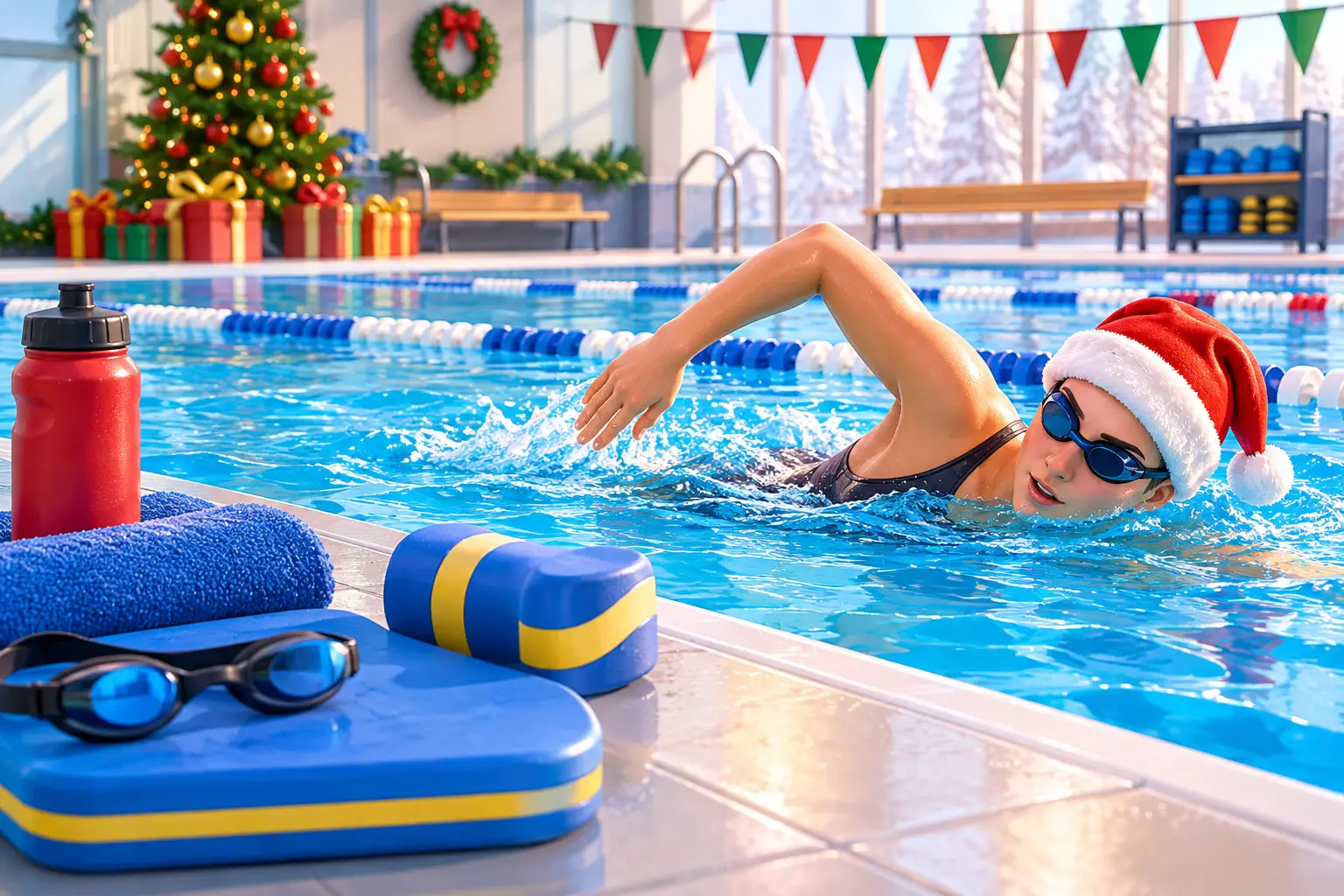
Small equipment problems can distract from a well-planned lesson. Prepare a swim bag the night before and use the same checklist for every session. A properly fitting swimsuit, towel, water bottle, and dry clothes are essential. Goggles should be comfortable and adjusted before arriving, not tested for the first time at poolside.
For children, bring a second towel or light cover-up if they tend to feel cold after lessons. Label belongings clearly, especially when training at busy public pools. If the coach recommends equipment such as a swim cap, kickboard, or fins for a particular program, use the correct size and follow the coach’s guidance rather than purchasing extra gear that is not needed.
Parents should also plan the journey. Arriving 10 to 15 minutes early allows time for changing, bathroom breaks, and a calm check-in. Rushing into the pool area can affect a child’s readiness before the lesson has even started.
Set Expectations for Focus and Feedback
An intensive is not simply a longer version of a casual swim session. The swimmer may receive more corrections, repeat drills more often, and encounter skills that feel challenging at first. Explain this before the program begins, using age-appropriate language: coaches give feedback because each correction helps the swimmer become safer and more capable.
For children, avoid asking only, “Did you pass?” after every class. Better questions include: “What skill did you practice today?” “What felt easier?” and “What will you try again tomorrow?” These questions keep attention on effort, understanding, and steady progression rather than immediate perfection.
Adults benefit from the same approach. Swimming exposes gaps in breathing, balance, and coordination quickly, particularly for those returning after many years. A focused intensive can produce fast improvement, but progress is rarely linear. One day freestyle breathing may click; the next day it may feel less smooth because the swimmer is tired or trying to apply a new correction. That is normal training, not failure.
How to Train for Holiday Swim Intensives With Safety First
The strongest preparation plan always puts safety ahead of speed. Do not overstate a child’s ability to help them enter a higher level, and do not encourage a fearful swimmer to push through panic. Honest information allows the coach to place the learner appropriately and build skills in the right order.
Tell the instructor about any recent illness, injuries, ear concerns, sensory needs, anxiety around water, or previous difficult experiences. This is especially useful for intensive programs, where a coach can adjust pacing and provide the right level of reassurance from the first session. Missing a lesson because of fever, vomiting, or a contagious condition is also the responsible choice for the swimmer and others at the pool.
Teach children a few consistent pool rules: walk, wait for permission before entering, listen when the coach is speaking, and stay within the assigned area. These habits support effective learning and are part of real water safety, not just pool etiquette.
Use the Intensive to Create a Next Step
The value of a holiday program should continue after the final lesson. At the end of the intensive, ask the coach what has improved, what still needs work, and which class or training pathway is most suitable next. Some swimmers may be ready for the next SwimSafer stage or a mock practical test. Others may benefit more from weekly lessons that reinforce confidence before moving forward.
AQZOG’s structured programs are designed around that progression: foundational water confidence first, then safer independent movement, stroke development, survival skills, and certification readiness where appropriate. The right next step depends on demonstrated skills, not the number of lessons completed.
A holiday intensive gives swimmers concentrated coaching and a valuable chance to see what they can achieve. Arrive rested, prepared, and open to feedback, then let safe repetition do its work. Confidence in the water is built one well-practiced skill at a time.