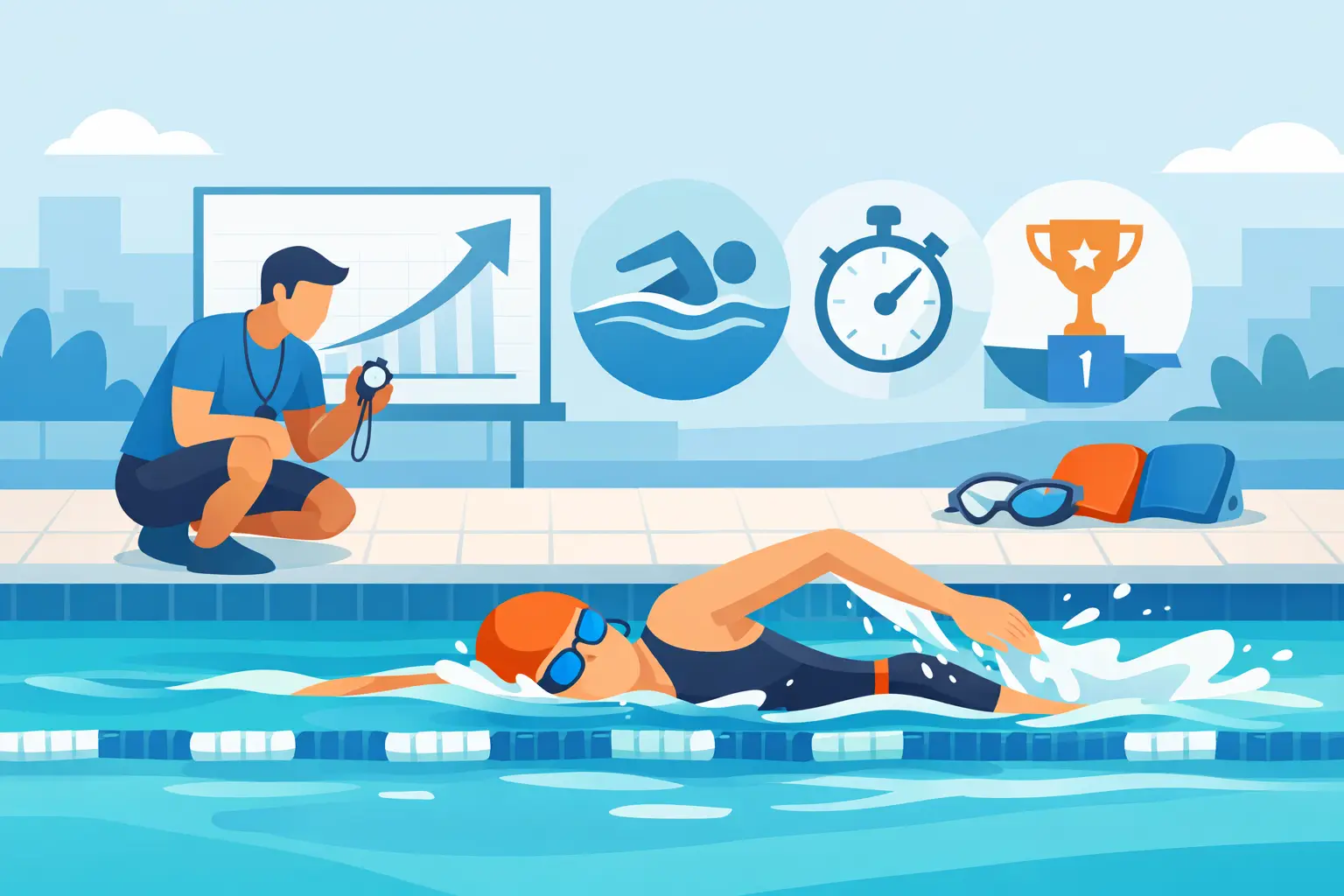
Intensive Swim Course Review for Fast Progress
A school break can pass quickly, but a child’s response in the water can change noticeably in just a few focused lessons. That is the appeal behind an intensive swim program. This intensive swim course review looks at what concentrated instruction can realistically achieve, who benefits most, and how families can judge whether a short course is the right next step for water safety and SwimSafer progress.
For many parents, the decision is not simply about helping a child swim farther. It is about seeing whether they can enter the pool calmly, listen to safety instructions, recover after a splash, and move with purpose instead of panic. For adult beginners, the goal may be overcoming fear, learning a reliable breathing pattern, or preparing for a fitness or triathlon objective. An intensive course can accelerate these outcomes, but only when the swimmer is placed at the right level and the program is built around clear progression.
What an Intensive Swim Course Is Designed to Do
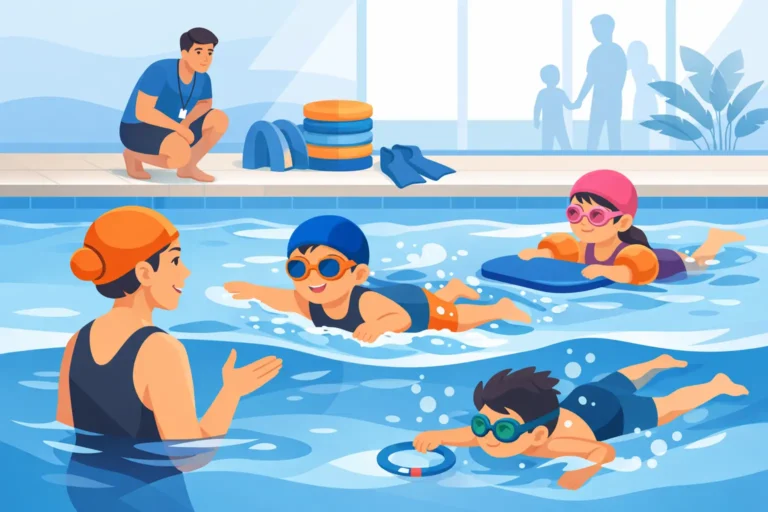
Unlike a weekly lesson, an intensive swim course places several lessons close together, often over consecutive days or within one to two weeks. Repetition is the key advantage. A swimmer can practice a new movement, return to it the next day, receive correction, and build on that improvement before the skill fades from memory.
This format is especially effective for foundational skills. Children who are learning to put their face in the water, float independently, kick with balance, or coordinate breathing often make faster gains when they have regular contact with the same movement pattern. They spend less time reorienting themselves at the start of each session and more time practicing.
The strongest courses do not treat speed as the only measure of success. They use focused sessions to establish safe habits: checking the environment, entering and exiting appropriately, controlling the body in water, and responding calmly when balance is lost. These are the foundations that support confident strokes and formal SwimSafer progression later.
Intensive Swim Course Review: What Results Are Realistic?
A good review starts with realistic expectations. An intensive course can create clear momentum, but it cannot replace practice, readiness, or sound coaching. A child who is fearful of water may finish a week more willing to submerge, float with support, and follow instructions. That is meaningful progress, even if independent freestyle is not yet appropriate.
For swimmers who already have basic confidence, the results can be more visible. They may improve body position, breathing timing, kicking efficiency, and distance control. Older children preparing for SwimSafer assessments can use concentrated sessions to revisit required competencies, correct weak areas, and gain familiarity with practical test expectations.
Adults often benefit in a different way. Frequent lessons reduce the long gaps that can allow anxiety to return. A beginner can repeat safe floating, breathing, and recovery drills until the movements feel more predictable. A more experienced adult may use an intensive block to refine stroke technique, increase efficiency, or prepare for a specific swim event.
Progress depends on several factors: the swimmer’s starting ability, age, confidence level, attention span, class size, lesson duration, and willingness to practice. Parents should be cautious of promises that guarantee a particular SwimSafer stage or stroke within a fixed number of sessions. Certification readiness should be based on demonstrated competence, not a calendar deadline.
The Benefits Families Notice First
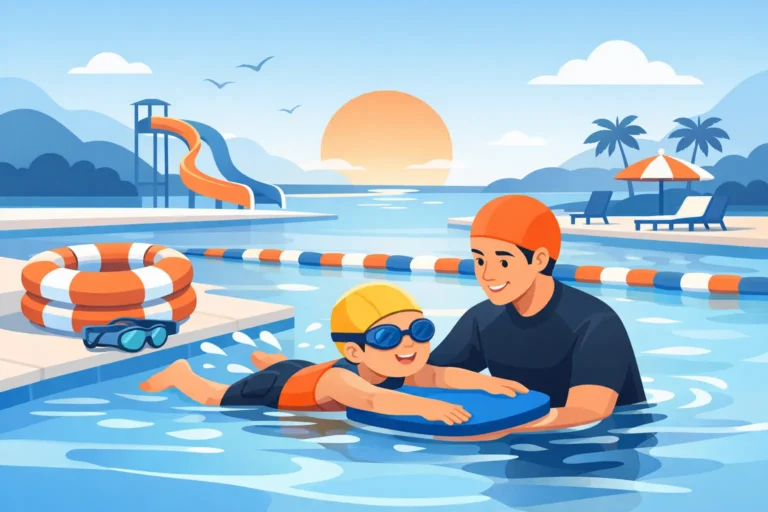
The first improvement is often confidence. A child who clings to the wall may begin to let go briefly. A swimmer who avoids putting their face in the water may start blowing bubbles with control. These small steps matter because they show that the child is developing trust in the water and in their own ability to respond.
The next benefit is consistency. When the same skills are practiced frequently, coaches can spot patterns quickly. A child may bend their knees during a float, lift their head too early to breathe, or lose direction while kicking. Immediate correction helps prevent ineffective habits from becoming established.
Parents also appreciate the structure. A well-run intensive program should have a clear starting point, achievable lesson objectives, and an explanation of what the swimmer needs to work on next. The course should not feel like extended pool play. Enjoyment matters, especially for younger swimmers, but every activity should support a defined safety or skill outcome.
When an Intensive Course Is the Right Choice
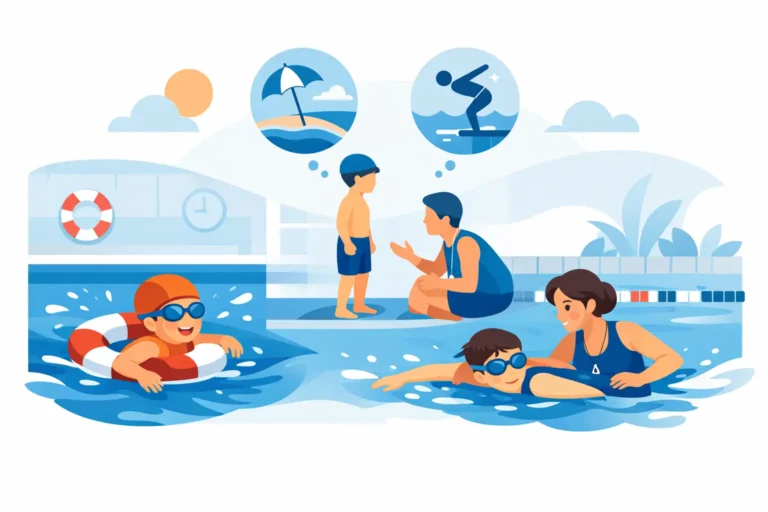
An intensive program works particularly well during school holidays, before a planned beach or pool trip, or when a child needs a confidence reset after a long break from lessons. It can also be valuable for families whose regular schedules make weekly attendance difficult for a period of time.
For test-focused learners, an intensive course is useful when it is part of a larger preparation plan. Swimmers preparing for SwimSafer should already understand that practical assessment is not only about completing a stroke. They need to demonstrate water safety awareness, controlled movement, and the competencies required at their stage. Focused training can identify gaps, but a mock practical test or coach assessment is often the better way to determine whether the swimmer is genuinely ready.
It may not be the best first option for every learner. Very young toddlers, children with strong water anxiety, or swimmers who tire quickly may do better with shorter sessions and more time between lessons. Some learners need time to process new sensations and build trust gradually. In these cases, weekly private or small-group instruction can provide a steadier path.
How to Evaluate an Intensive Swim Program
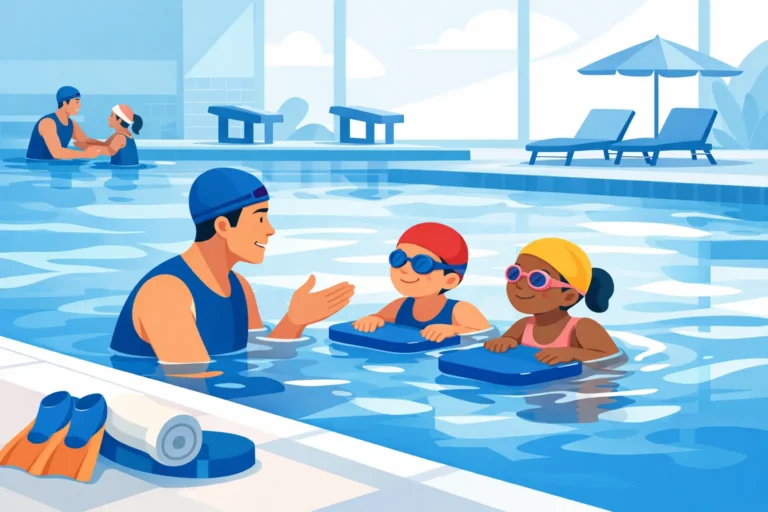
The quality of coaching matters more than the number of sessions. Before enrolling, parents should ask how swimmers are grouped, what the instructor-to-student ratio is, and whether the course follows a progression appropriate for the child’s age and current ability. A beginner should not be pushed into deep-water tasks before they can perform basic skills safely.
Look for a program that can explain its outcomes in practical language. For example, “water confidence” should mean observable abilities such as safe entry, controlled submersion, floating, kicking, or moving to a point of support. “Test preparation” should include a review of the relevant competencies, not vague assurance that a child will pass.
Coach experience is equally important. An experienced instructor knows when to challenge a swimmer and when to slow down. They can distinguish between temporary hesitation and a learner who is becoming overwhelmed. This judgment is essential for building confidence without compromising safety.
At AQZOG, intensive programs are most effective when they are matched to a swimmer’s existing skills and a clear next goal, whether that is water adjustment, stroke development, SwimSafer readiness, or practical test preparation. The aim is measurable improvement that continues after the holiday program ends.
Questions Worth Asking Before Enrollment
Ask whether the course includes an initial assessment or level check. This reduces the risk of placing a child in a group that is too advanced or too basic. Also ask how progress will be communicated. A useful update should identify skills achieved, skills still developing, and the recommended next lesson pathway.
Parents should also clarify whether the program is designed for skill building, certification preparation, or both. These are related but not identical goals. A child can make excellent progress during an intensive course and still need more practice before an assessment. That is not a failure. It is responsible progression.
Finally, consider the practical setting. Public pool conditions, weather, class timing, travel distance, and the child’s energy level can all affect learning. A convenient location and consistent attendance usually produce better results than an ambitious schedule that becomes difficult to sustain.
Making Progress Last After the Course
An intensive course should be viewed as a launch point, not a finish line. The swimmer needs opportunities to retain and strengthen what they have learned. Continuing with weekly lessons can turn a breakthrough in floating or breathing into dependable, independent skill.
Parents can support this process without trying to coach technical details themselves. Encourage children to describe what they practiced, praise effort rather than only distance or speed, and remind them of the safety habits their instructor taught. If family pool time is available, keep it supervised and focus on calm, positive water exposure.
For learners on the SwimSafer pathway, the next stage should be chosen based on readiness. A course may reveal that a child is ready for more advanced stroke work, or it may show that a few fundamentals need further attention. Both outcomes provide valuable direction.
The best intensive swim course does more than fill a school holiday. It gives a swimmer evidence that they can learn, respond, and become safer in the water – then provides a clear path for the next skill worth achieving.