Private Swim Coach Singapore: Who Benefits Most
A child who clings to the pool wall, an adult who avoids putting their face in the water, and a swimmer preparing for a SwimSafer practical test may all need different things from a private swim coach Singapore families can rely on. One-to-one instruction is not simply a faster version of group class. It is a focused pathway for building safety, confidence, and measurable skills around the swimmer’s starting point.
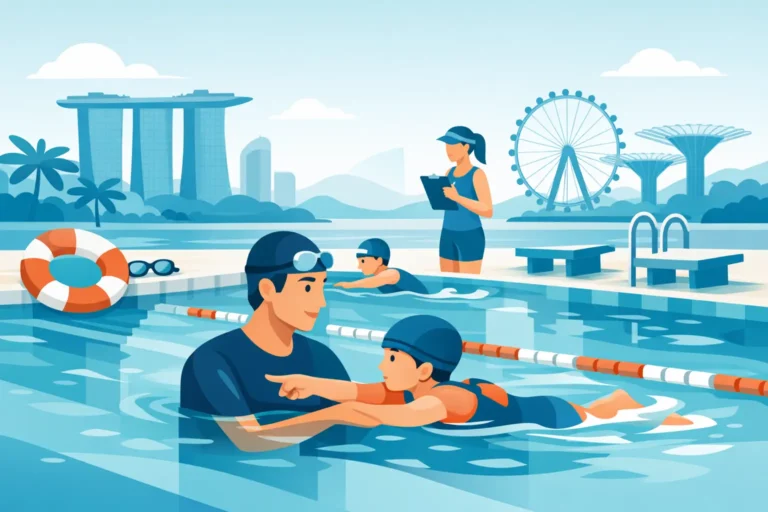
For many families, the decision comes down to progress. A weekly group class can be an excellent long-term learning environment, but private coaching gives the instructor more time to correct body position, breathing, kicking, and water-safety responses in the moment. That attention can be especially valuable when a learner has a specific goal or needs extra reassurance before moving forward.
When a private swim coach in Singapore is the right choice
Private lessons are most effective when there is a clear reason for individualized instruction. Some children learn well in a group but become distracted by activity around them. Others are capable swimmers who need targeted work to meet the requirements of their next SwimSafer stage. Adults may want privacy while overcoming a long-standing fear of water or improving stroke efficiency for fitness and triathlon training.
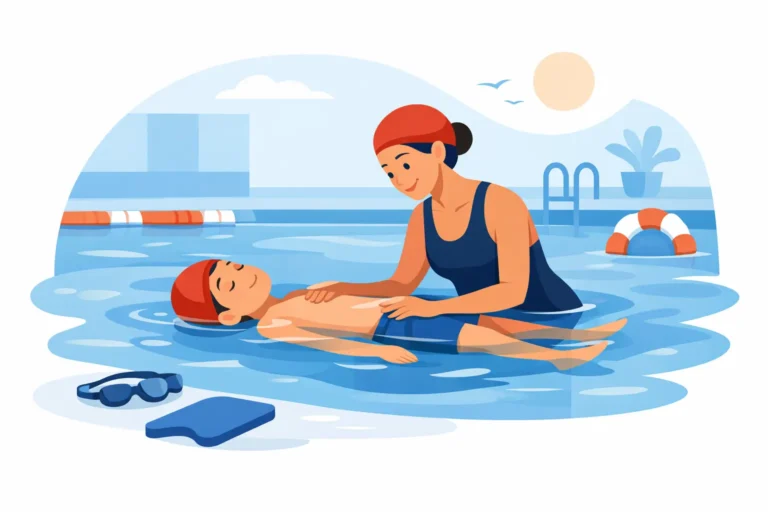
A private coach can adjust the lesson pace without asking the swimmer to wait for others or keep up with a class that is not quite right for them. If a child needs several sessions to become comfortable submerging, that time can be spent calmly and purposefully. If they are ready to refine front crawl breathing and floating skills, the lesson can move ahead with appropriate challenges.
Private coaching is also useful when consistency matters. A swimmer returning after a break, preparing for a holiday water activity, or working toward an assessment may benefit from a structured plan with specific targets for each session. The goal should never be to rush a learner through skills they do not understand. It is to remove unnecessary delays while keeping water safety at the center of progress.
What focused coaching should achieve
A good private lesson has a plan. The coach should identify the swimmer’s current ability, explain the next skills to develop, and teach in a sequence that makes sense. For a beginner, this often starts with safe pool entry, water familiarization, breath control, floating, and recovering to a secure position. These are not minor introductory exercises. They are the building blocks for independent movement in water.
For school-age swimmers, coaching may focus on stronger strokes, survival skills, treading water, distance, and confidence in deeper water. When SwimSafer certification is a goal, training should reflect the required practical and theory components rather than relying only on repeated laps. A swimmer needs to understand why a safe response is required, not just memorize what to do during a test.
For adults, the starting point may be very different. Some need a patient introduction to putting their face in the water. Others can swim but fatigue quickly because their breathing pattern and body alignment are inefficient. Personalized coaching allows these issues to be observed and corrected before they become frustrating habits.
The best outcome is visible improvement: a child who can recover after floating, a nervous adult who can move independently across the pool, or a test candidate who performs safety skills confidently under assessment conditions. Speed matters to many learners, but lasting competence matters more.
Private lessons are not only for beginners
There is a common assumption that one-to-one coaching is only for people who cannot swim. In practice, it can be just as useful for swimmers who have reached a plateau. A child may have passed an earlier stage but still struggle with coordination in front crawl. A teen may need technical refinement before joining a school team. An adult training for open-water events may need help with efficient breathing, endurance pacing, and confidence in unfamiliar conditions.
At these levels, small corrections can make a meaningful difference. A coach can identify whether a swimmer is lifting their head to breathe, dropping their hips, kicking from the knees, or losing rhythm during turns. Group classes can address technique, but private sessions provide more repeated feedback and immediate adjustment.
Choosing a private swim coach Singapore parents can trust
The coach’s ability to connect with a learner is important, but it should be supported by a structured teaching approach. Parents should look for instructors who can explain how lessons build from water confidence to survival skills, stroke development, and certification readiness. Experience with children is particularly valuable, because fear, distraction, and confidence can change from one lesson to the next.
Ask how progress is assessed. A strong program does not promise that every child will pass a stage within a fixed number of lessons. Readiness depends on attendance, age, confidence, prior exposure to water, and the complexity of the skills being assessed. Instead, the coach should be able to describe the target outcomes and the areas that still need practice.
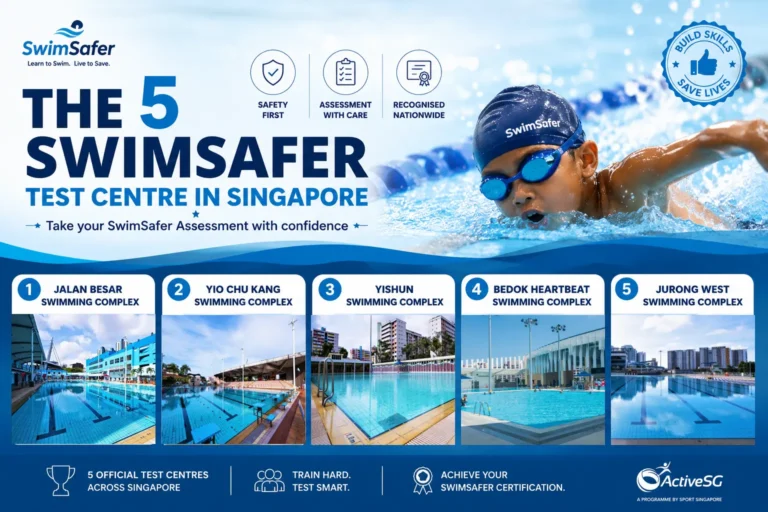
Location is another practical consideration in Singapore. Lessons at an accessible public pool make it easier for families to maintain attendance, and consistent attendance supports faster progress. A convenient schedule is not a small detail when parents are balancing school, work, and weekend commitments.
Safety standards should also be clear. Private instruction should include appropriate supervision, age-suitable tasks, and progressive exposure to deeper water. A child should not be pushed into an activity simply because it appears on a checklist. Confidence grows when the learner is challenged at the right level and knows how to respond if they feel unsettled.
Private, semi-private, or group lessons?
The best format depends on the learner’s goal. Private lessons provide maximum attention and are often suitable for fear management, focused technique correction, accelerated preparation, or highly individualized needs. They can also be a practical short-term option before a child transitions into a regular class.
Semi-private lessons can work well for siblings or friends with similar ability and goals. They offer more coaching attention than a larger group while allowing learners to practice alongside someone familiar. However, the pairing must be appropriate. If one swimmer is comfortable in deep water and the other is still anxious about submersion, separate instruction may be more productive.
Group classes remain valuable for many children because they develop independence, listening skills, and confidence around peers. They are often the right choice for steady weekly progression. Private coaching does not have to replace group learning. It can complement it, especially before an assessment, after a missed period of training, or when a specific skill needs focused attention.
Preparing for SwimSafer with individual coaching
SwimSafer progression involves more than completing strokes. Learners are expected to demonstrate water safety awareness, survival responses, and practical skills appropriate to their stage. Private coaching can help identify gaps before they become a problem during an assessment.
For example, a swimmer may be comfortable swimming a distance but hesitate during a floating sequence, struggle to interpret an instruction, or lose confidence when asked to perform skills in order. A coach can recreate test-style conditions, explain expectations clearly, and provide targeted repetition without turning every lesson into a stressful exam.
AQZOG’s approach to private coaching is built around this type of structured progression: developing safe, capable swimmers who understand the skills they are practicing and are prepared for the next milestone. Mock practical preparation and theory support can be particularly helpful when a learner needs clarity before a formal test.
Helping a child get more from private lessons
Parents can support progress without becoming a second coach at the pool. Arrive early enough for the child to settle in, bring suitable swimwear and goggles if needed, and keep the message simple: listen, try, and ask for help when unsure. Avoid promising rewards for passing or comparing progress with siblings and friends. Those pressures can make a nervous learner more hesitant.
Between lessons, brief exposure to water can help when it is safe and supervised. Practice should reinforce familiar skills rather than introduce new ones without instruction. Most importantly, recognize progress that may not appear on a certificate yet: putting a face in the water, floating with less support, or entering the pool calmly are real steps toward independence.
A private swim coach can provide valuable momentum, but the strongest results come from a clear plan, regular practice, and a pace that protects the swimmer’s confidence. Whether the goal is a child’s first safe float, SwimSafer readiness, or an adult’s return to the water, the right coaching should leave the learner more capable each time they step out of the pool.