SwimSafer or Regular Lessons: Which Is Right?
A child may be able to paddle across a pool and still not know what to do after an unexpected fall into deep water. That is the practical difference parents should consider when choosing SwimSafer or regular lessons. Both can build confidence and swimming ability, but they are designed around different outcomes.
Regular lessons may focus primarily on stroke development, comfort in the water, and steady improvement at a child’s own pace. SwimSafer training combines swimming skills with water survival, personal safety knowledge, rescue awareness, and formal stage progression. The better option depends on your child’s starting point, your family’s goals, and whether certification readiness matters to you.
SwimSafer or Regular Lessons: The Core Difference
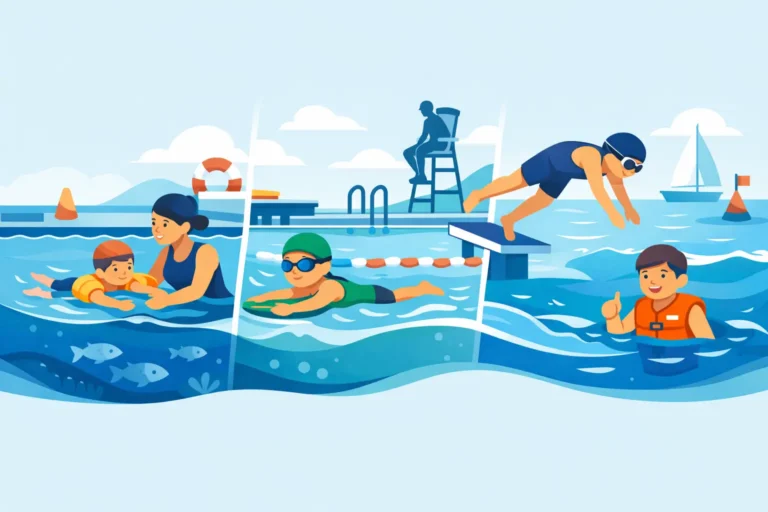
SwimSafer is a structured water safety and swimming progression program. It does not treat swimming as only a sport or leisure activity. Children learn how to enter and exit water safely, regain composure after entering the water, float, move through water, identify hazards, and respond appropriately in different aquatic situations. As they progress, they also develop stronger swimming strokes, endurance, and lifesaving awareness.
Regular swimming lessons are a broader category. A good regular program can still be structured, safety-conscious, and highly effective. However, the lesson plan may place more emphasis on foundational skills such as kicking, breathing, freestyle, breaststroke, backstroke, and confidence in deeper water. Some regular classes follow a school’s internal level system rather than a national certification pathway.
The distinction is not that one approach teaches safety and the other does not. Responsible coaches teach safety in every lesson. The difference is that SwimSafer makes water survival and assessed progression central to the program, while regular lessons can be more flexible around stroke goals, pace, and individual interests.
When SwimSafer Is the Better Choice
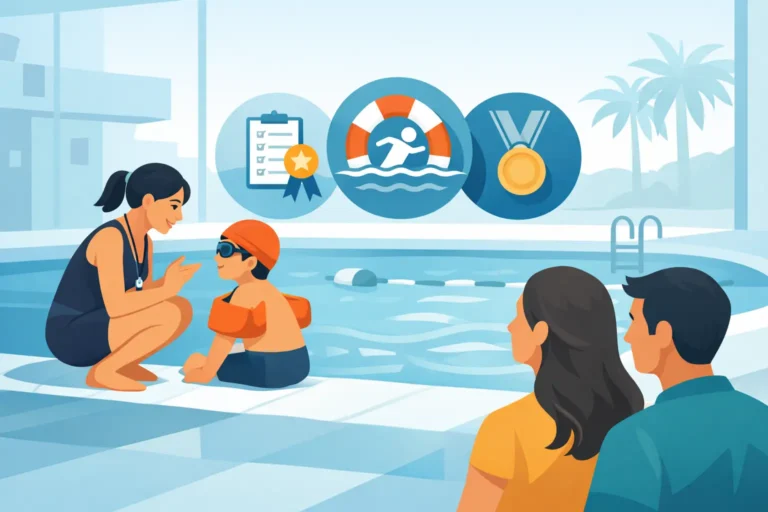
SwimSafer is often the stronger fit for school-age children whose parents want visible milestones and formal readiness for practical assessment. It gives families a clear answer to an important question: beyond swimming a few strokes, can my child respond safely and confidently in the water?
This pathway is especially valuable for children who use public pools, attend school swimming activities, join water-based camps, or spend time at beaches and resorts. Water environments are unpredictable. A child who practices controlled strokes in a familiar lane still needs the awareness to recognize depth changes, manage panic, and conserve energy when tired.
Parents may prefer SwimSafer when they want their child to work toward a recognized stage rather than simply attend lessons week after week. Stage-based instruction creates measurable targets. Children know what they are practicing, coaches can identify gaps early, and parents can see whether their child is progressing in water confidence, survival skills, technique, and knowledge.
SwimSafer can also motivate children who enjoy working toward a goal. Passing a stage is not just about collecting a certificate. It recognizes that the child has demonstrated specific practical skills and understands key safety concepts. For many learners, that achievement builds the confidence to continue rather than stop once they can swim a basic lap.
Test preparation needs more than casual practice
A child may be comfortable in class but still struggle during a practical assessment. Tests introduce instructions, sequence requirements, unfamiliar pressure, and the need to demonstrate skills independently. This is why targeted preparation, mock practical tests, and theory review can be useful before assessment.
The goal should never be to rush a child into a stage before they are ready. Strong preparation means practicing the required skills until they are consistent, not relying on one good attempt. A child who understands why a survival skill matters is usually more composed than one who has memorized a sequence without confidence.
When Regular Lessons Make More Sense
Regular lessons can be the right starting point for toddlers, very young children, complete beginners, and learners with water fear. At this stage, the immediate priority may be learning to relax, put the face in the water, blow bubbles, float with support, and trust the instructor. Pushing formal stage requirements too early can make some children feel pressured rather than encouraged.
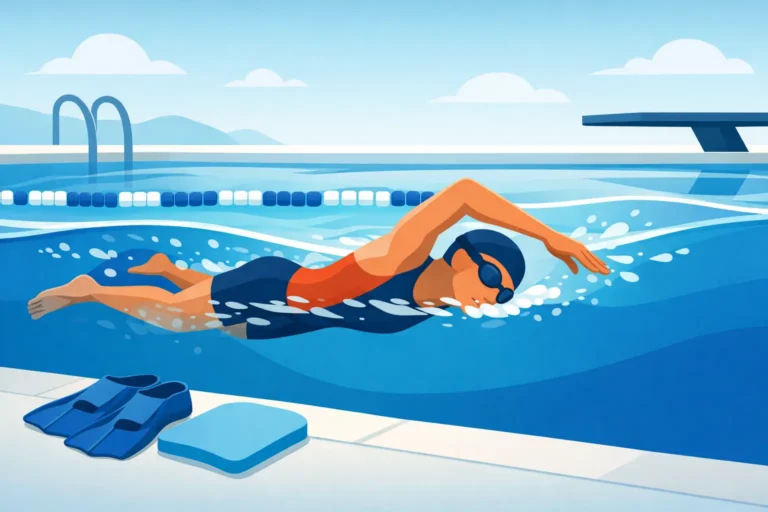
A regular class is also a practical choice for families whose main goal is stroke development. Perhaps your child already has water safety foundations but wants to improve freestyle breathing, refine breaststroke timing, build lap endurance, or prepare for a school team. In that case, a technique-focused program or private coaching may deliver faster results than a broad certification track.
Regular lessons are not a lesser option. The quality depends on the coach, class size, lesson structure, and whether skills are taught progressively. A well-run program should still include safe pool behavior, controlled entries, floating, deep-water confidence, and age-appropriate awareness. It simply may not follow the same assessment framework as SwimSafer.
For adults, regular lessons are usually the more natural route. Adult beginners often need personalized support to overcome fear, improve breathing control, and develop practical swim skills for fitness or travel. Adults training for triathlon or open-water goals may need stroke efficiency and endurance work first, then add water safety and survival training where relevant.
Consider Your Child’s Readiness, Not Just Their Age
Two children of the same age can need very different lesson pathways. One may be ready to tread water independently and listen carefully to multi-step instructions. Another may still be building comfort with submerging or separating from a parent at the pool edge. Readiness matters more than comparing children with friends or classmates.
Look at how your child responds to challenges in the pool. Can they remain calm after a splash or unexpected water entry? Do they follow safety instructions consistently? Can they repeat a skill across several lessons, not only when they feel especially confident? These observations help determine whether a structured SwimSafer stage is appropriate now or whether more foundation work will produce a better outcome later.
A responsible coach should be willing to recommend the right level rather than place every child into the same program. AQZOG uses structured progression to help families match lessons to ability, whether the immediate need is water introduction, stroke development, SwimSafer training, or focused test readiness.
Questions to Ask Before Enrolling
Before choosing a program, ask how the school evaluates a new learner and how often parents receive progress updates. You should understand whether classes are organized by age, ability, or both, and what a child must demonstrate before moving up.
Ask how water survival skills are taught. A program that only practices strokes in shallow water may not adequately prepare a child for deeper or unfamiliar environments. Also ask whether the coach provides assessment preparation for families pursuing SwimSafer, including opportunities to practice under test-like conditions.
Class format matters as well. Weekly group lessons often suit children who benefit from routine, peer learning, and gradual progression. Private lessons can help a fearful beginner, a child who needs faster correction, or a learner preparing for a specific assessment. Semi-private coaching may work well for siblings or friends at a similar level, provided their needs are genuinely aligned.
Convenience should support consistency, not replace quality. A nearby pool makes it easier to attend regularly, but reliable progress comes from qualified coaching, a clear curriculum, and enough practice time between milestones.
A Practical Way to Decide
Choose SwimSafer when your priority is a structured safety pathway, formal stage progression, and preparation for assessment. It is particularly suitable for children who are already reasonably comfortable in the water and are ready to build independence, judgment, and all-round aquatic competence.
Choose regular lessons when the child needs foundational confidence, wants to focus on stroke technique, or has goals that do not require immediate certification. This can be the ideal first step before entering SwimSafer training later. Many successful swimmers begin with general water confidence and then move into a more formal safety pathway once their basics are secure.
The best lesson is the one that gives your child the next skill they truly need. Whether that is a calm first float, a stronger freestyle, or the confidence to complete a water survival sequence independently, steady coaching and consistent practice will turn pool time into a life skill that stays with them.