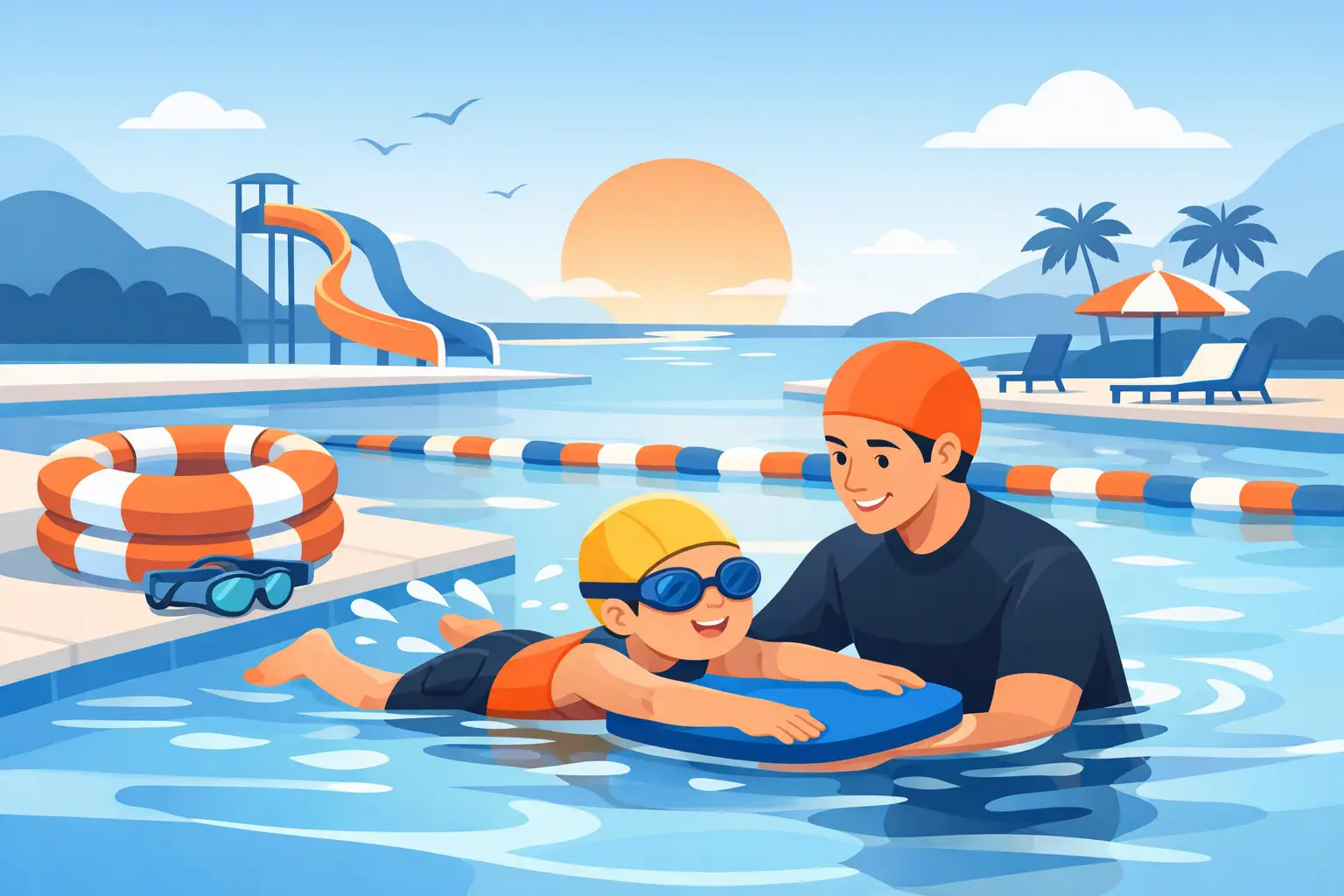
June Holiday SwimSafer for Fast Progress
When school breaks start, many parents see the same pattern – routines loosen, screen time grows, and skill-building often gets pushed aside. A june holiday swimsafer program changes that. It gives children a focused window to improve water confidence, strengthen survival skills, and move toward formal SwimSafer progression while their schedules are still flexible.
For many families, June is not just a convenient time for swimming. It is one of the most effective times to make real progress. Children learn faster when they practice consistently over a short period, especially in a structured environment with clear coaching goals. That matters even more for SwimSafer, where technique, confidence, safety awareness, and test readiness all need to come together.
Why June holiday SwimSafer works so well
Weekly lessons are valuable because they build long-term habits. But holiday training offers something different. It compresses learning into a shorter timeframe, which often helps children retain skills better and build momentum from one session to the next.
A child who struggles with floating, kicking, or breath control on a week-to-week schedule may suddenly improve when those same skills are reinforced several times within the same week. There is less time to forget, more time to repeat, and a stronger sense of continuity. For beginners, that can mean faster comfort in the water. For children already on the SwimSafer pathway, it can mean more polished technique and better assessment readiness.
There is also a practical advantage. During the school term, children are balancing homework, enrichment, and packed family schedules. In June, parents have more room to place swimming into the calendar intentionally. Instead of squeezing learning into an already crowded week, they can give it proper attention.
What a good SwimSafer holiday program should focus on
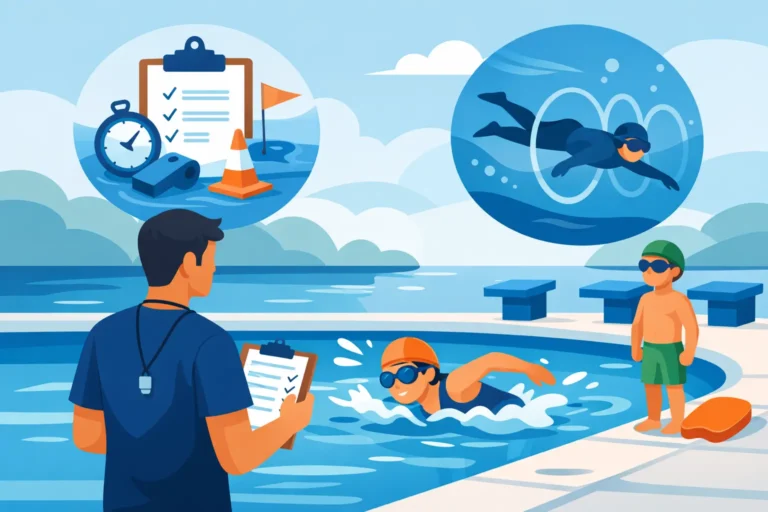
Not every holiday swim class is built for meaningful progression. Some are casual and recreational, which can be enjoyable but may not support measurable improvement. A strong June holiday SwimSafer program should be structured around outcomes.
That means children should not simply be kept busy in the pool. They should be working through skills that connect directly to their current level. Depending on ability, that may include water entry and exit, breath control, front and back floats, kicking, stroke development, safe movement through water, and basic survival responses. For children preparing for assessment, sessions should also address the consistency and confidence needed under test conditions.
This is where coaching quality matters. Instructors need to know how to break down skills into manageable steps, correct errors early, and build confidence without rushing the learner. Fast progress is possible, but only when progression is taught in the right order.
June holiday SwimSafer is not only for strong swimmers
One common misunderstanding is that SwimSafer holiday programs are only suitable for children who already swim well. In reality, they can be highly effective for beginners too, provided the program is matched to the learner.
A beginner needs a careful start. The first goals are usually comfort, trust, and body control in the water. If a child is fearful, the program should not jump straight into test-focused drills. It should first build familiarity through structured instruction, clear routines, and small wins. Once confidence improves, skill development becomes much faster.
For intermediate swimmers, holiday training often helps smooth out weaknesses that have been slowing down progression. A child may be able to swim a short distance but still struggle with breathing rhythm, streamlining, or backstroke control. Intensive practice helps those details improve. That can make the difference between being almost ready and truly prepared.
For stronger swimmers, the holiday period is useful for polishing technique, improving stamina, and practicing the exact standards expected in SwimSafer stages. These learners usually benefit from more focused correction and repeated test-style practice.
What parents should look for before enrolling
The right fit depends on your child’s current stage, comfort level, and learning pace. A holiday program should feel purposeful, not generic.
Start by checking whether the lessons are structured around clear progression. Parents should know if the class is for water confidence, stroke development, SwimSafer stage training, or assessment preparation. If everything is grouped too broadly, weaker swimmers may feel overwhelmed while stronger swimmers may not be challenged enough.
Class size is another important factor. Smaller groups usually allow for more correction and better supervision, which matters for both safety and skill development. Private or semi-private lessons may be a better option for children who are anxious, have very specific weaknesses, or need faster improvement within a short holiday period.
It also helps to ask how the coach manages readiness for certification. A good program does not promise a pass to every child within a fixed number of lessons because progress depends on the learner. What it should promise is structured teaching, honest feedback, and targeted preparation based on actual ability.
The link between SwimSafer and real water safety
Parents often focus on certificates, and that is understandable. Formal progression gives children goals and a clear sense of achievement. But the real value of SwimSafer goes beyond certification.
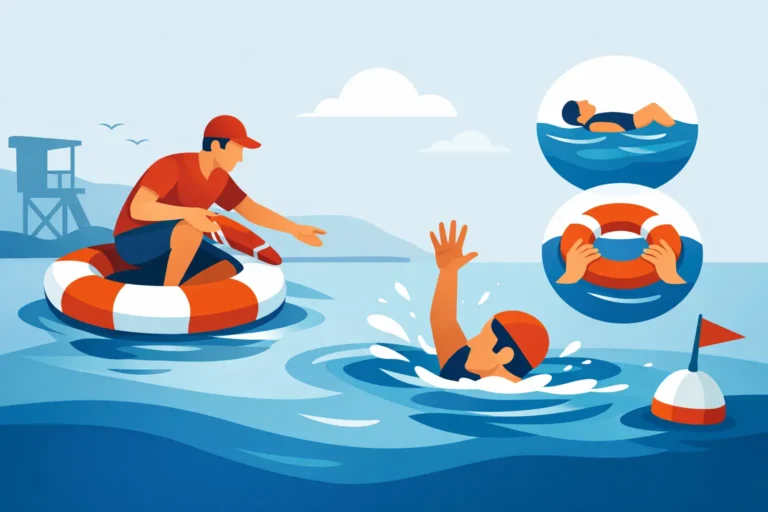
A well-run program teaches children how to behave safely around water, how to control themselves when uncomfortable, and how to respond with more calm and competence in the pool. Those are not minor benefits. They are the foundation of water safety.
This is why holiday training can be so worthwhile. In a concentrated learning period, children are not just memorizing tasks for a test. They are practicing habits that support survival and confidence. Floating, breathing, turning, and moving efficiently through water are all functional skills. The certificate matters, but the safety outcome matters more.
How intensive training affects confidence
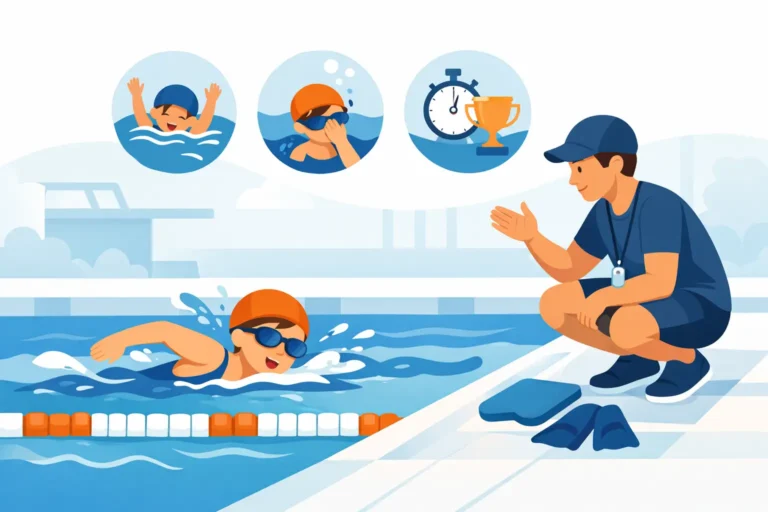
Confidence in swimming does not come from praise alone. It comes from repeated success. A child becomes more confident after entering the water without fear, completing a float independently, or swimming a distance they could not manage before.
The June holiday format creates more opportunities for those success moments because practice is frequent. A child can improve on Monday, reinforce the skill on Wednesday, and perform it more independently by Friday. That rhythm often feels more rewarding than waiting a full week between lessons.
There is a trade-off, though. Intensive schedules are helpful, but they still need to match the child’s energy and readiness. Some children respond well to multiple sessions in a week. Others do better with a moderate pace that leaves room for recovery and reflection. Effective coaching recognizes that faster is not always better if it comes at the expense of confidence or technique.
Choosing the right pathway during the school break
Some families use June to start swimming from zero. Others use it to prepare for a SwimSafer assessment, catch up after slow progress, or move from general swim lessons into a more formal certification pathway. Each reason is valid, but the training plan should match the goal.
If your child is new to swimming, the best holiday program is one that builds foundations first. If your child has already been attending lessons, June may be the right time to intensify training and target the next stage. If an assessment is approaching, mock practice and focused correction become especially important.
Adults can benefit from the same logic. While SwimSafer is commonly associated with children, school breaks also create a useful opportunity for adult beginners or skill-focused swimmers to train more consistently. The principle stays the same – structured repetition leads to stronger confidence and clearer progress.
An experienced swim school such as AQZOG understands that progression is not one-size-fits-all. The strongest results come from placing each learner in the right setting, with the right level of coaching, and a clear target for improvement.
Making the most of a june holiday swimsafer program
Parents can support progress without adding pressure. Arriving on time, keeping attendance consistent, and helping children rest properly between sessions all make a difference. So does having realistic expectations. Not every child will complete a stage within one holiday block, but many will become noticeably safer, more skilled, and more confident.
That is often the real win. A child who starts June hesitant about putting their face in the water may end the break floating, kicking, and approaching lessons with far less fear. A child who was stuck at one level may finally develop the control needed for the next step. Those gains are meaningful because they build toward long-term competence, not just short-term activity.
The best time to build swimming ability is before it feels urgent. June gives families that chance – a focused season to strengthen water safety, accelerate learning, and give children skills that stay with them long after the holiday ends.