Best SwimSafer Preparation Checklist
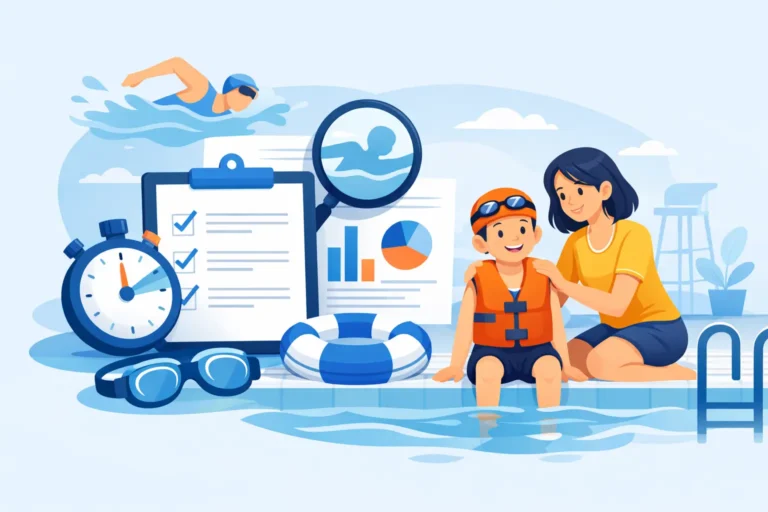
A child who swims well during lessons can still struggle on assessment day. The reason is usually not a lack of ability. It is often a gap in routine, familiarity, or confidence. That is why the best SwimSafer preparation checklist is not just about strokes. It is about making sure the swimmer is physically ready, mentally settled, and clearly prepared for the exact demands of the stage test.
For parents, this matters because SwimSafer is more than a badge or certificate. It is a structured benchmark for water safety, survival skills, and swimming progress. For adult learners taking stage-based training, the same principle applies. Test readiness comes from consistent skill execution under assessment conditions, not from occasional good performance in class.
What the best SwimSafer preparation checklist should actually cover
A strong checklist starts with one simple question – can the swimmer perform the required skills reliably, not just sometimes? In training, many learners complete a task after repeated prompting, extra rest, or correction mid-attempt. In an assessment, that margin is smaller.
The best SwimSafer preparation checklist should therefore cover five areas: stage-specific skills, water confidence, listening and test behavior, physical readiness, and practical test-day planning. If one of these areas is weak, the swimmer may underperform even if their basic technique looks acceptable during normal lessons.
This is especially true for younger children. A child may know how to kick, float, and move through the water, but if they panic when asked to start alone, forget the sequence of a drill, or become distracted in a group setting, their performance can drop quickly.
Confirm the exact stage requirements first
Before working on preparation, parents need clarity on the swimmer’s current SwimSafer stage and its expected outcomes. This sounds obvious, but it is one of the most common issues. Some families prepare generally for “swimming test skills” without checking which exact competencies are being assessed.
Each stage builds differently. Early stages focus more heavily on water confidence, breathing control, floating, and safe movement. Higher stages place greater demands on stroke technique, coordination, stamina, and survival understanding. Preparing for the wrong standard wastes time and creates frustration.
If the learner is borderline between stages, avoid assuming that passing one or two advanced skills means they are ready overall. Assessment standards usually depend on complete performance across multiple items, not isolated strengths.
Readiness is about consistency, not one good lesson
A swimmer is usually ready when they can repeat the required skills across multiple sessions with minimal prompting. If success depends on the coach standing nearby, reminding every step, or restarting the task, more preparation is usually needed.
This is where experienced coaching makes a difference. Structured SwimSafer preparation should identify whether the issue is technical weakness, confidence, endurance, or attention. Those are very different problems, and they need different solutions.
Build stroke and survival skills together
Many parents focus mainly on front stroke distance. That is understandable because distance is easy to notice. But SwimSafer assessments are designed around broader water competence. A child who can move forward but cannot float calmly, recover posture, control breathing, or demonstrate safe water behavior may not be truly test-ready.
Good preparation should include practice in streamlining, kicking rhythm, basic stroke coordination, breathing timing, floating control, and safe entry or exit when required. For some swimmers, the biggest barrier is not propulsion. It is body position and calmness in the water.
That trade-off matters. Pushing for more speed before the swimmer has stable breathing often leads to rushed movements and fatigue. On the other hand, spending too long on comfort without progressing toward measurable stage skills can delay readiness. The right balance depends on the swimmer’s age, confidence level, and current stage.
The best SwimSafer preparation checklist for parents
Parents do not need to become swim coaches, but they do need a clear view of what supports progress. The most useful checklist is practical and specific.
First, confirm that the swimmer knows the required skills for the correct stage and can perform them with limited assistance. Second, check whether the child can listen, wait for instructions, and follow simple test sequences without becoming unsettled. Third, make sure the swimmer is comfortable in the pool environment, including deeper water if that applies to the stage.
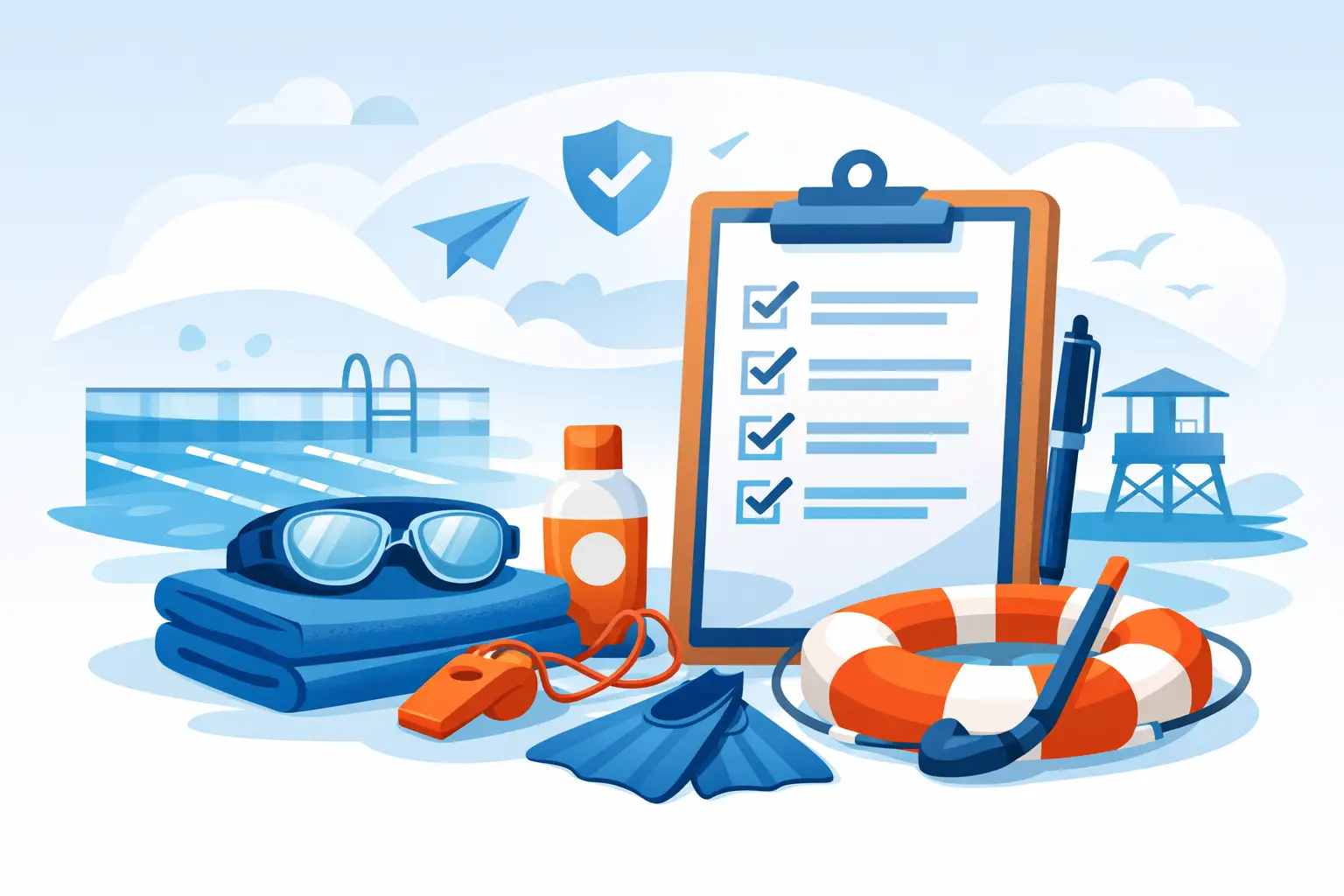
Physical condition also matters. A tired child who slept late, skipped breakfast, or has not trained consistently may show weaker breathing control and poorer focus. Equipment should be simple and familiar. Well-fitted goggles, a comfortable swim cap if used, a towel, and a change of clothes are basic, but they reduce unnecessary stress.
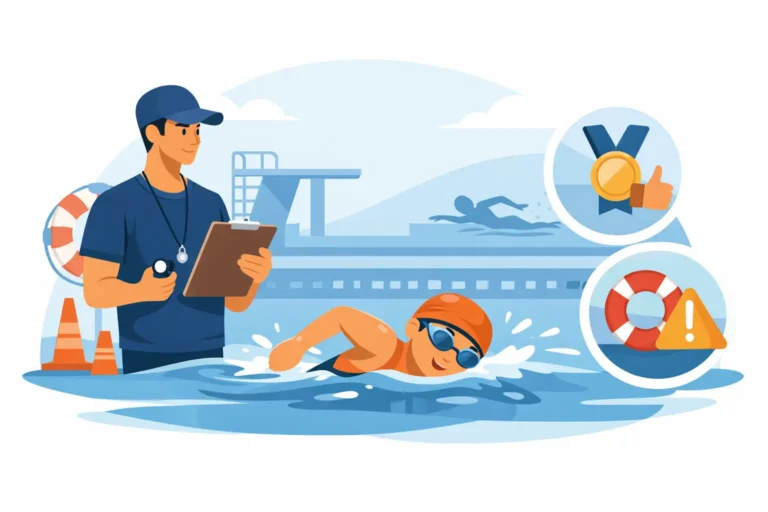
Finally, prepare for the assessment format itself. Swimmers should understand that the test is not a race and not a normal play session. They need to listen carefully, complete one task at a time, and stay calm if they make a small mistake.
Watch for the common signs of incomplete preparation
There are several warning signs that a swimmer may need more time. One is inconsistency – they complete the skill one week and cannot do it the next. Another is visible anxiety before trying a required task, especially floating, submersion, or swimming without close support.
A third is rapid fatigue. If the swimmer starts well but loses form halfway, the issue may be endurance rather than technique. A fourth is dependence on encouragement for every step. Encouragement is helpful, but assessment requires a degree of independent performance.
Prepare the mind, not just the body
Test anxiety in the pool often looks different from school exam stress. Some children become overly excited and stop listening. Others go quiet, freeze, or rush through tasks. Adult learners may overthink technique and tense up, especially when asked to perform under observation.
The solution is simple but important – make practice feel structured and predictable. Swimmers should get used to hearing a clear instruction, performing the task once, and waiting for the next cue. Mock test practice is useful because it reduces the shock of being assessed formally.
Language used at home also matters. Avoid telling a child they “must pass” or that the test is a big event. That can create pressure without improving readiness. It is better to frame the assessment as a chance to show what they have already learned.
Use lessons wisely in the final weeks
The last few weeks before assessment should not be a period of random extra practice. They should be focused on correction, repetition, and confidence building. If a swimmer has one or two weak items, those need targeted work rather than general lap swimming.
This is where private coaching or mock practical testing can help some learners more than extra group repetition. In a group class, the swimmer benefits from routine and peer pacing. In a private setting, specific weaknesses can be corrected faster. Neither is automatically better. It depends on whether the main issue is technical detail, confidence, or familiarity with test flow.
For families who want faster, more structured preparation, AQZOG often sees the best results when swimmers train with a clear stage plan rather than waiting for readiness to happen naturally over time.
Test-day preparation should be calm and simple
On assessment day, avoid changing anything unnecessarily. Do not introduce new goggles, a different swim cap, or a rushed meal routine. Arrive early enough that the swimmer can settle, use the restroom, and listen to instructions without hurry.
A light meal beforehand is usually better than swimming on an empty stomach, but avoid heavy foods immediately before the test. Encourage the swimmer to breathe normally, stand still when listening, and focus only on the current task. If one skill feels imperfect, that should not affect the next one.
Parents also help by staying composed. Children often mirror adult emotions. A calm parent supports a calm swimmer.
When to postpone instead of pushing through
Sometimes the best decision is not to proceed yet. If the swimmer has been inconsistent, unwell, unusually anxious, or recently absent from training, pushing into assessment can damage confidence. A failed attempt is not the end of progress, but an avoidable one can make the next test harder emotionally.
Delaying makes sense when the gap is clear and fixable. It makes less sense when the swimmer is broadly ready but simply nervous. In that case, more delay can increase anxiety rather than reduce it. This is why honest assessment from an experienced coach is so valuable.
SwimSafer preparation works best when it is structured, realistic, and steady. Skills need to be test-ready, but the swimmer also needs to feel safe, capable, and clear about what to do. When those pieces come together, assessment day becomes far less stressful and much more predictable.
The most helpful preparation is rarely dramatic. It is usually a series of small, consistent steps that turn ability into confidence and confidence into performance.