
Early Childhood Aquatic Sensory Experience at ActiveSG Pool Singapore
Early Childhood Aquatic Sensory Experience at ActiveSG Pool Singapore
A Guide for Parents, Educators & Caregivers


Do you know Kid that learn swimming are Smarter?
Introduction: Why Early Childhood Aquatic Sensory Experience Matters in Singapore
Early childhood swimming intervention is no longer just an enrichment activity—it is a critical life skill in a water-centric country like Singapore. With public pools, coastal parks, water playgrounds, and school swimming programmes forming part of daily life, introducing children to water safely and progressively at a young age can make a lifelong difference.
At ActiveSG pools, early swimming intervention focuses on water confidence, motor development, safety awareness, and cognitive growth, rather than just “learning strokes.” This structured and age-appropriate approach supports children from infancy through preschool years, preparing them for national programmes such as SwimSafer™ while reducing fear and risk around water.
What Is Early Childhood Aquatic Sensory Experience?
Early childhood swimming intervention refers to structured aquatic exposure and guided learning for children aged 6 months to 6 years. Unlike traditional swimming lessons that focus on technique, intervention programmes emphasise:
- Water familiarisation
- Emotional regulation in aquatic environments
- Parent-child bonding
- Development of survival responses
- Progressive independence in water
These programmes are typically conducted in public pools such as ActiveSG, where children adapt early to standard pool conditions rather than warm private tubs.
Why ActiveSG Pools Are Ideal for Early Aquatic Sensory Experience
1. Real-World Water Environment
ActiveSG pools use regulated public-pool water, helping children adapt early to the same conditions they will encounter in school swimming lessons and SwimSafer assessments. This removes a major transition barrier later in life.
2. Accessibility Across Singapore
With locations in Clementi, Delta, Bishan, Bukit Batok, Seng Kang, Canberra and more, ActiveSG pools allow families to access consistent early childhood swimming intervention close to home.
3. Safety-First Infrastructure
- Lifeguard supervision
- Shallow teaching pools
- Clear pool rules and emergency readiness
These factors make ActiveSG pools a safe and controlled environment for early learners.
Key Benefits of Early Childhood Aquatic Sensory Experience
Water Confidence Before Water Competence
Children who undergo early aquatic exposure show:
- Reduced fear of submersion
- Better breath control
- Calm responses to splashes and waves
Confidence always comes before technique.
Cognitive & Motor Skill Development
Aquatic movement stimulates:
- Bilateral coordination
- Balance and spatial awareness
- Neuromuscular control
These skills translate into better performance on land, especially in early childhood education.
Drowning Prevention Through Familiarity
Early exposure does not teach children to “save themselves,” but it reduces panic, improves body awareness, and encourages safer behaviour near water.
Smoother Transition to SwimSafer™
Children with early intervention experience:
- Adapt faster to group lessons
- Understand instructor cues better
- Show stronger floating and propulsion readiness
What a Good Early Childhood Aquatic Sensory Programme Includes
1. Parent-Accompanied Learning (Infant & Toddler Phase)
Parents play an active role in:
- Supporting emotional security
- Reinforcing cues
- Building trust in water
2. Progressive Independence (Preschool Phase)
As children grow, lessons evolve to include:
- Short independent movements
- Instructor-led activities
- Simple survival concepts like turning and holding
3. Play-Based Structure with Purpose
Songs, toys, colours, and storytelling are used strategically, not randomly, to reinforce learning outcomes.
Early Intervention vs Traditional Swimming Lessons
| Aspect | Early Childhood Aquatic Sensory Experience | Traditional Lessons |
|---|---|---|
| Age Group | 6 months – 6 years | 6 years and above |
| Focus | Confidence, safety, development | Stroke technique |
| Parent Involvement | High (initially) | Minimal |
| Learning Style | Play-based & guided | Instruction-based |
| Venue | ActiveSG pools (public) | Private or public |
Why Singapore Parents Are Choosing Early Aquatic Sensory Experience at ActiveSG
- Aligns with MOE and SwimSafer pathways
- Affordable and accessible
- Builds resilience and independence early
- Supports holistic childhood development
In a fast-paced city like Singapore, early childhood swimming intervention is a proactive investment, not a luxury.
Why Start Early?
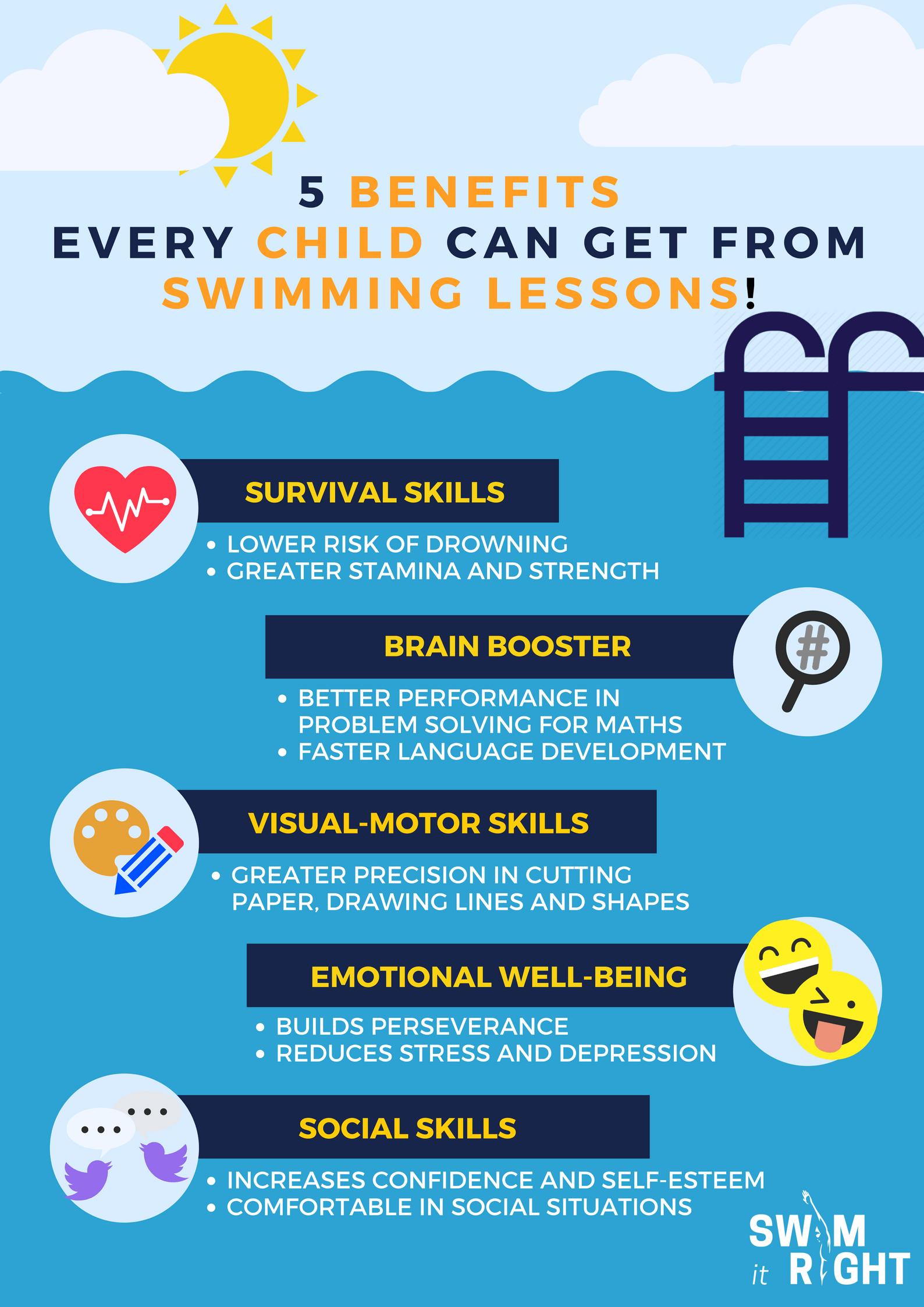
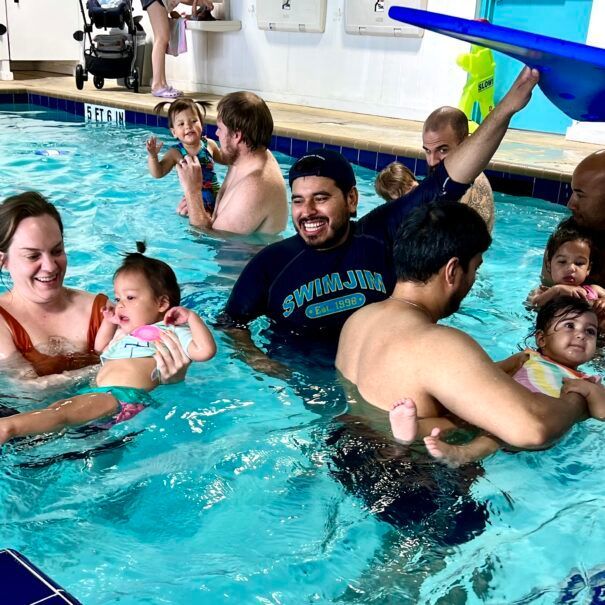
Early Childhood Swimming at ActiveSG Pools
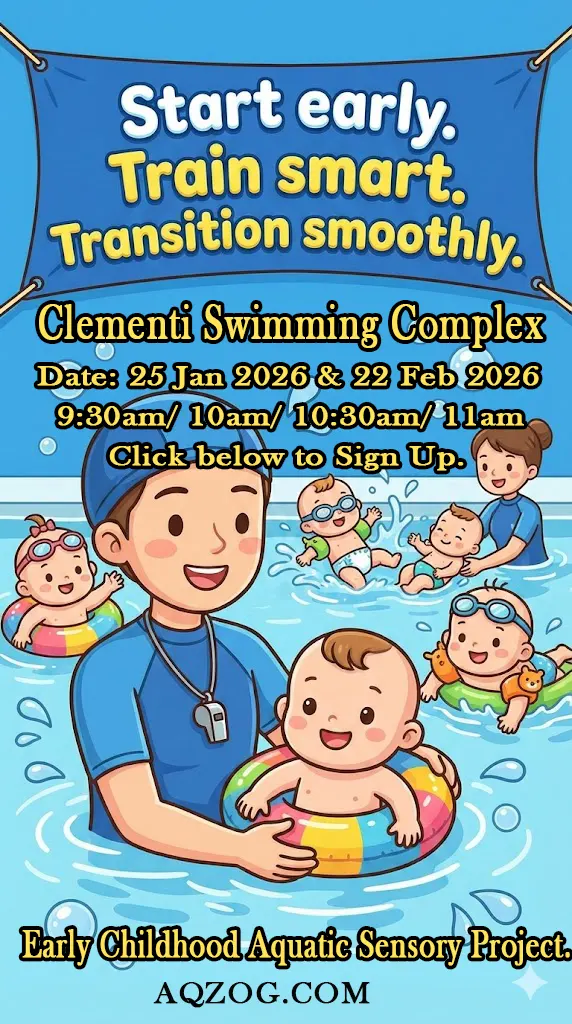
Event Sign Up
How Early Childhood Aquatic Sensory Experience Supports Long-Term Success
Children who begin early are more likely to:
- Enjoy swimming instead of fearing it
- Persist through SwimSafer stages
- Develop lifelong aquatic habits
- Participate confidently in water sports
This aligns with Singapore’s national focus on water safety and drowning prevention.
Frequently Asked Questions (FAQ)
1. What age should my child start early childhood Aquatic Sensory Experience?
Children can start as early as 6 months old, provided programmes are age-appropriate and parent-accompanied.
2. Is early childhood Aquatic Sensory Experience safe at ActiveSG pools?
Yes. ActiveSG pools are regulated, supervised by lifeguards, and suitable for structured early intervention when conducted by trained instructors.
3. Will my child learn proper swimming strokes?
Not immediately. The goal is confidence, familiarity, and readiness, which forms the foundation for stroke learning later.
4. Does early Aquatic Sensory Experience reduce drowning risk?
It helps reduce panic and builds safer responses around water, but adult supervision remains essential at all times.
5. How is this different from private baby swimming classes?
ActiveSG-based intervention prepares children for real public pool conditions, ensuring smoother progression into school and SwimSafer programmes.
6. Can early Aquatic Sensory Experience help shy or water-fearful children?
Yes. Gradual exposure and play-based learning are especially effective for children with water anxiety.
7. How long before my child is ready for SwimSafer Stage 1?
Most children transition comfortably between 4–6 years old, depending on exposure frequency and confidence level.
Conclusion: Building Water Confidence Early at ActiveSG Pools
Early childhood swimming intervention at ActiveSG pools in Singapore is a proven, practical, and forward-thinking approach to raising confident, water-safe children. By focusing on emotional readiness, motor development, and gradual independence, parents give their children the best possible start in the water—long before formal assessments begin.
If your goal is not just to teach swimming, but to build a healthy, confident relationship with water, early intervention is the smartest first step.