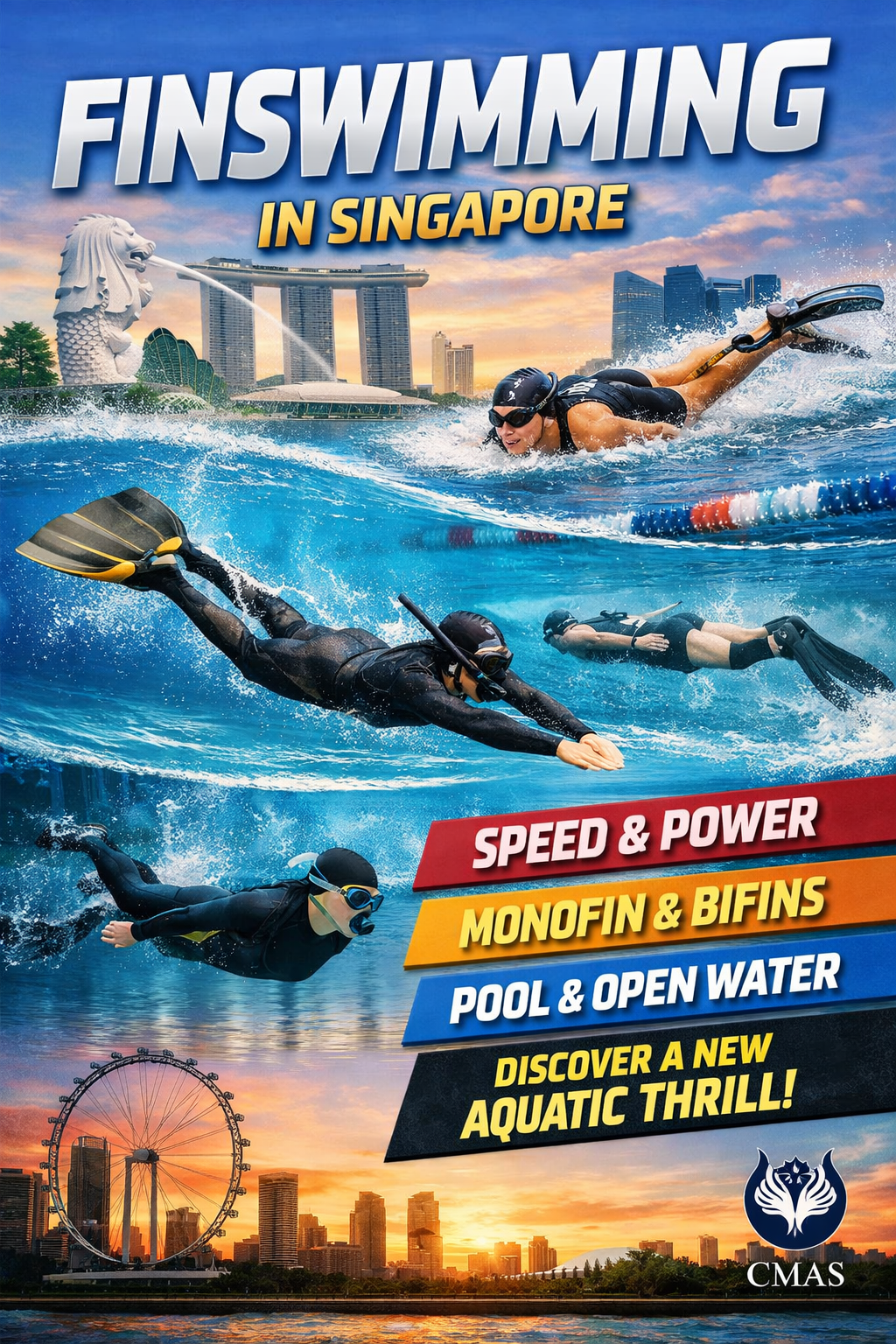
Finswimming in Singapore
Finswimming in Singapore – Another Aquatic Sport to Add to Your Bucket List


4
If you love swimming, diving, or high-speed water sports, finswimming in Singapore should be the next aquatic adventure on your bucket list. Sleek, powerful, and visually stunning, finswimming transforms the human body into a dolphin-like propulsion machine using specialized fins. It is fast, technical, and incredibly exciting — yet still relatively unknown compared to mainstream aquatic sports.
In a nation surrounded by water and passionate about aquatic development, Singapore is the perfect place to explore this dynamic sport.
What Is Finswimming?
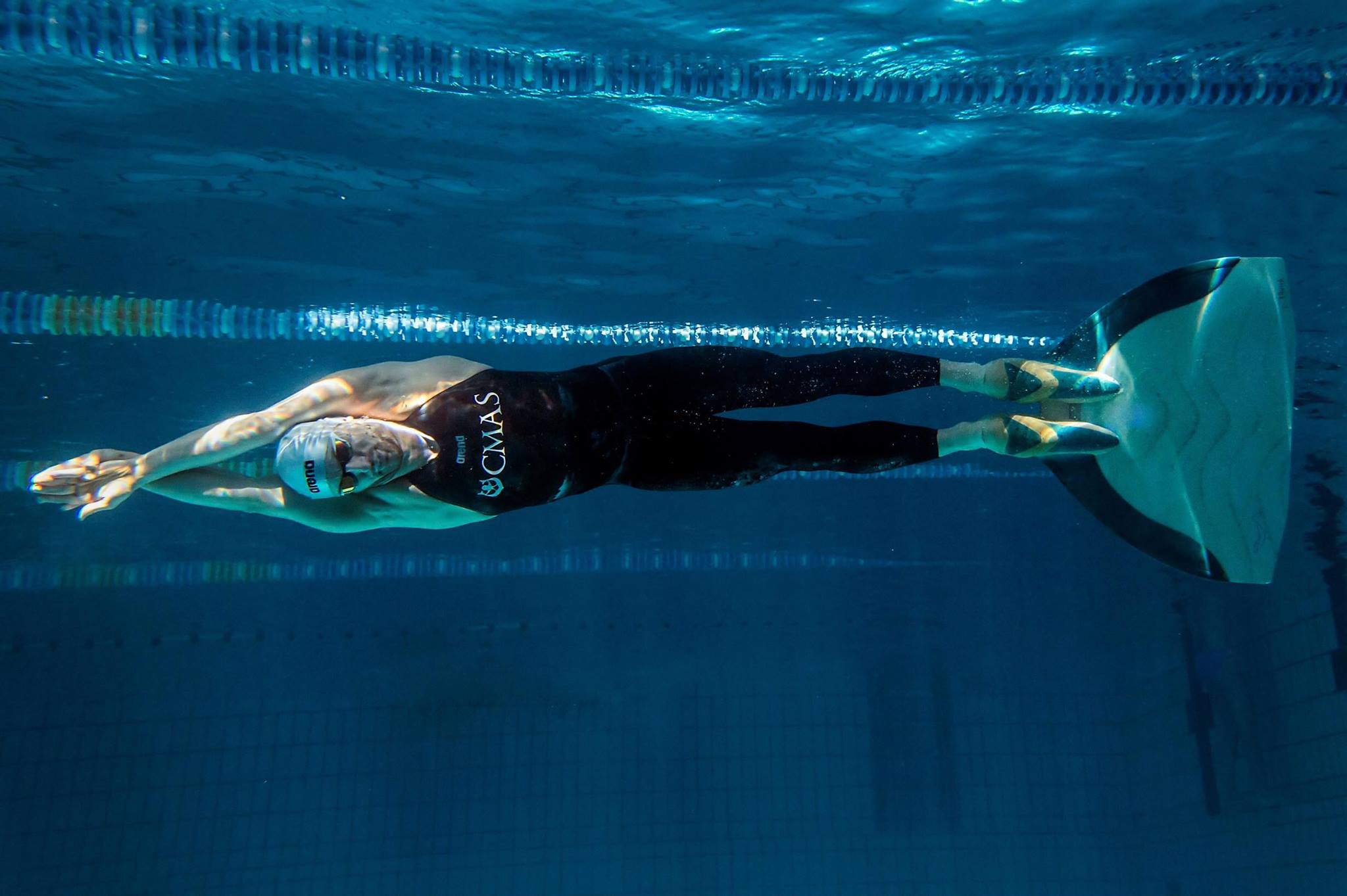
Finswimming is a competitive underwater sport where swimmers use monofins (a single large fin attached to both feet) or bifins (separate fins for each foot) to propel themselves at high speeds. Races can take place:
- On the surface using a snorkel
- Completely underwater
- In swimming pools or open water
The sport is governed internationally by the Confédération Mondiale des Activités Subaquatiques (CMAS), which promotes underwater sports worldwide.
Unlike traditional swimming, finswimming emphasizes undulating body movement, similar to a dolphin kick but amplified through a powerful fin. The result? Speeds that can exceed traditional swimming records significantly.
Why Finswimming Is Growing in Singapore
Singapore has a strong aquatic ecosystem supported by facilities under Sport Singapore and competitive pathways managed by Singapore Aquatics.
🇸🇬 Strong Swimming Foundation
Many Singaporeans learn swimming through structured national programs, creating a solid base for advanced aquatic disciplines like finswimming.
🏊 Excellent Pool Infrastructure
From regional complexes to competition-standard venues like the OCBC Aquatic Centre, Singapore offers world-class facilities suitable for finswimming training.
🌊 Open Water Environment
As an island nation, Singapore provides opportunities for controlled open water finswimming training.
🚀 Competitive Potential
As a developing sport locally, early adopters have strong opportunities to represent Singapore in regional and CMAS competitions.
Types of Finswimming Events
Understanding the categories helps you appreciate the sport better.
Surface Finswimming
Athletes swim on the surface using a monofin and a snorkel. This is the most common event format and beginner-friendly.
Apnea (Breath-Hold) Events
Short-distance underwater sprints performed on a single breath. Requires discipline and coaching.
Immersion Events
Longer underwater races using compressed air equipment.
Bifins Competition
Swimmers use two fins with a flutter kick technique. Ideal for those transitioning from traditional swimming.
Benefits of Finswimming
🔥 Superior Core Activation
The undulating motion engages deep abdominal and lower back muscles.
💨 Enhanced Cardiovascular Endurance
Higher speeds and resistance demand stronger heart and lung performance.
🦵 Powerful Leg Development
Monofin propulsion builds explosive hip drive and leg strength.
🧠 Improved Breath Control
Underwater phases train oxygen efficiency and mental calmness.
🌊 Advanced Water Confidence
Perfect for swimmers seeking mastery beyond basic strokes.
Equipment Needed for Finswimming in Singapore
To start finswimming, you’ll need:
- Monofin or bifins
- Centre-mounted snorkel
- Goggles
- Streamlined swimwear
Beginners typically start with bifins before progressing to monofins.
Where to Try Finswimming in Singapore
Training can be conducted at high-quality facilities such as:
- OCBC Aquatic Centre
- Various ActiveSG swimming complexes
- Competitive swim clubs exploring underwater disciplines
As interest grows, more structured finswimming clinics are expected to emerge island-wide.
Is Finswimming Safe?
Yes — when conducted under supervision and proper guidelines.
Key safety principles:
- Never train underwater alone
- Avoid extended breath-hold without professional coaching
- Follow pool safety rules
- Start with surface finswimming first
With structured training, finswimming enhances rather than compromises water safety awareness.
Frequently Asked Questions (FAQs) About Finswimming in Singapore
1. Is finswimming available in Singapore?
Yes. While still a niche aquatic sport, finswimming is gradually gaining traction in Singapore. Training opportunities are typically found within competitive swim clubs and underwater sports communities affiliated with CMAS. Facilities managed under Sport Singapore also provide suitable venues for training.
2. Do I need to be an advanced swimmer to start finswimming?
Not necessarily. However, you should be comfortable swimming at least 50–100 metres continuously. Beginners usually start with bifins before progressing to monofins. Strong basic swimming skills make the transition smoother.
3. What is the difference between monofin and bifins?
A monofin is a single large fin attached to both feet, creating a dolphin-like movement. Bifins are two separate fins, allowing a flutter kick motion similar to freestyle.
Monofins generate greater speed but require stronger core and hip control.
4. Is finswimming dangerous?
When supervised and practiced responsibly, finswimming is safe. The key risks arise from unsupervised breath-hold training. Proper coaching, adherence to safety protocols, and gradual progression minimize risks significantly.
5. Can children learn finswimming in Singapore?
Yes, but typically only after developing strong foundational swimming skills. Children who are confident swimmers and comfortable underwater may begin bifin training under supervision.
6. How fast can finswimmers swim?
Finswimmers can reach speeds significantly faster than traditional swimmers due to enhanced propulsion. Competitive monofin athletes often exceed standard swimming race speeds over similar distances.
7. Is finswimming part of the Olympics?
Currently, finswimming is not part of the Olympic Games. It is governed internationally by CMAS and featured in world championships and regional competitions.
8. What muscles does finswimming train?
Finswimming heavily engages:
Core muscles
Glutes
Hip flexors
Quadriceps
Lower back
It is particularly effective for building posterior chain strength.
9. Is finswimming good cross-training for competitive swimmers?
Yes. Many competitive swimmers use monofin training to improve dolphin kick power, underwater phase performance, and ankle flexibility.
10. How can I get started with finswimming in Singapore?
Start by:
Ensuring strong swimming fundamentals
Purchasing beginner bifins
Training at supervised public pools
Connecting with underwater sports communities affiliated with CMAS
As the sport expands locally, more structured programs are expected to become available.
Final Thoughts
If you have already mastered the four competitive strokes, finswimming offers a thrilling next step. It combines speed, strength, underwater technique, and innovation in one powerful aquatic discipline.
In a country with world-class aquatic facilities like the OCBC Aquatic Centre and strong sporting governance under Sport Singapore, the foundation for finswimming growth is strong.