
MOE Swimsafer Programs Lesson #1
TOP PAGE
Table of Contents

John’s First Day of MOE SwimSafer Lesson #1
6 Jan 2025: John stood by the edge of the pool, his small hands clutching his towel tightly. It was his first day attending the MOE SwimSafer program with his Primary 3 classmates. He couldn’t swim, and the sight of the large pool filled him with equal parts excitement and apprehension. They were sorted out and group according to their swimming abilities and skills. John’s group consist mostly beginners.
The instructor greeted the group with a warm smile and reassured them that it was okay to feel nervous. “Today, we’ll start with the basics and have some fun!” the instructor said, immediately putting John at ease. The session began with a safety briefing, where the instructor explained the pool rules and emphasized the importance of staying calm in the water.
As they moved to the shallow end, John felt the cool water touch his feet. The instructor asked everyone to sit on the pool’s edge and kick their legs gently. John hesitated but eventually joined in, his classmates’ giggles making him laugh too. “Well done, everyone!” the instructor encouraged, building their confidence with each small achievement.
Next came an introduction to blowing bubbles. John dipped his chin into the water cautiously. It felt strange, but he followed the instructor’s demonstration. “Breathe in and breathe out at ease,” the instructor said. John managed to create a tiny trail of bubbles and felt a surge of pride.
The instructor then handed out pool noodles to help the children practice floating. John held onto his noodle tightly, his legs stiff as he tried to lie back. “Relax your body, John,” the instructor coaxed gently. With some encouragement, John began to trust the water, feeling the buoyancy as the noodle kept him afloat.
By the end of the 90-minute lesson, John had taken his first steps toward feeling comfortable in the pool. Though his movements were clumsy and uncertain, he was proud of what he had achieved on his first day.
Walking back to the changing room, John couldn’t help but smile. The water no longer seemed so intimidating, and he was eager to return for the next lesson. Today was the start of something new—an adventure in learning to swim.
What he learned today?
- Rule and Regulation of the pool- Dos and Don’ts
- Understanding Water Safety
- Safe Entry & Exit
- Familarize with pool environment by walking around shallow pool
John’s MOESwimsafer Lesson 2 Continue next Week 13 Jan 2025- Stay Tune.
MOE Swimsafer Programs Lesson #2
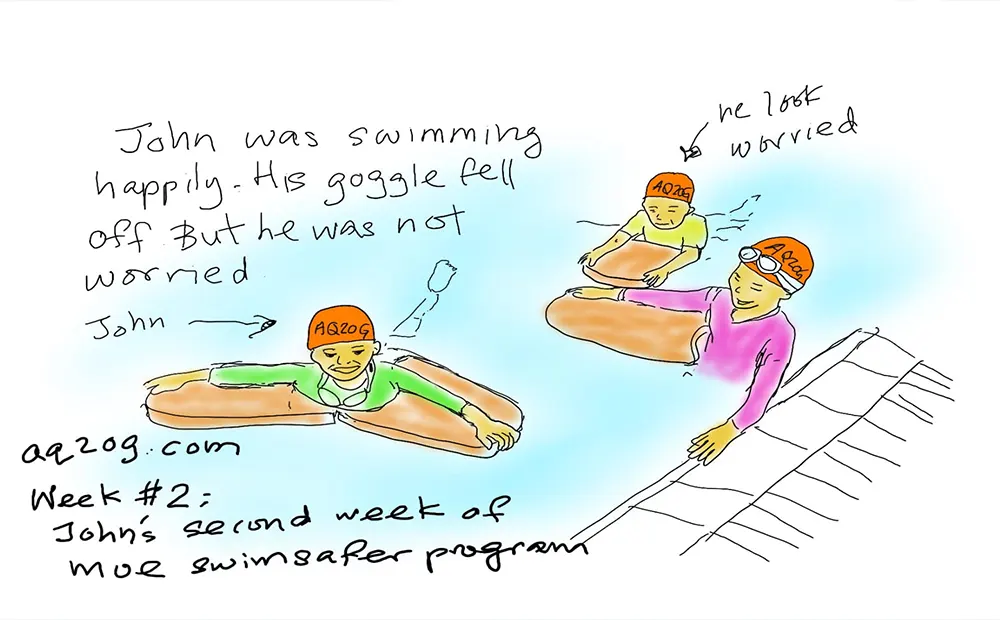
Weather Outlook: Cloudy and Rainy
Water Temperature: 22°C
Date: 13 Jan 2025
Time: 1:30 PM
The rain had been relentless since Friday, 10 Jan 2025. Each day brought heavy downpours, leaving the skies overcast and the air cool. The weather forecast warned of flash floods across Singapore for the next several days, which dampened our hopes for the upcoming event. Despite these challenges, my friends and I decided not to let the dreary conditions hold us back. We displayed grit and resilience, showing up for our swimming lesson in a cold, wet environment that tested our determination.
Upon arriving at the pool, the first thing we noticed was the cold. The water sat still under the gray skies, and the air temperature felt as though it could chill you to the bone. We stood at the edge of the 1-meter-deep pool, exchanging hesitant glances. The coach, always a source of encouragement, greeted us with a warm smile and assured us that the session would be worthwhile.
Before stepping into the pool, we started with a series of warm-up exercises on land. The coach led us through dynamic stretches, including arm circles, leg swings, and jogging in place. He explained that warming up our muscles would not only prepare our bodies for the cold water but also help prevent injuries. While I wasn’t entirely convinced that this would make entering the chilly pool any easier, I followed along. My friends and I moved through the exercises, trying to generate as much heat as possible to combat the cold.
The coach also introduced a unique activity he called “sketching.” It involved mimicking swimming strokes while standing on land. We practiced freestyle and backstroke movements, focusing on proper arm rotation and breathing techniques. Though we weren’t in the water yet, the exercise helped us visualize the motions we would soon perform. It also served as a mental warm-up, preparing us for the challenges ahead.
When it was finally time to enter the pool, hesitation hit us again. The sun had yet to break through the thick clouds, and the water temperature was a brisk 22°C. I could feel the chill in the air, and the thought of stepping into the cold water sent a shiver down my spine. But with the coach urging us on and my friends nervously laughing beside me, I took a deep breath and stepped into the pool.
The initial shock was overwhelming. The cold seemed to pierce straight through my skin, freezing me in place for a moment. My body reacted instinctively, tensing up as if to shield itself from the chill. But as I took a few more steps, the sensation began to dull. I walked around the pool, splashing water over my arms and shoulders to acclimate further. To my surprise, it wasn’t as bad as I had imagined.
The coach started the lesson with basic skills: entering and exiting the pool safely, floating, and standing with support. He emphasized the importance of mastering these foundational skills, as they form the building blocks for more advanced swimming techniques. I practiced entering the pool slowly, using the steps and gripping the handrails. Exiting the pool was equally methodical, focusing on balance and control. These simple exercises helped build my confidence in handling the water.
Next, we moved on to floating. The coach explained that floating is about trusting the water to support your body. He demonstrated how to lie back, keep your body relaxed, and spread your arms and legs like a starfish. My first attempts were clumsy—I kept tensing up, which caused me to sink. The coach patiently guided me, reminding me to relax and breathe evenly. Slowly but surely, I began to float. Feeling the water gently cradle me was both calming and empowering.
The lesson then progressed to kicking drills. Holding onto the edge of the pool, we practiced flutter kicks. The coach reminded us to keep our legs straight and kick from the hips, not the knees. My initial attempts were awkward, with splashes flying everywhere but little movement. However, with practice and the coach’s feedback, my kicks became smoother and more effective. Seeing the water ripple behind me as I kicked gave me a sense of accomplishment.
One of the most challenging parts of the lesson was retrieving objects from the bottom of the pool. The coach threw a small object into the water and asked us to pick it up. At first, I hesitated. The thought of holding my breath and going underwater made me nervous. The coach noticed my hesitation and took the time to teach me a breathing technique. He explained how to take a deep breath before submerging, exhale slowly while underwater, and remain calm throughout the process.
Armed with this new knowledge, I gave it another try. The first few attempts were unsuccessful—I panicked and came up for air too quickly. But with persistence and encouragement from the coach, I finally managed to retrieve the object. The sense of pride I felt in that moment was indescribable. What had seemed impossible at first became an achievement through patience and effort.
After mastering the basics, the coach introduced a fun group activity to wrap up the lesson. He scattered floating rings across the pool and challenged us to collect them. This game allowed us to practice everything we had learned—floating, kicking, and moving confidently in the water. My friends and I worked together, cheering each other on and laughing as we splashed around. The cold and rain faded into the background as the pool came alive with our energy and enthusiasm.
By the end of the session, I felt a profound sense of accomplishment. What began as reluctance and fear had transformed into confidence and joy. The coach’s guidance and my own determination had allowed me to overcome the challenges of the day.
As we climbed out of the pool, shivering but smiling, the coach gathered us for a final word of encouragement. “Every small step you take in the water builds your strength and courage,” he said. “Swimming isn’t just about the strokes and techniques. It’s about connecting with the water and discovering what you’re capable of.”
His words stayed with me as I dried off and prepared to leave. The rain continued to fall, and the gray skies showed no sign of clearing. But none of that mattered anymore. I had faced my fears, pushed through the discomfort, and emerged stronger for it.
Walking away from the pool, I felt a newfound respect for the power of resilience. Even in the face of unfavorable conditions, I had learned to adapt and persevere. The experience reminded me that challenges are opportunities in disguise, and the effort to overcome them often leads to growth and self-discovery.
My friends and I left with big smiles, already looking forward to our next lesson. Despite the cold, the rain, and the uncertainty, we had found joy and confidence in the water. It was a lesson not just in swimming, but in life itself—a reminder that courage and determination can turn any challenge into a triumph.
At the end of the day, John has learn to be resilience and preserverance which are part of the core values of character building. Well done John!!
MOE Swimsafer Program Lesson #3
Today marked John’s third session in the MOE SwimSafer Program, a day he had eagerly anticipated. Despite the gloomy skies and occasional drizzle, John was unfazed. His excitement stemmed from a special promise made by his coach—the inclusion of engaging land drill games and swimming-related exercises. Curiosity burned brightly in John’s eyes as he headed to the pool, ready to experience the innovative ways his coach had planned to teach essential swimming skills.
Upon arriving at the swimming facility, the atmosphere buzzed with energy. John’s peers, equally enthusiastic, gathered around the coach, who was setting up a series of cones and props on the poolside. The coach began the session with an explanation of how these land drills would simulate swimming techniques, emphasizing the importance of muscle memory and coordination. “Remember,” the coach said, “what we practice here on land will help you move more efficiently in the water.”
The first activity involved a game of “streamline tag.” Each child had to adopt a streamline position—arms stretched overhead, hands clasped together, and ears tucked between their biceps—as they navigated the cones without breaking form. Laughter echoed as John and his friends attempted to maintain their positions while tagging one another. Through this game, they practiced one of the most fundamental swimming postures, building strength and body alignment.
Next, the coach introduced a land drill to simulate flutter kicks. The children lay on their backs on gym mats, their legs extended straight. With their hands gripping imaginary pool walls, they practiced small, quick kicks, ensuring their knees stayed relatively still. “Imagine you’re slicing through the water like a dolphin,” the coach encouraged. John focused intently, determined to perfect his form. This exercise not only prepared them for freestyle and backstroke but also engaged their core muscles, a key component of effective swimming.
One of the highlights of the land drills was a game called “Bubble Relay.” Teams competed to see who could blow the biggest bubbles into cups of water using straws. This fun activity helped the children practice controlled breathing, an essential skill for maintaining calmness underwater. John’s team cheered loudly as he created a frothy sea of bubbles, his confidence growing with each attempt.
After the land exercises, it was time for the practical session in the water. The coach gathered the children around to introduce them to life jackets. For many, including John, this was their first encounter with this vital piece of safety equipment. The coach demonstrated how to properly wear a life jacket, emphasizing the importance of ensuring a snug fit. “A loose life jacket won’t keep you safe,” the coach explained. “Always make sure it’s secure.”
Once everyone was suited up, the coach guided the children to the edge of the pool to practice the “slide-in entry” technique. This method involved sitting at the pool’s edge, turning their bodies to face the wall, and gently sliding into the water feet first. John remembered practicing this during his previous lessons, but today was different; the added buoyancy of the life jacket made him feel more secure.
With their life jackets on, the children were instructed to float on their backs. “Relax and trust the jacket,” the coach reassured them. For John, this was a revelation. Feeling the life jacket support his weight, he stretched out his arms and gazed up at the cloudy sky, a sense of calm washing over him. The coach explained how floating was not only a survival skill but also a way to conserve energy in an emergency.
Next, the children practiced recovering to a standing position from a back float. The coach demonstrated the technique, showing how to gently bring the knees up, roll onto one side, and place the feet firmly on the pool floor. John tried it repeatedly, each time improving his balance and coordination. By the end of the session, he could transition smoothly from floating to standing, a skill that filled him with pride.
The lesson then shifted focus to bubbling—a fundamental skill that builds water confidence. The coach instructed the children to submerge their faces partially in the water and blow bubbles through their noses and mouths. “Bubbling helps you get comfortable with having your face in the water,” the coach explained. John, who had initially been hesitant about putting his face underwater, now found joy in creating ripples and tiny waves. With each practice, he felt more at ease, a crucial step towards mastering freestyle breathing techniques in the future.
To round off the session, the coach revisited the slide-in entry, encouraging the children to combine it with the skills they had learned earlier. This time, they practiced entering the water, floating on their backs, and recovering to a standing position—a sequence designed to simulate real-life scenarios. John’s movements were fluid and confident, a testament to his progress over the three lessons.
The coach concluded the lesson with a brief recap and words of encouragement. “Remember, every skill you learn today is a building block for your swimming journey. Practice makes perfect,” the coach said. As the children removed their life jackets and prepared to leave, John couldn’t help but feel a sense of accomplishment. He had faced new challenges, learned valuable skills, and discovered the joy of being in the water.
On the way home, John couldn’t stop talking about the day’s activities. He shared his excitement with his parents, demonstrating the flutter kick and recounting the bubble relay game. “I can’t wait for the next lesson,” he exclaimed.
The day’s experience had not only enhanced John’s swimming abilities but also deepened his appreciation for water safety. Through engaging games and hands-on practice, he had learned essential skills that could one day save his life. The MOE SwimSafer Program was more than just a swimming class; it was an adventure that nurtured confidence, resilience, and a lifelong love for the water.
Stay tune for his blog update next week.
MOE Swimsafer Programs Lesson #4

On the 27th of January 2025, John attended his fourth session of the MOE SwimSafer Program. The weather had slightly improved compared to the previous week, but the water temperature remained cold, hovering between 23 to 25 degrees Celsius. Despite the chilly conditions, John was not deterred. On the contrary, he was more determined than ever to make the most of this invaluable learning opportunity. Having no prior experience in swimming, John viewed this program as a chance to overcome his fear of water and learn some basic strokes.
Upon arriving at the pool, John was greeted warmly by the coach, who had become a familiar and motivating presence throughout the program. The coach began the session by recapping the key lessons from the previous three sessions, emphasizing the importance of understanding and building upon foundational swimming skills. The review included water confidence exercises, basic floating techniques, and the introduction of arm and leg movements. The coach’s thoughtful review helped reinforce John’s understanding and provided a seamless transition into the day’s lesson.
As the recap concluded, the coach announced that today’s focus would be on breathing techniques combined with a single-arm drill. This was a crucial step in helping participants develop a more coordinated and efficient swimming style. John listened attentively, though he couldn’t help but feel a mixture of excitement and apprehension. Breathing while swimming was an entirely new concept for him, and he was eager to give it a try despite the challenges it presented.
The coach began by demonstrating the single-arm drill. With one arm extended and the other resting by the side, swimmers were instructed to take a breath by turning their head to the side of the extended arm. The coach emphasized the importance of maintaining a relaxed and steady rhythm, as well as keeping the body aligned to reduce resistance in the water. The demonstration looked effortless, but John knew that executing it himself would be a different story.
When it was John’s turn to practice, he struggled initially. His movements were awkward, and he found it difficult to coordinate the arm movement with the head turn for breathing. Several times, he either forgot to breathe entirely or inhaled water instead. Frustration started to creep in, but the coach was quick to offer encouragement.
“Don’t worry, John,” the coach reassured him. “It’s normal to find it challenging at first. Focus on staying relaxed and turning your head just enough to get a breath. Let’s break it down step by step.”
With renewed determination, John resumed the drill. The coach guided him through a series of progressive exercises, starting with practicing the head turn while standing in the shallow end. This helped John become more comfortable with the breathing motion without the added complexity of arm movements. Once he gained confidence, the coach had him return to the single-arm drill, this time emphasizing a slower and more deliberate pace.
Gradually, John began to feel a difference. He found that by staying calm and focusing on a steady rhythm, he could better coordinate his movements. The coach’s reminders to exhale underwater and take quick, efficient breaths made a significant impact. With each attempt, John’s proficiency improved, and he started to experience the satisfaction that comes with progress.
“Great job, John! That was much better,” the coach praised after one particularly smooth attempt. “You’re getting the hang of it. Keep practicing, and it will become second nature.”
The positive reinforcement boosted John’s confidence. He was no longer fixated on his initial mistakes but instead focused on refining his technique. The sense of accomplishment he felt was palpable, and it fueled his desire to keep pushing himself.
As the lesson continued, the coach introduced variations to the drill to further enhance the participants’ skills. These included switching arms and integrating gentle kicks to maintain balance and propulsion. John embraced each new challenge with enthusiasm, motivated by the progress he had already made. The once-daunting task of breathing while swimming was slowly becoming a manageable and even enjoyable aspect of his learning journey.
By the end of the session, John’s improvement was evident. Although he still had room for refinement, his movements were noticeably smoother, and he was more confident in his ability to breathe while performing the single-arm drill. The coach commended his perseverance and reminded him that consistent practice was the key to mastering the skill.
As John climbed out of the pool, he reflected on how far he had come since the first session. The initial fear and uncertainty he had felt were gradually being replaced by a sense of achievement and excitement for what lay ahead. He realized that learning to swim was not just about acquiring a physical skill but also about building resilience and confidence in the face of challenges.
The cold water that had once seemed daunting was now merely a backdrop to his growing determination. John’s experience in the MOE SwimSafer Program was shaping him not only as a swimmer but as an individual who was learning to embrace challenges and celebrate progress.
As he toweled off and gathered his belongings, John made a mental note to practice the breathing drill during his free time. He was eager to build on the foundation he had established and continue his journey toward becoming a confident swimmer. The program had already given him so much—a supportive coach, valuable skills, and a renewed sense of self-belief.
Looking ahead to the next session, John felt a surge of anticipation. He knew that there would be more challenges to overcome, but he was ready to face them head-on. The MOE SwimSafer Program had become more than just a structured curriculum; it was a transformative experience that was helping John unlock his potential, both in the water and beyond.
In the weeks to come, John would undoubtedly encounter more drills, techniques, and moments of frustration. But with the guidance of his coach and the support of his peers, he was confident that he would continue to grow and thrive. Each lesson was a stepping stone on his path to becoming a skilled and confident swimmer.
For John, the fourth session marked a turning point. It was a testament to the power of perseverance, the importance of effective coaching, and the transformative impact of a well-structured learning program. As he walked away from the pool that day, John carried with him not just newfound swimming skills but a deep sense of accomplishment and the determination to keep moving forward.
MOE Swimsafer Programs Lesson #5

Today marked John’s fifth MOE SwimSafer class, a critical session that focused on recapping and revising the essential skills and knowledge acquired in previous weeks. The atmosphere at the swimming pool was lively, and the weather was favorable for learning, with a warm temperature of 27 degrees Celsius and a pleasant breeze that added to the comfort of the participants. It was also a windy day. The serene environment set the stage for an engaging and productive class.
Warm-up and Icebreaker Session
The session began with a dynamic warm-up routine designed to prepare the young swimmers physically and mentally. The coach, a seasoned and energetic instructor, led the group through stretching exercises, gentle jogging, and arm rotations to loosen up their muscles. As the wind carried the laughter and excitement of the children, the coach encouraged them to share their favorite moments from the previous classes, creating an atmosphere of camaraderie and enthusiasm.
Recap of Previous Activities
The primary objective of today’s class was to ensure that the students had a thorough understanding of the fundamental swimming skills and safety concepts taught in previous sessions. The coach meticulously reviewed each key aspect, starting with water confidence exercises.
- Water Confidence and Buoyancy: The coach emphasized the importance of being comfortable in the water, a crucial foundation for swimming. He guided the children through exercises such as blowing bubbles, submerging their faces, and practicing star floats. John, who initially struggled with putting his face in the water, demonstrated significant improvement and was praised for his progress.
- Breathing Techniques: Proper breathing techniques are essential for efficient swimming. The coach revisited rhythmic breathing exercises, reminding the students to exhale underwater and inhale quickly when their heads turned to the side. The group practiced this skill repeatedly, and the coach provided individual feedback to ensure that everyone grasped the technique.
- Kicking Drills: Effective kicking is a fundamental aspect of swimming. The coach had the students practice flutter kicks while holding onto the pool wall. He emphasized the importance of keeping their legs straight and pointed their toes. To add an element of fun, the coach organized a friendly kicking race, which boosted the children’s motivation and enthusiasm.
Revising Swim Strokes
After the warm-up and recap of foundational skills, the coach transitioned to revising the swim strokes taught in previous classes. The focus was on freestyle and backstroke, two essential strokes for the SwimSafer program.
- Freestyle: The coach demonstrated the correct arm movements and body positioning for freestyle. He reminded the students to maintain a streamlined body position and coordinate their arm movements with their breathing. John, who had shown great determination in previous classes, confidently swam a few laps of 25m with support with noticeable improvements in his technique.
- Backstroke: The coach highlighted the importance of keeping the head steady and looking at the ceiling while performing backstroke. He provided tips on maintaining a straight body alignment and demonstrated the proper arm movements. The students practiced in pairs, and the coach offered constructive feedback to help them refine their strokes.
Safety and Survival Skills Revision
A crucial component of the SwimSafer program is teaching water safety and survival skills. The coach took this opportunity to reinforce these essential concepts.
- Floating Techniques: The students practiced various floating techniques, including the star float and survival back float. The coach emphasized the importance of remaining calm and conserving energy in a survival situation.
- Treading Water: Treading water is a vital survival skill. The coach demonstrated the eggbeater kick and arm movements required to stay afloat. The children practiced this skill in the deeper section of the pool, and John showed remarkable resilience, staying afloat for an impressive duration.
- Safe Entry and Exit Techniques: The coach reviewed safe entry and exit techniques, such as the slide-in entry and using the pool ladder. He reminded the students to always assess the water depth and check for potential hazards before entering the pool.
Interactive Quiz on Water Safety
To reinforce the importance of water safety, the coach conducted an interactive quiz. The questions covered topics such as identifying safe swimming areas, understanding pool rules, and recognizing the role of lifeguards. The students eagerly participated, and John confidently answered several questions, demonstrating his growing knowledge and awareness.
Fun and Engaging Activities
To wrap up the session, the coach organized a series of fun and engaging activities. These included relay races, synchronized swimming challenges, and team-building exercises. The children’s laughter echoed across the pool as they cheered each other on and celebrated their achievements. John’s team won the relay race, and he beamed with pride at his accomplishment.
Individual Feedback and Encouragement
Before concluding the class, the coach provided individual feedback to each student. He praised John for his dedication and significant improvements in both swimming technique and water confidence. The coach’s words of encouragement motivated John to continue striving for excellence.
Reflection and Takeaways
As the session came to an end, the coach gathered the students for a brief reflection. He asked them to share their key takeaways from the class. John expressed his newfound confidence in performing backstroke and his excitement about the upcoming lessons. The coach reminded the students of the importance of regular practice and maintaining a positive attitude.
Looking Ahead
With the fifth class successfully completed, John and his peers are well on their way to mastering the essential skills required for the SwimSafer certification. The coach outlined the objectives for the next class, which would focus on refining swim strokes and introducing new survival skills. The students left the pool with a sense of accomplishment and anticipation for the next session.
In conclusion, today’s MOE SwimSafer class was a testament to the power of structured learning, dedicated coaching, and the students’ determination. The warm and windy afternoon provided the perfect backdrop for a session filled with learning, laughter, and growth. John’s journey in the SwimSafer program continues to be a remarkable one, marked by progress, confidence, and a deepening love for swimming.
When will the test be held for MOE Swimsafer?
Usually at the final session of the MOE program.
What if my child fail the MOE Swimsafer Test?
There is a remedial program where your child can sign up. Or join our weekly class for their next upgrade or join our 6 days holidays swimsafer program in june and december.
How long will the test take?
Usually 45mins to an hour.
MOE Swimsafer Program Lesson #6
Recap and Instructions
Building Water Confidence
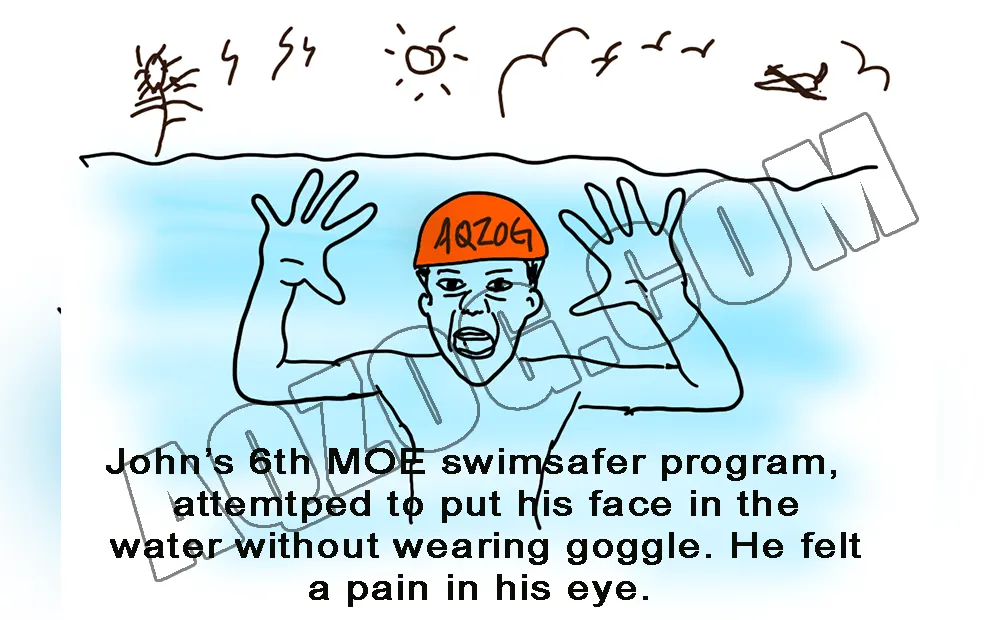
Overcoming the Challenge of Swimming Without Goggles
A Fun and Interactive Activity
Valuable Lessons Learned
Importance of Discipline and Focus
Reflection and Takeaways
Looking Ahead
MOE Swimsafer Programs Lesson #7
Reminder to bring EXtra T shirt and Short: Lessons from John’s Seventh SwimSafer Session
Coach reminded the students to bring extra t shirt and short today. However some students still forget to bring. Coach then reminded them again that next week will be their final lesson that is also their swimsafer test. The students were all excited and delighted that the next week program is going to be their last.
The Importance of Keeping Eyes Open Underwater:
John’s seventh lesson in the MOE SwimSafer program was progressing smoothly until an unexpected incident occurred. During an underwater swimming exercise, John’s classmate, Sally, accidentally hit her chin against the pool bottom. This happened because she had closed her eyes while swimming without goggles, unaware of her surroundings. The incident became a crucial learning opportunity for the entire class, highlighting the importance of keeping their eyes open underwater even without goggles.
Understanding the Incident
Sally’s accident was caused by a lack of visual awareness. Without the ability to see, she unknowingly swam downward and collided with the pool floor. The coach quickly ensured she was not seriously injured, and fortunately, the impact was minor. However, it reinforced an essential lesson in water safety—spatial awareness is critical when swimming underwater.
Coach’s Explanation and Safety Measures
After ensuring Sally was alright, the coach gathered the class to discuss the situation. He explained why keeping their eyes open underwater was essential, even without goggles. Many beginner swimmers instinctively close their eyes due to discomfort or fear of water exposure, but this can lead to disorientation, depth misjudgment, and potential injuries like Sally’s.
The coach demonstrated the difference between swimming with eyes open and closed underwater. He encouraged students to practice opening their eyes for brief moments while submerged to familiarize themselves with the sensation. He also emphasized that in real-life emergencies, they might not have goggles, making this an essential survival skill.
Reviewing the SwimSafer Stage 1 Syllabus
To reinforce the importance of water safety and swimming skills, the coach decided to review all the essential components of the SwimSafer Stage 1 syllabus, ensuring students were confident in their abilities and safety practices.
1. Water Confidence and Entry Skills
The session started with reviewing water confidence and safe pool entry techniques. The coach reminded students of different pool entry methods, such as:
- Slide-in Entry – A controlled and safe way to enter shallow water.
- Step-in Entry – Suitable for pools of known depth.
- Jump Entry – Only appropriate in deeper waters with clear visibility.
Scanning the water before entering was emphasized, ensuring swimmers are aware of their surroundings to avoid accidents.
2. Submerging and Breath Control
Since Sally’s incident occurred underwater, the coach focused on submerging and breath control. He advised students to:
- Take a deep breath before submerging.
- Exhale gradually through their nose or mouth while underwater.
- Keep their eyes open to maintain spatial awareness.
The students practiced multiple times to build confidence and get used to the sensation of water in their eyes. The coach reassured them that while chlorine might cause mild irritation at first, their eyes would adjust over time.
3. Floating and Body Positioning
Floating is a fundamental swimming skill that enhances water confidence. The coach reviewed different floating techniques, including:
- Back Float – Helps conserve energy and stay afloat in emergencies.
- Front Float – Develops body control and water comfort.
Practicing floating improved students’ body awareness, reducing accidental sinking or loss of control underwater.
4. Forward and Backward Movement
The class revisited propulsion techniques to ensure students could move efficiently in the water. The coach demonstrated:
- Proper arm and leg movements for forward swimming.
- Controlled strokes to maintain direction and balance.
Students also practiced underwater gliding while keeping their eyes open, reinforcing the habit of using vision to guide their movements and avoid obstacles.
5. Safe Resurfacing and Recovery
A crucial aspect of water safety is resurfacing correctly after submerging. The coach instructed students to:
- Look upward when resurfacing to avoid hitting objects.
- Extend their arms slightly forward to prevent head collisions.
- Use gentle kicking motions to rise smoothly.
Students practiced resurfacing in both shallow and deeper areas to develop confidence in various depths.
6. Treading Water and Water Safety Awareness
Although treading water is emphasized more in later SwimSafer stages, the coach introduced it to build endurance and confidence. Treading water helps swimmers remain afloat in deeper areas and is a vital survival skill.
Additionally, the coach reinforced general water safety rules, including:
- Never swimming alone.
- Checking water depth before diving or jumping.
- Avoiding rough play in the pool.
- Staying within designated swimming zones.
Lessons Learned from the Incident
Sally’s experience became an important learning moment for the entire class. By the end of the session, students understood that keeping their eyes open underwater was essential for preventing injuries and improving swimming skills. Many overcame their initial hesitation and successfully practiced underwater swimming with their eyes open.
The coach’s review of the SwimSafer Stage 1 syllabus further reinforced their understanding of essential swimming techniques and water safety principles. With these foundational skills, students gained greater confidence, ensuring they were well-prepared for their upcoming SwimSafer assessment.
Conclusion
Sally’s minor accident served as a valuable reminder of the importance of awareness and safety in swimming. Under the coach’s guidance, the students learned a crucial lesson about the necessity of keeping their eyes open underwater. The review of the SwimSafer Stage 1 syllabus further enhanced their skills, ensuring they were better prepared to navigate the water safely and effectively.
The SwimSafer program continues to play a vital role in equipping young swimmers with the knowledge and confidence to enjoy the water responsibly. By reinforcing safety measures and proper techniques, students develop lifelong skills that contribute to their overall water competency and well-being.
MOE Swimsafer Programs Lesson #8
The day of John’s SwimSafer Stage 1 test had finally arrived, a moment he had been preparing for through eight weeks of consistent practice and learning. The atmosphere at the pool carried a mix of excitement and nervous anticipation as children gathered with their parents, ready to demonstrate their skills. The weather was bright and slightly breezy, an encouraging backdrop for such an important milestone.
Pre-Test Warm-Up
Before the test began, the coach guided the group through a light warm-up. Stretching exercises and short swims helped the children loosen their muscles and calm their nerves. John, although slightly anxious, reminded himself of all the lessons he had completed. Each practice, each correction, and each moment of encouragement from his coach now came to mind, giving him confidence.
Test Briefing
The examiner, a certified SwimSafer assessor, gathered the children and explained the sequence of skills they would need to perform. The instructions were clear: the focus was on demonstrating safety, confidence, and fundamental swimming techniques. The reminder that perfection was not required but safety and control were essential helped ease the tension in the group.
Stage 1 Assessment Begins
John was called forward with a small group of classmates. His first task was the safe entry into the pool. He remembered the coach’s guidance and executed a perfect slide-in entry, showing control and awareness. The examiner nodded with approval, noting his composure.
Next came water confidence tasks. John submerged his face, exhaled bubbles, and resurfaced with ease. He floated on his back in a relaxed star float, holding the position calmly for several seconds. The examiner looked satisfied, and John felt a rush of reassurance.
Swimming Strokes Demonstration
The swimming component required John to swim a short distance using freestyle and backstroke. For freestyle, he pushed off with determination, keeping his body streamlined and remembering to breathe out underwater. His strokes were steady, and he reached the other side confidently. Moving to backstroke, John focused on keeping his head steady and arms alternating smoothly. Though slightly nervous, he managed to complete the lap with balance and control. His coach, watching from the side, gave him an encouraging thumbs-up.
Survival and Safety Skills
The survival skills portion tested John’s ability to stay calm in a real-life water situation. He performed the survival back float and then treaded water in place. Using the eggbeater kick, he stayed afloat long enough to demonstrate his understanding of conserving energy. This was an area he had worked hard on, and his steady performance reflected his growth.
Knowledge Check
After the physical tasks, the examiner asked a few simple safety questions: “What should you do if you are tired while swimming in deep water?” and “Why should you never swim alone?” John confidently answered: “I should float on my back and rest,” and “Because it’s safer to have someone to help if something goes wrong.” His answers showed both understanding and presence of mind.
Completion of Test
When John finished, he climbed out of the pool carefully using the ladder, just as he had been taught. Relief and pride washed over him. He had performed each task with control and confidence, demonstrating that he had absorbed the skills from his lessons.
The examiner gathered the children once more and congratulated them on their efforts. Each child, including John, was praised for their dedication and bravery in completing the test. John’s coach pulled him aside with a smile, commending his steady improvement and composure under pressure.
Reflection and Achievement
As the day came to a close, John felt proud. The weeks of training had paid off, and he had proven to himself that he could handle the challenge. His parents, watching from the side, were equally proud of his achievement. The Stage 1 test was more than just a certification; it was proof of John’s resilience, confidence, and growing love for swimming.
For John, this day marked not an ending but the beginning of a longer journey in water safety and swimming proficiency. Having successfully attempted his SwimSafer Stage 1 test, he looked forward with excitement to new challenges and the next stages ahead. (THE END)