
Pool Rules and Water Safety for Learn to Swim Program in Singapore
Pool Rules and Water Safety for Learn to Swim Program in Singapore
(Essential Guide for Parents, Learners & Swim Instructors)
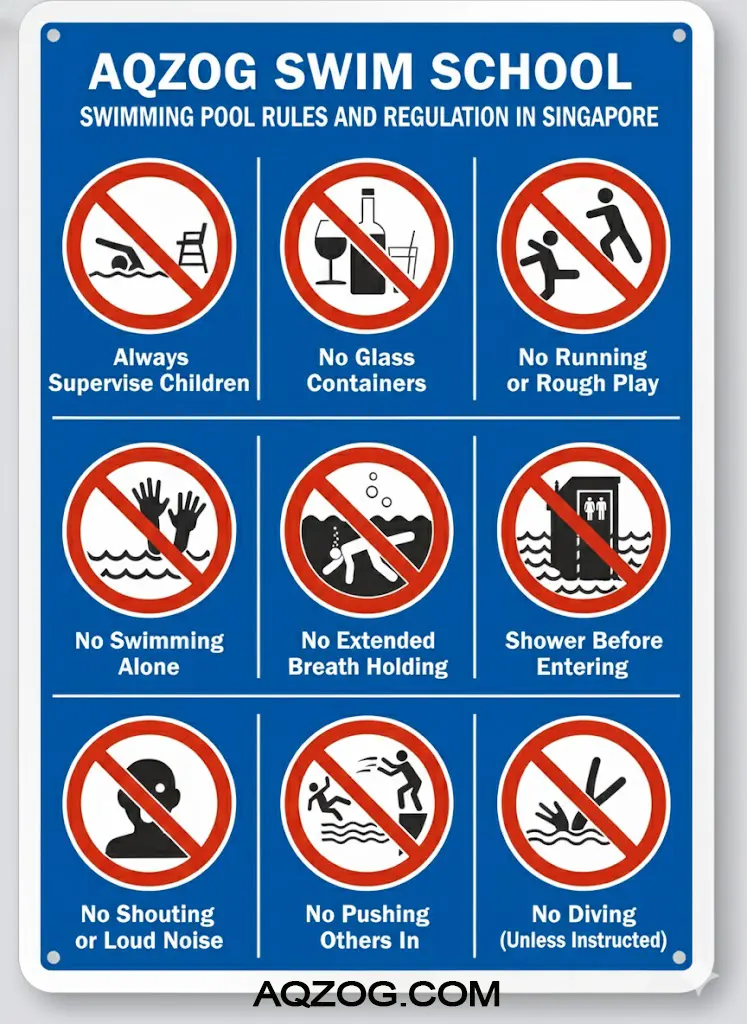
Swimming is a lifelong skill that enhances confidence, physical fitness, and safety awareness—especially in a tropical island nation like Singapore where water activities are everywhere. But before enjoying the water, learners must first understand pool rules and water safety principles that are foundational to any Learn to Swim program.
This comprehensive guide explains national standards, public pool rules in Singapore, SwimSafer national curriculum water safety components, and practical tips that keep swimmers safe in every swim environment.
Why Pool Rules and Water Safety Matter in Singapore
1. High Exposure to Water Activities
In Singapore, water bodies (pools, open water, beaches) are abundant and accessible. Every year, thousands of children and adults participate in swimming lessons, school water activities, and family outings — making water safety education essential.
2. Drowning Prevention is a National Priority
The SwimSafer national programme was introduced by the National Water Safety Council and enhanced by Sport Singapore and Singapore Aquatics to equip learners with both swimming proficiency and survival skills. This structured curriculum aims to reduce drowning incidents by teaching water safety, survival techniques, rescue readiness and confident swimming.
Singapore’s Public Pool Rules: General Safety Standards
Before entering a pool, users must follow facility safety rules — these aren’t just recommendations but enforceable regulations that reduce risks and ensure a hygienic, respectful environment for everyone.
Common Public Pool Rules in Singapore
Facilities managed under ActiveSG and public pool operators typically enforce the following:
- Proper Swim Attire Required – Only approved swimwear; no street clothing, underwear, or non-colourfast materials.
- No Eating or Drinking Inside Pool Area – Prevents contamination and slips.
- No Pets, No Smoking, No Alcohol – For safety and hygiene.
- Cleanliness Rules (e.g., no spit, bodily waste).
- Health Restrictions – Individuals with infectious skin conditions or communicable illnesses are not allowed to enter the pool.
- Supervision of Children – Young swimmers should always be accompanied by an adult or guardian.
- Follow Lifeguard Instructions – Lifeguards are the ultimate authority on safety at the pool.
💡 Tip: Public pool rules can vary by facility (e.g., sports clubs). Always check signage at the pool before entry.
SwimSafer: Singapore’s National Learn to Swim & Water Safety Program
SwimSafer (now part of the broader SwimSingapore framework) is Singapore’s official water safety and swimming proficiency programme. It teaches not just swimming techniques — but how to behave safely in and around water.
Programme Overview
- Six Progressive Stages: From basic water confidence to advanced survival and rescue skills.
- Theory + Practical Assessment: Covers water safety knowledge plus hands-on skills.
- Official Certification: On completing each stage, learners receive an e-certificate via the SwimSafer CAMS platform.
Core Water Safety Skills Learned
Across the 6 SwimSafer stages, learners develop critical competencies that extend beyond strokes — focusing on survival and safe behaviour.
1. Water Confidence & Basic Skills (Stage 1–2)
- Safe entry and exit from the pool (slide-in / step-in methods)
- Floating on front and back
- Breath control and underwater orientation
- Recognising safe vs unsafe water zones
- Signalling for help
- These foundational skills build comfort and reduce panic in water.
2. Survival and Personal Safety Skills
Learners are taught survival techniques such as:
- Rolling onto back and waving for help
- Treading water
- Using personal flotation devices (PFDs)
- Swimming in clothing — to simulate accidental falls into water.
💡 Water Safety Tip: The Water Smart Code — a set of guiding safety habits such as “Go Together”, “Know the Dangers”, and “Float and Wave” — empowers swimmers to stay safe in any aquatic environment.
3. Advanced Skills (Stages 3–6)
Later stages introduce:
- Sculling and underwater skills
- Survival strokes
- Coordinated breathing and stroke efficiency
- Advanced personal survival such as Heat Escape Lessening Posture (H.E.L.P.) for cold water scenarios
- Climbing out of water with minimal assistance
General Water Safety Rules That Every Learner Should Know
These principles apply in the pool, open water, and during outings:
✔ Always Swim with Supervision
Never swim alone. Having a partner or guardian reduces risk and ensures help is available in an emergency.
✔ Know Your Limits
Only swim within your skill level. Do not enter deep water without confidence in treading and floating.
✔ Always Check Conditions
Whether at the pool or open water (beach, reservoir), check for warning signs, currents, and lifeguard presence.
✔ Obey Pool Safety Signage
Rules like no running, no diving without signage, no pushing others are not only respectful but essential to prevent injury.
✔ Respond Properly in Distress
Practice survival techniques such as rolling to a back float and waving for help. Avoid trying untrained rescues — instead, alert lifeguards immediately.
Useful Official Links (Singapore-specific)
To help you access authentic national resources:
🔗 SwimSafer National Programme — Singapore Aquatics
https://www.sgaquatics.org.sg/swimsafer/ Singapore Aquatics
🔗 SwimSafer Water Safety PDF (Instructor Notes)
https://www.activesgcircle.gov.sg/hubfs/Swimsafer%20Water%20Safety%20Knowledge%20pdf.pdf ActiveSG Circle
🔗 ActiveSG Pool Rules & Regulations
https://www.activesgcircle.gov.sg/hubfs/6212555/ActiveSG%20Rules%20and%20Regulations.pdf ActiveSG Circle
Frequently Asked Questions (FAQs)
1. What is the difference between pool rules and SwimSafer water safety?
Pool rules govern behaviour and facility safety standards (e.g., attire, hygiene, no running). SwimSafer water safety teaches skills and principles for survival, rescue awareness, and safe behaviour in water. Both work together to protect swimmers.
2. Do all swimming lessons in Singapore include water safety training?
Not all private lessons automatically include structured water safety education — but programmes that follow the SwimSafer 2.0 syllabus ensure learners receive standardized safety training in addition to stroke techniques.
3. At what age can children join SwimSafer?
SwimSafer is generally suitable for children aged 6 and above, though some clubs offer introductory water confidence classes for younger children before formal stages.
4. Is swimming in Singapore’s open water safe?
Open water (beaches, lakes, reservoirs) carries additional risks like currents, unknown depths, and water quality issues. Only swim at designated safe beaches with lifeguards, and follow signage and Singapore government safety advisories.
5. Can adults join SwimSafer?
Yes. Though widely known for children’s certification, adults can benefit from SwimSafer-aligned programmes that focus on safety and survival skills.
Conclusion: Swim Safe, Swim Smart, Swim Confident
Singapore’s approach to swimming education balances technical skill development with practical water safety principles — taught through the SwimSafer national framework and enforced through public pool rules and regulations. Following these standards protects swimmers of all ages and reduces accidents, making every swimming experience fun and safe.
