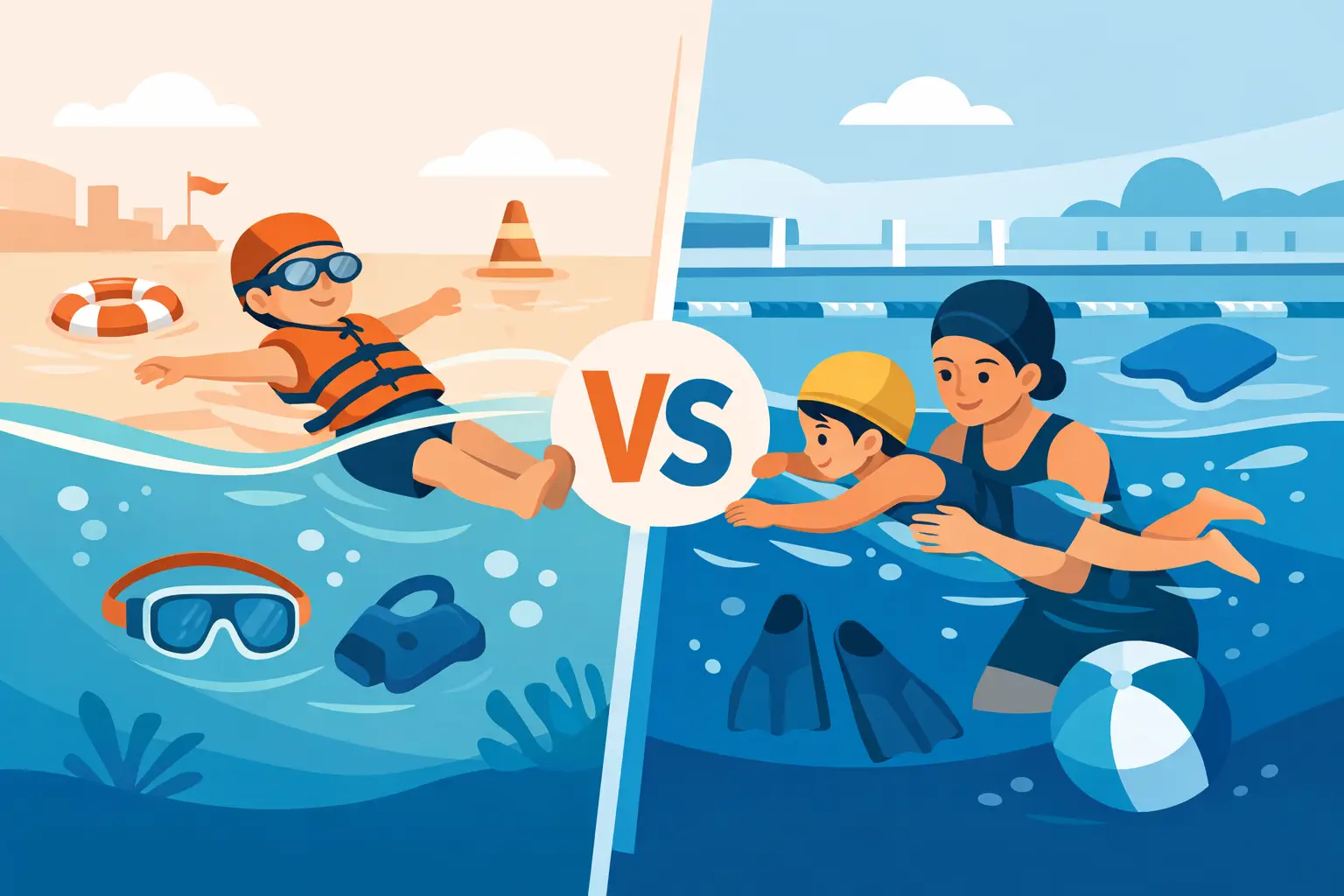
SwimSafer vs Learn to Swim: Which First?
Parents usually ask this when enrollment opens or a school test is coming up: should a child start with SwimSafer, or just join regular swimming lessons first? The short answer in the swimsafer vs learn to swim debate is that they are not the same thing. One is a national framework with staged outcomes and assessments. The other is the broader process of learning how to be safe, confident, and competent in the water.
That difference matters because choosing the wrong starting point can slow progress. A child who is not yet comfortable putting their face in the water may struggle in a test-focused setting. On the other hand, a swimmer who already has basic control may benefit from structured SwimSafer progression sooner rather than later.
SwimSafer vs learn to swim – what is the actual difference?
Learn to swim is the foundation stage. It focuses on building comfort, breath control, floating, kicking, body position, movement through the water, and eventually stroke basics. For beginners, this stage is less about certificates and more about creating usable swimming ability and water confidence.
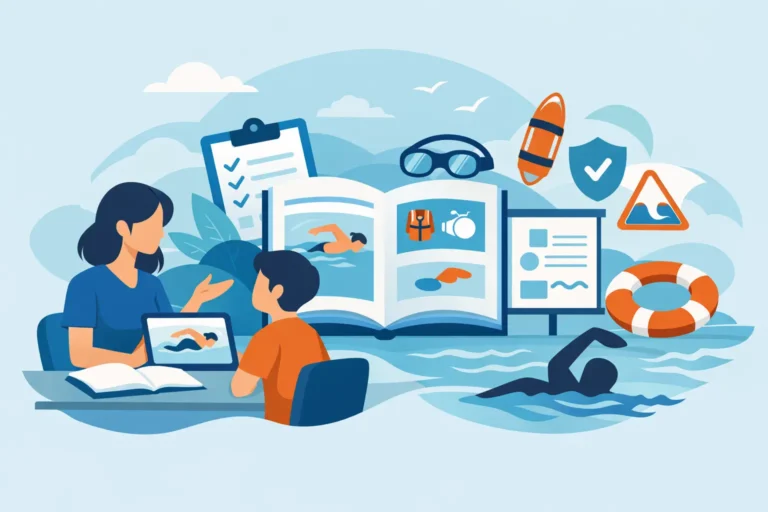
SwimSafer is a structured progression system that goes further than basic strokes alone. It includes survival skills, safe entries and exits, personal water safety, and staged benchmarks. In Singapore, it is closely tied to school expectations, formal assessments, and measurable advancement.
So if you compare the two directly, learn to swim is the skill-building journey, while SwimSafer is the structured pathway that measures readiness and progression. They overlap, but they are not interchangeable.
When regular learn to swim lessons make more sense
For many toddlers, young children, and nervous beginners, regular learn to swim lessons are the better first step. This is especially true when the swimmer still needs time to trust the water, listen to instructions, and perform basic movements without panic or resistance.
A good early-stage program develops core habits first. That means blowing bubbles, submerging comfortably, floating on front and back, kicking with control, and moving independently over short distances. Without these basics, formal stage requirements can feel rushed.
This is also true for adults. If an adult learner has fear of water, poor breath control, or no previous experience, jumping straight into SwimSafer-style outcomes is usually not the fastest route. Confidence comes before certification.
The advantage of starting with learn to swim is flexibility. Coaches can slow down, repeat drills, and personalize instruction around the swimmer’s barriers. Progress may not be measured by a badge right away, but the foundation is often stronger.
When SwimSafer is the smarter starting point
If a child already has basic water confidence and can follow instructions in a structured class, SwimSafer can be a very effective path. It gives parents a clear framework, known skill targets, and a visible progression route.
This is often the right fit for school-age children whose families want both swimming competency and assessment readiness. Instead of learning random skills in no particular order, the swimmer works toward defined standards. That creates focus.
SwimSafer is also valuable for families who care strongly about water survival skills, not just stroke appearance. A child may be able to paddle forward, but that does not automatically mean they can tread water, recover safely, or respond well in a real situation. SwimSafer addresses that gap.
For stronger beginners and intermediate swimmers, the structure can speed up progress because lessons are organized around clear outcomes rather than open-ended practice.
Why some children struggle when placed into SwimSafer too early
The most common mistake is assuming that age equals readiness. It does not. A seven-year-old who is still anxious in deeper water may be less prepared than a five-year-old who already floats and kicks independently.
Another issue is overvaluing certificates before actual control in the water. If the swimmer is pushed toward test preparation too soon, technique can become messy and confidence can drop. That usually leads to frustration for both parent and child.
There is also a practical concern. SwimSafer includes more than just swimming from one end to another. If the swimmer cannot yet manage basic breathing, streamlining, or body balance, survival and safety components become much harder to perform properly.
Structured progression works best when the swimmer is truly ready for structure.
What parents in Singapore should really look at
The better question is not simply swimsafer vs learn to swim. It is: what can my child do safely and consistently right now?
If your child can already submerge, float, kick, and move short distances with reasonable control, a SwimSafer pathway may be appropriate. If those skills are still emerging, standard learn to swim lessons are usually the better starting point.
Look at behavior as much as ability. Can your child follow multi-step instructions? Stay calm when a drill feels unfamiliar? Repeat skills without shutting down? Those signs matter because structured progression depends on consistency, not one lucky performance.
Parents should also think about goals. If the priority is water confidence and survival readiness for a beginner, foundation lessons are often the right first investment. If the priority is stage progression, school-related preparation, or formal assessment milestones, SwimSafer becomes more relevant.
Learn to swim first, then SwimSafer – often the best route
In practice, the strongest pathway is often not one or the other. It is learn to swim first, followed by SwimSafer once the swimmer has stable basics.
This approach reduces unnecessary pressure early on. It allows beginners to build confidence, coordination, and trust in the coach before performance standards are introduced. Once those basics are consistent, progression into SwimSafer is usually smoother and faster.
That transition point is important. Moving too late can slow formal advancement. Moving too early can create stress and poor habits. Experienced coaches look for readiness signs such as controlled breathing, independent movement, and the ability to perform repeated tasks with understanding rather than guesswork.
For many families, this staged route delivers the best of both worlds – genuine swimming ability first, then structured certification and safety progression after.
What adult learners should know
Adults often assume SwimSafer is only for kids, but the comparison still matters. If an adult wants to become safe and functional in the water, learn to swim is usually the immediate priority. Basic survival ability, confidence, floating, and propulsion come first.
If the adult later wants formal benchmarks, teaching pathways, or a more structured skills framework, a progression-based track can make sense. But adults rarely benefit from being rushed into assessments before they can relax and control their breathing.
A results-driven program should still respect the learning curve. Fast progress does not mean skipping foundations.
How to choose the right program
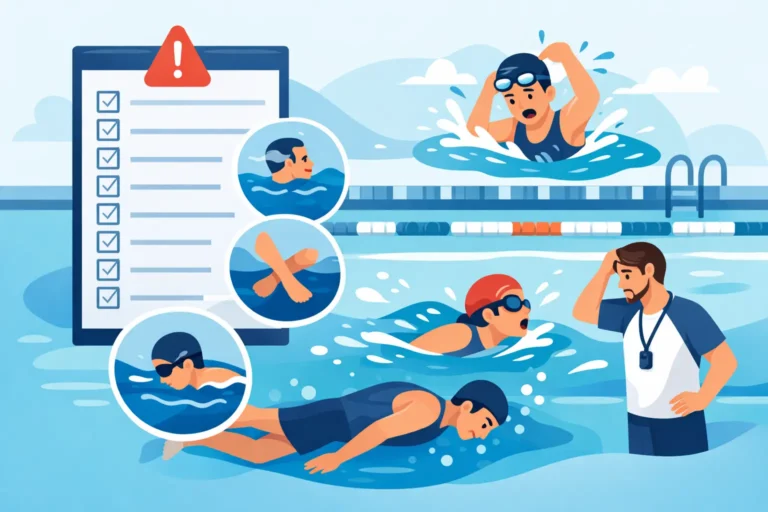
Start with an honest assessment, not an assumption. A proper evaluation should look at water confidence, breath control, floating ability, kicking control, coordination, listening skills, and comfort level in the class environment.
Then match the program to the swimmer’s current stage. Beginners need skill acquisition. Developing swimmers need consistency and correction. Test-ready swimmers need structured drills, stage alignment, and assessment practice.
This is where experienced coaching makes a real difference. A school that understands both foundation teaching and SwimSafer progression can place swimmers more accurately and adjust the path when needed. AQZOG has built its teaching approach around exactly that kind of structured progression, with safety and measurable improvement at the center.
The right choice depends on readiness, not labels
If you strip away the names, the decision becomes clearer. Learn to swim teaches a person how to function in the water. SwimSafer measures and develops that ability within a recognized progression system that includes safety and survival outcomes.
Neither option is automatically better. It depends on the swimmer’s baseline, confidence level, age, goals, and urgency around assessment. For some, SwimSafer is the right next step now. For others, it is the right step later.
The best program is the one that builds real ability, not just short-term results. When swimmers feel safe, improve in sequence, and train with a clear purpose, progress tends to come faster and last longer. That is the path worth choosing.