Improve your Rest Heart Rate
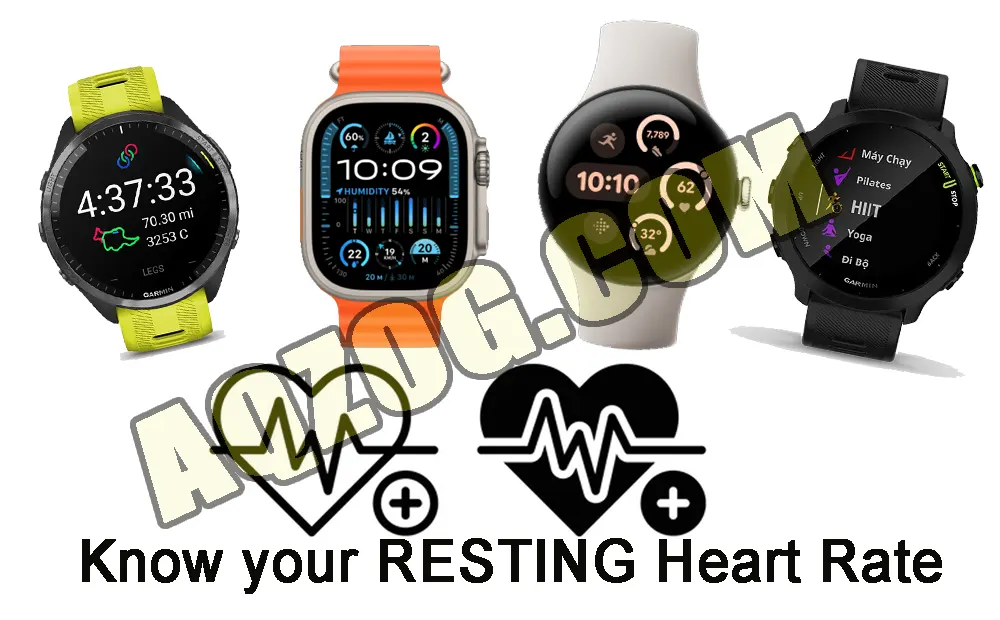
“Improve your resting heart rate” means lowering your Resting Heart Rate (RHR) to a healthier range, which indicates better cardiovascular fitness and overall heart health.
Why Is a Lower Resting Heart Rate Better?
A lower RHR means:
✔️ Your heart is stronger and more efficient.
✔️ It pumps blood with fewer beats, reducing strain.
✔️ You have better endurance and fitness levels.
✔️ There is a lower risk of heart disease, stroke, and high blood pressure.
What Is a Healthy Resting Heart Rate?
- Normal RHR for adults: 60–100 bpm
- Athletes & very fit individuals: 40–60 bpm
- Ideal target for general health: 60–70 bpm
Ways to Improve (Lower) Your Resting Heart Rate
1️⃣ Exercise Regularly – Do cardio (swimming, cycling, running) and strength training.
2️⃣ Eat a Heart-Healthy Diet – More omega-3s, potassium, antioxidants, and less processed food.
3️⃣ Stay Hydrated – Dehydration can increase your heart rate.
4️⃣ Reduce Stress – Try meditation, deep breathing, or yoga.
5️⃣ Get Enough Sleep – Aim for 7–9 hours per night.
6️⃣ Limit Caffeine & Alcohol – Too much can increase heart rate.
7️⃣ Monitor Your Progress – Use a fitness tracker or smartwatch.
Dieting Tips to Imrpove (Lower) Your Resting Heart Rate
Improving your resting heart rate (RHR) involves a combination of regular exercise, stress management, and a heart-healthy diet. Here are 5 suggestions with a focus on diet:
- Increase Omega-3 Intake
Omega-3 fatty acids help reduce inflammation and lower your heart rate.- Foods to eat: Fatty fish (salmon, mackerel, sardines), flaxseeds, chia seeds, walnuts.
- Tip: Aim for at least two servings of fatty fish per week.
- Eat More Potassium-Rich Foods
Potassium helps balance sodium levels and ease tension in blood vessels, promoting a steady heart rate.- Foods to eat: Bananas, sweet potatoes, spinach, avocados, oranges.
- Tip: Add banana slices to oatmeal or avocado to your salads.
- Focus on Antioxidant-Rich Fruits and Vegetables
Antioxidants combat oxidative stress, which can lower heart rate and blood pressure.- Foods to eat: Berries (blueberries, strawberries), kale, broccoli, bell peppers.
- Tip: Blend berries into smoothies or snack on them throughout the day.
- Limit Processed Foods and Added Sugars
Highly processed foods and excess sugar can raise blood pressure and heart rate.- Foods to avoid: Sugary drinks, packaged snacks, fried foods.
- Tip: Swap sugary drinks for herbal teas or infused water with lemon and mint.
- Stay Hydrated and Include Magnesium
Dehydration can cause your heart rate to increase. Magnesium also plays a crucial role in heart health.- Foods to eat: Almonds, pumpkin seeds, dark leafy greens, beans.
- Tip: Keep a water bottle with you and add magnesium-rich snacks like a handful of almonds.
In addition to diet, pairing these tips with regular aerobic exercise, stress management (like meditation), and getting enough sleep will greatly support lowering your resting heart rate.
Simple 3-day Meal Plan
Here’s a simple 3-day meal plan to help improve your resting heart rate by focusing on heart-healthy foods rich in omega-3s, potassium, antioxidants, and magnesium while avoiding processed foods and excess sugar.
Day 1
Breakfast
🥑 Avocado toast on whole grain bread + boiled egg
🍓 Mixed berries (strawberries, blueberries, raspberries)
☕ Green tea or herbal tea
Lunch
🐟 Grilled salmon with quinoa and sautéed spinach
🥗 Side salad with olive oil & lemon dressing
💧 Infused water with cucumber & mint
Snack
🥜 Handful of almonds and walnuts
🍌 1 small banana
Dinner
🍗 Baked chicken breast with roasted sweet potatoes & steamed broccoli
🥑 Sliced avocado on the side
🍵 Chamomile tea
Day 2
Breakfast
🥣 Oatmeal with flaxseeds, chia seeds, and walnuts
🍊 Fresh orange slices
🥛 Almond milk
Lunch
🐠 Grilled mackerel with brown rice and steamed asparagus
🥗 Cucumber and tomato salad with olive oil dressing
💧 Lemon-infused water
Snack
🥜 Handful of pumpkin seeds
🍏 Green apple
Dinner
🍲 Lentil and vegetable soup with whole grain bread
🥬 Side of sautéed kale with garlic
🍵 Herbal tea
Day 3
Breakfast
🍳 Scrambled eggs with spinach & whole grain toast
🍌 Banana slices with almond butter
☕ Herbal tea
Lunch
🐟 Tuna salad (with mixed greens, avocado, tomatoes, and olive oil dressing)
🍠 Roasted sweet potatoes
💧 Coconut water
Snack
🥜 Handful of cashews and dark chocolate (85% cocoa)
🍓 A small bowl of mixed berries
Dinner
🥗 Grilled tofu or lean turkey with quinoa and roasted bell peppers
🥑 Side of avocado slices
🍵 Chamomile tea
Additional Tips
✅ Drink at least 2 liters of water daily to stay hydrated.
✅ Reduce caffeine intake if it affects your heart rate.
✅ Avoid processed foods, excess salt, and sugary snacks.
How to know if your Resting Heart Rate has Improved?
To know if your resting heart rate (RHR) has improved, follow these steps:
1. Measure Your Resting Heart Rate Correctly
- When to measure: In the morning before getting out of bed.
- How to measure:
- Place two fingers (index and middle) on your wrist (radial artery) or neck (carotid artery).
- Count the number of beats for 60 seconds (or for 30 seconds and multiply by 2).
- Alternatively, use a smartwatch, fitness tracker, or heart rate monitor for accuracy.
2. Track Your RHR Over Time
- Measure at the same time daily to ensure consistency.
- Record your readings and look for trends over several weeks.
- A lower and stable RHR over time suggests improvement.
3. Compare Your RHR to Healthy Ranges
- Normal RHR for adults: 60-100 bpm
- Athletes & highly fit individuals: 40-60 bpm
- If your RHR is gradually lowering towards the 60-70 bpm range (or lower if you’re athletic), it’s a sign of better cardiovascular fitness.
4. Observe Physical & Lifestyle Changes
- Do you feel less fatigued during daily activities?
- Can you exercise longer without feeling breathless?
- Do you recover faster after workouts?
- Are you sleeping better and feeling more relaxed?
5. Check Heart Rate Variability (HRV)
- HRV measures the variation in time between heartbeats. Higher HRV indicates better heart health.
- Use a fitness tracker or a specialized app to monitor HRV over time.
What If Your RHR Isn’t Improving?
- Ensure you’re consistent with exercise, diet, hydration, and stress management.
- Avoid excessive caffeine, alcohol, or dehydration as they can increase RHR.
- If RHR remains high or increases without a clear reason, consult a doctor.
📱Best Heart Rate Tracking Apps
1️⃣ Google Fit (Android & iOS) – Free
- Uses your smartphone’s camera to measure heart rate.
- Tracks steps, activity, and sleep.
2️⃣ Apple Health (iOS) – Free
- Works with Apple Watch and iPhone sensors.
- Provides detailed heart rate trends.
3️⃣ Heart Rate Monitor by Azumio (Android & iOS) – Free & Paid Version
- Uses your phone’s camera to track heart rate.
- Offers real-time pulse measurement.
4️⃣ Welltory (Android & iOS) – Free & Premium Plans
- Measures heart rate variability (HRV) for stress and fitness insights.
- Works with wearables like Fitbit, Garmin, and Apple Watch.
5️⃣ Elite HRV (Android & iOS) – Free & Paid Version
- Focuses on HRV to track heart health.
- Works best with chest strap monitors like Polar H10.
⌚ Best Heart Rate Tracking Devices
🏃♂️ Fitness Trackers & Smartwatches
🔹 Apple Watch Series 9 / Ultra 2
- Accurate wrist-based heart rate tracking.
- Tracks HRV, resting heart rate, and ECG.
🔹 Garmin Forerunner 255 / Fenix 7
- Best for athletes and runners.
- Advanced heart rate and HRV tracking.
🔹 Fitbit Charge 6 / Fitbit Sense 2
- Tracks resting heart rate, HRV, and stress levels.
- Good for general fitness users.
🔹 Samsung Galaxy Watch 6
- Works well with Android users.
- Offers continuous heart rate tracking and ECG.
⚡ Chest Strap Heart Rate Monitors (More Accurate for Athletes)
🔹 Polar H10
- One of the most accurate chest strap heart rate monitors.
- Connects via Bluetooth to phones, watches, and fitness apps.
🔹 Garmin HRM-Pro Plus
- Tracks heart rate and HRV.
- Great for swimmers, runners, and cyclists.
Enjoy and stay fit.