SwimSafer Stage 1 – How to Prepare and Pass Confidently
SwimSafer Stage 1 – How to Prepare and Pass Confidently
(Complete Parent & Student Guide)
SwimSafer Stage 1 is the foundation of water confidence and safety for young learners in Singapore. Whether your child is stepping into the pool for the first time or has had casual water play exposure, Stage 1 sets the tone for their entire swimming journey. Passing this stage is not about swimming fast or far—it is about feeling safe, calm, and in control in water.
This in-depth guide is written to help parents, students, and beginner swimmers fully understand how to prepare, train, and pass SwimSafer Stage 1 successfully—with confidence, not fear.
What Is SwimSafer Stage 1?
SwimSafer Stage 1 is designed to introduce basic water survival and confidence skills in a safe, structured environment. It focuses on:
- Water confidence
- Breath control
- Safe entry and exit
- Assisted floating
- Basic movement in water
- Understanding pool safety rules
At this level, technique is secondary. The primary goal is to ensure the child is comfortable, relaxed, and responsive in water.
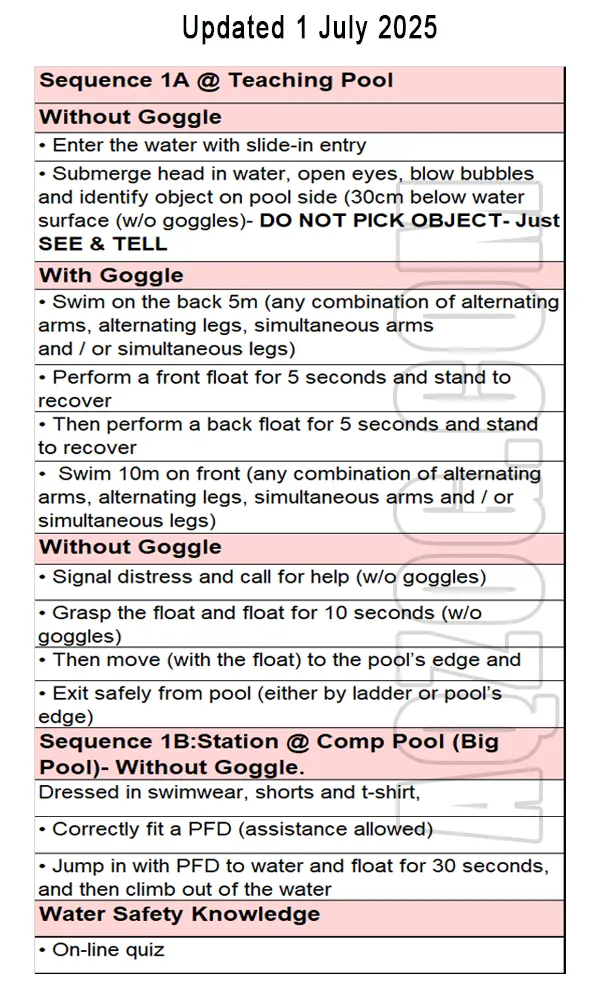
Key Skills Tested in SwimSafer Stage 1

4
1. Water Entry (Assisted)
Children must demonstrate a safe and calm entry into the pool with instructor assistance.
✔ No jumping
✔ No panic
✔ No resistance
Preparation Tip: Practice sitting and sliding into water at steps or pool edge.
2. Face Submersion & Breath Control
Children must be able to:
- Wet their face
- Blow bubbles
- Briefly submerge mouth or nose
This is often the biggest challenge for beginners.
Preparation Tip:
Practice bubble blowing during bath time using cups, toys, or straws.
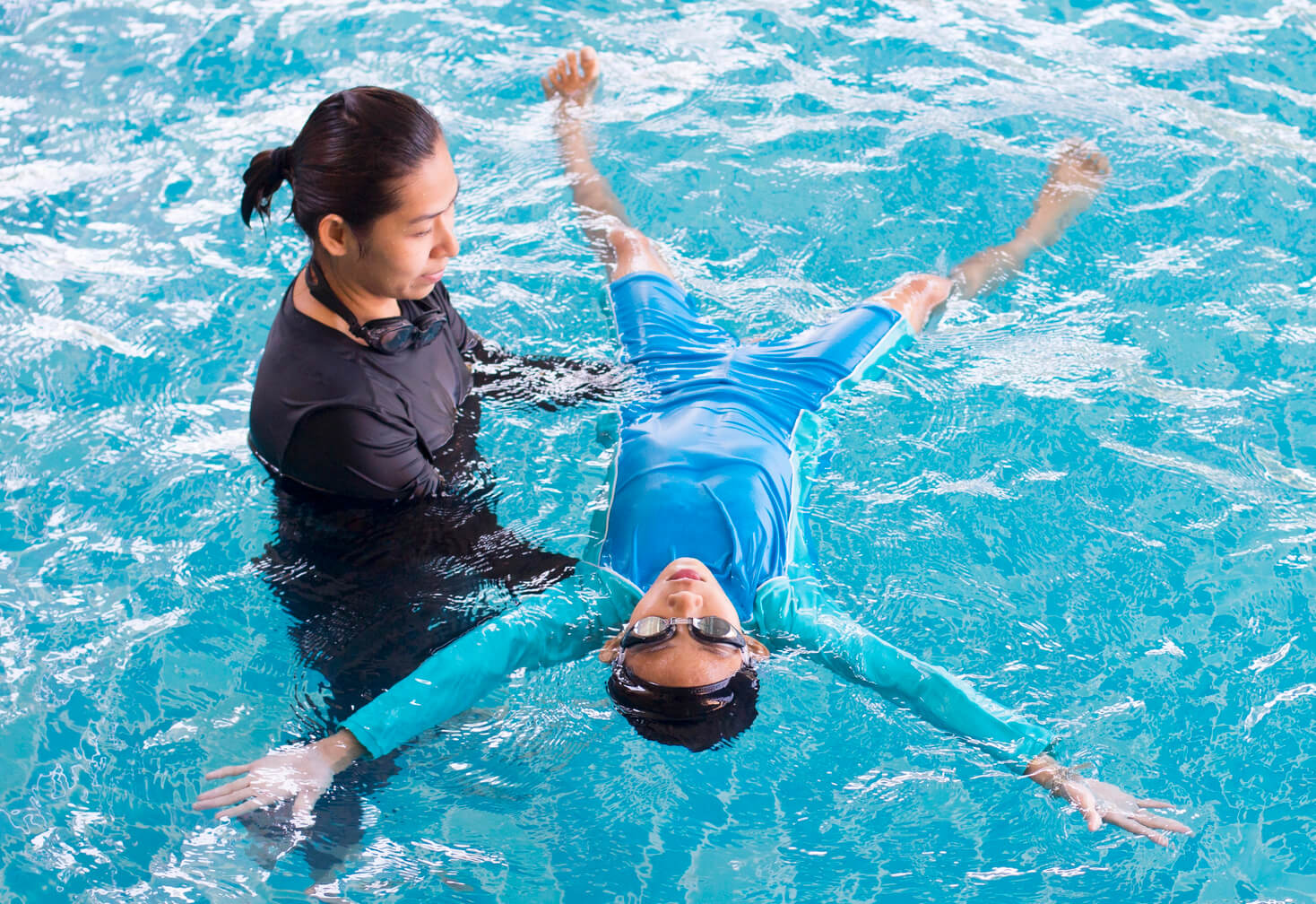
3. Assisted Floating (Back or Front)
The child must show:
- Trust in instructor support
- Relaxed body posture
- Calm breathing
❌ Stiff body
❌ Crying or grabbing tightly
❌ Holding breath excessively
Preparation Tip:
Teach children to “sleep like a starfish” on the bed to simulate floating posture.
4. Basic Movement in Water
This includes:
- Walking or paddling with support
- Moving short distances
- Kicking while holding onto support
The goal is mobility, not speed.
5. Safe Exit from the Pool
Children must be able to:
- Move to pool edge
- Hold on
- Exit safely with assistance
This reinforces self-rescue awareness.
6. Knowledge of Pool Safety Rules
Children are expected to understand simple rules such as:
- No running
- Listen to instructor
- Stay within designated area
This shows awareness and discipline, not memorisation.
Common Reasons Children Do Not Pass Stage 1
Understanding these helps parents prepare effectively:
- Fear of face in water
- Separation anxiety
- Inconsistent attendance
- Pressure from adults
- Rushing progression
💡 Important: Failing Stage 1 does not mean your child cannot swim. It simply means more time is needed to build confidence.
How to Prepare Effectively for SwimSafer Stage 1
1. Consistency Matters More Than Speed
Weekly lessons with regular water exposure help children feel familiar and safe.
2. Avoid Pressure Language
Do not say:
❌ “You must pass”
❌ “Other children can do it”
Instead say:
✅ “Just enjoy the water”
✅ “Your coach is here to help”
3. Practice Outside Lessons
Short, fun water exposure:
- Family pool time
- Splash play
- Bubble games
Even 5–10 minutes makes a difference.
4. Choose the Right Class Size
Smaller group classes allow:
- Better emotional support
- Faster trust-building
- More instructor attention
Mental Readiness Is the Real Key
SwimSafer Stage 1 is as much emotional training as physical learning.
A child who:
- Trusts the instructor
- Is calm in water
- Is willing to try
👉 is far more likely to pass than a technically stronger but anxious child.
How Long Does It Take to Pass SwimSafer Stage 1?
There is no fixed duration. On average:
- 8–12 lessons for confident learners
- 12–20 lessons for cautious beginners
Every child progresses at their own pace—and that is perfectly normal.
What Happens After Passing Stage 1?
Once your child passes Stage 1, they move on to:
- Independent floating
- Short-distance swimming
- Improved breath control
- Early survival skills
Stage 1 success builds the emotional foundation for all future swimming stages.
Why SwimSafer Stage 1 Is So Important in Singapore
With Singapore being surrounded by water and having:
- Public pools
- Beaches
- Water play areas
Water safety is not optional—it is a life skill.
SwimSafer Stage 1 ensures that every child learns respect for water before learning speed or strokes.
Frequently Asked Questions (FAQ)
Q1: What is the passing criteria for SwimSafer Stage 1?
Children must demonstrate basic water confidence, assisted floating, safe entry and exit, breath control, and pool safety awareness.
Q2: Can my child fail SwimSafer Stage 1?
Yes, and it is common. Failing simply means more time is needed. There is no penalty or negative record.
Q3: What age is suitable for SwimSafer Stage 1?
Typically 5 to 7 years old, but readiness matters more than age.
Q4: Does my child need to swim independently to pass?
No. Assistance is allowed and expected in Stage 1.
Q5: How can parents help at home?
Encourage water play, avoid pressure, and reinforce positive language around swimming.
Q6: Is crying during lessons normal?
Yes. Many children cry initially. Good instructors focus on trust-building, not force.
Q7: Can my child retake the assessment if they fail?
Yes. Retakes are allowed once the instructor feels the child is ready.
Q8: Is SwimSafer Stage 1 compulsory in Singapore?
It is not legally compulsory, but highly recommended for water safety and survival awareness.
Final Thoughts: Passing Stage 1 Is About Confidence, Not Competition
SwimSafer Stage 1 is not a race.
It is a gentle introduction to water safety, trust, and self-awareness.
When children are given time, encouragement, and the right environment, passing Stage 1 becomes a natural outcome, not a stressful goal.