Water Safety #1
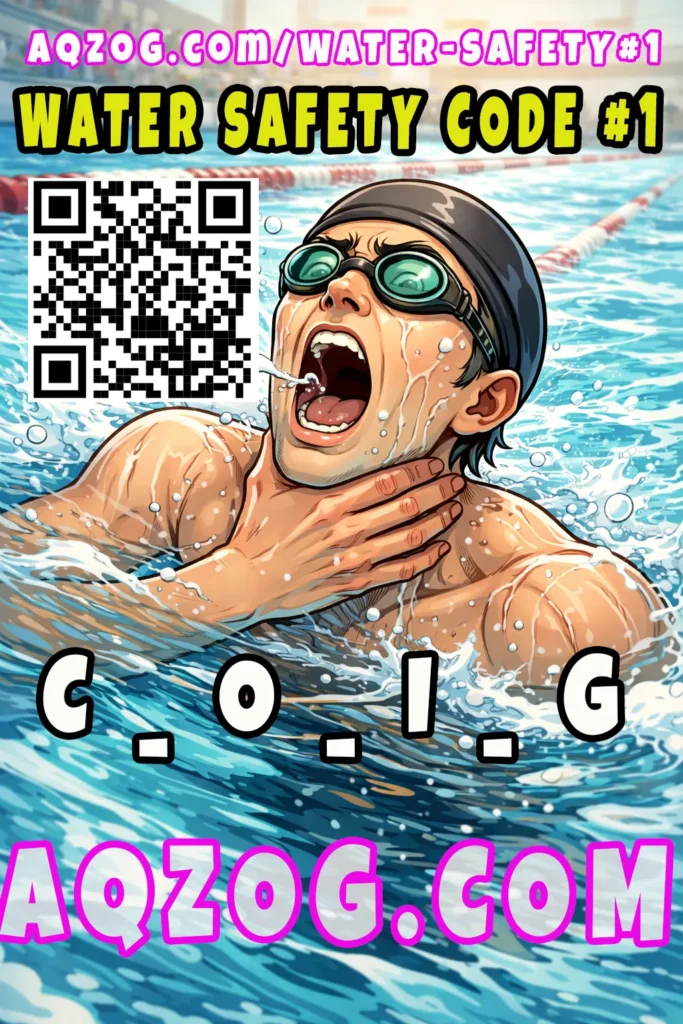
The correct Answer is “CHOKING”.
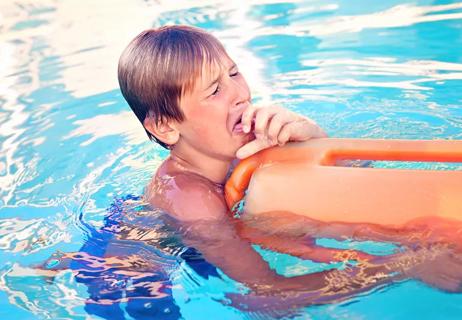
Choking while swimming can happen to beginners and experienced swimmers — especially during breathing drills, rough play, or panic moments. As a swim coach in Singapore running structured programs, this is something you should actively teach as part of water survival skills, not just strokes.
Here’s what to do 👇
🚨 If You Choke While Swimming

4
1️⃣ STOP & DON’T PANIC
- Panic makes you gasp → more water enters.
- Tell yourself: “I can float.”
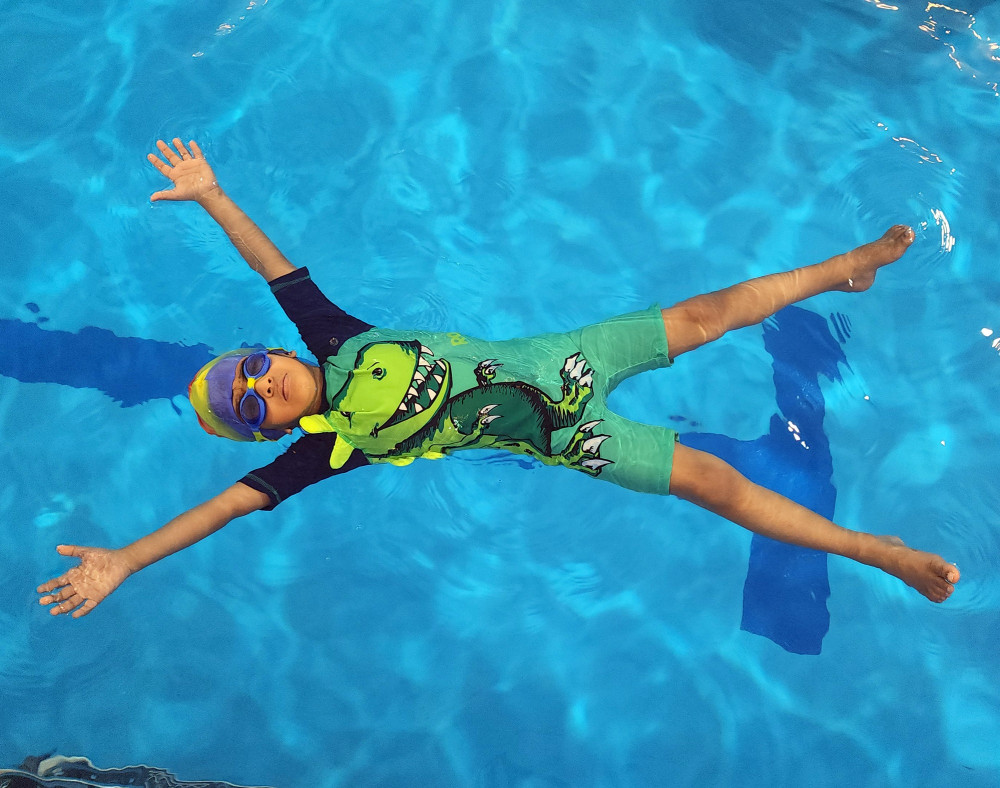
2️⃣ FLOAT IMMEDIATELY
- Roll onto your back.
- Spread arms and legs (starfish position).
- Keep your chin slightly up.
- Let your breathing settle.
👉 This is why back floating is a survival skill — not just a drill.
3️⃣ COUGH IT OUT
- Once stable, cough gently.
- Do NOT force big breaths immediately.
- Take slow inhale through nose, exhale through mouth.
4️⃣ MOVE TO SAFETY
- If near wall → hold the wall.
- If tired → signal for help.
- If in open water → float and wave one arm calmly.
🚨 If You See Someone Choking
DO:
- Stay calm.
- Encourage them to float.
- Extend a float or pole if available.
- Alert lifeguard immediately.
DON’T:
- Jump in without training.
- Grab and pull a panicking swimmer from the front.
⚠️ When To Seek Medical Help
Go to doctor or A&E if:
- Coughing continues for hours.
- Chest pain.
- Breathing difficulty.
- Fever later (possible secondary drowning risk).
🏊♂️ Prevention Tips (Teach This Early)
Since you run structured swim programs:
- Teach bubbling before stroke breathing.
- Progress from standing breath control → wall support → streamline glide.
- Include “unexpected splash drill” to train response.
- Always remind: Never swim alone (as AQZOG strongly advocate).
Frequently Asked Question on Choking while Swimming
1️⃣ What does it mean to choke while swimming?
Choking happens when water accidentally enters the mouth or airway, triggering coughing and difficulty breathing. It is usually caused by mistimed breathing, panic, splashing, or swallowing water unexpectedly.
2️⃣ Is choking the same as drowning?
No. Choking is a temporary airway irritation. Drowning happens when breathing is seriously impaired in water. However, choking can lead to panic — and panic increases drowning risk.
3️⃣ What should I do immediately if I choke while swimming?
Stop moving
Roll onto your back
Float and calm your breathing
Cough gently
Move to the wall when stable
Floating is the most important survival skill.
4️⃣ Why do beginners choke more often?
Beginners:
Have poor breath timing
Lift their head too high when breathing
Panic easily
Lack water confidence
This is why proper bubbling and breath control drills are critical in early swim lessons.
5️⃣ Can choking cause “secondary drowning”?
If a person continues coughing, has chest pain, fever, or breathing difficulty hours later, medical attention should be sought. Persistent symptoms are rare but must not be ignored.
6️⃣ Should I continue swimming after choking?
Only continue if:
Breathing is normal
No dizziness
No chest discomfort
Otherwise, stop and rest
7️⃣ What if a child panics after choking?
Calm reassurance is key:
Ask them to float on their back
Speak slowly
Make eye contact
Guide them to the wall
Never shout — it increases panic.
8️⃣ How can swim coaches prevent choking incidents?
Teach bubble blowing first
Train exhale fully underwater
Introduce side breathing progressively
Avoid rushing stroke progression
Water confidence must come before speed or distance.
9️⃣ What should I do if someone is choking in deep water?
Encourage floating immediately
Extend a float or pole
Alert lifeguard
Avoid grabbing from the front (risk of being pulled under)
“Reach, don’t jump” unless trained in rescue.
🔟 Can choking happen to strong swimmers?
Yes. Even experienced swimmers can choke due to:
Fatigue
Rough play
Waves (open water)
Unexpected splash
Poor timing during sprint sets
Water demands respect at every level.