Toddler Water Confidence Classes Explained
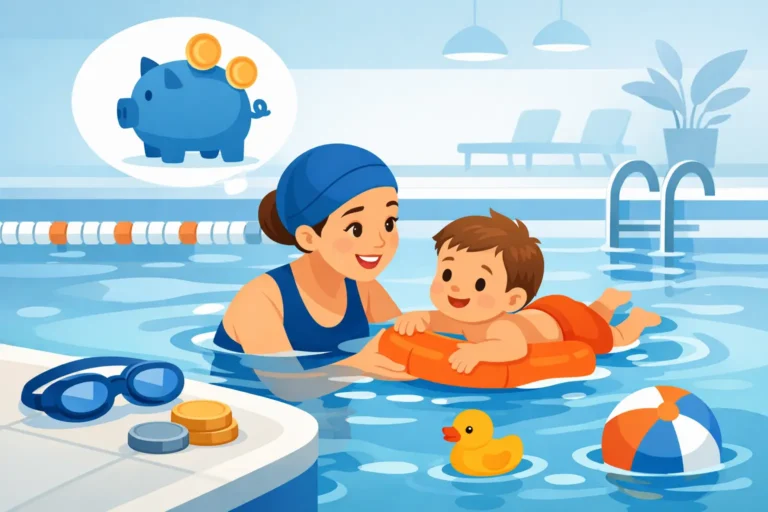
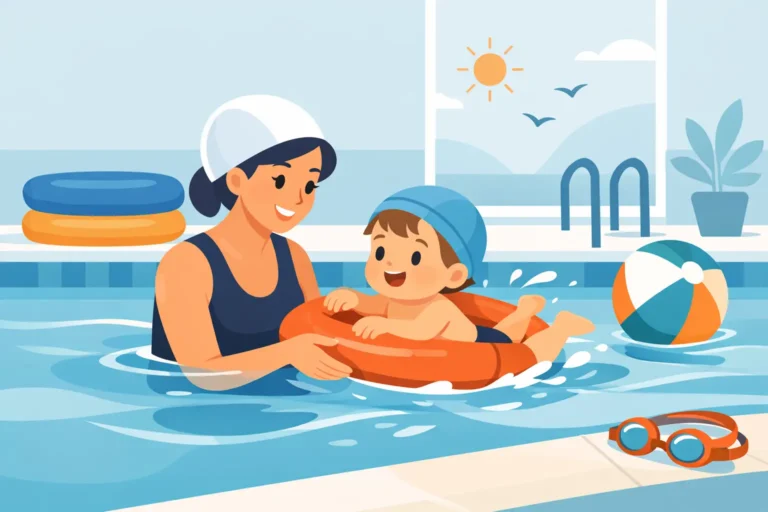
The first time a toddler steps into a pool, the goal should not be perfect kicks or polished strokes. It should be calm breathing, trust in the instructor, and a child who starts to feel that water is a place they can understand rather than fear. That is exactly where toddler water confidence classes matter. When taught properly, they give young children a safe, structured start that supports both water safety and long-term swimming progress.
For parents, the challenge is usually not whether swimming is valuable. It is knowing what kind of early class actually helps. Some programs are little more than playtime in the pool. Others push skill drills before a toddler is emotionally ready. The best approach sits in the middle – positive, age-appropriate, and clearly structured around confidence, safety, and gradual progression.
What toddler water confidence classes are meant to do
Toddler water confidence classes are designed to help very young children become comfortable and responsive in the water before formal stroke learning begins. That includes getting used to water on the face, moving with support, holding safe body positions, and listening to simple pool instructions. At this stage, confidence is not a soft extra. It is the foundation that makes later skill development possible.
A confident toddler is more likely to relax, participate, and repeat movement patterns that lead to real swimming ability later on. A child who feels pressured or frightened may resist lessons for months. That is why the early phase matters so much. Good instruction protects the child’s relationship with water while building useful habits from the start.
For many families, this is also the first formal step in a larger swim journey. A structured class can prepare a child for future group lessons, safety-based programs, and milestone progression when they are older. In that sense, early water confidence is not separate from skill development. It is the beginning of it.
Why early water confidence matters more than early stroke technique
Parents often ask when a toddler will learn to swim independently. The honest answer is that readiness varies. Some children show quick comfort in the pool. Others need more time to separate from a parent, follow instructions, or tolerate submersion activities. The timeline depends on age, temperament, previous water exposure, and the quality of coaching.
That is why early lessons should focus less on appearance and more on function. A toddler who can safely enter the water with support, hold a stable position, grip the wall, and recover calmly after splashing is building more meaningful readiness than a child who is rushed through imitation drills.
Confidence also improves learning efficiency. When children are relaxed, they process cues better. They are more willing to float, kick, reach, and practice repetition. In practical terms, that means fewer setbacks and stronger progression into beginner swim stages.
What to expect in toddler water confidence classes
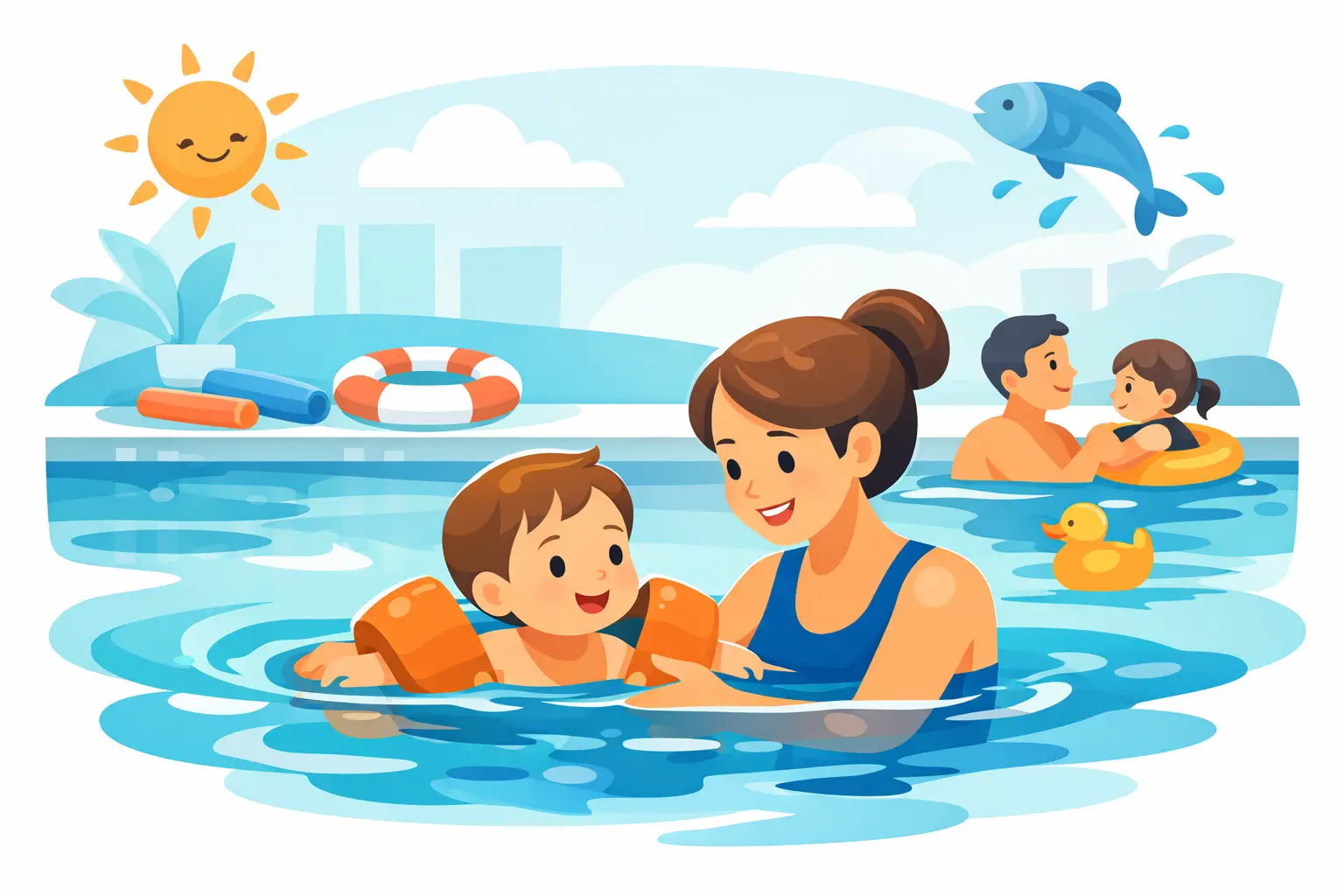
A well-run class is structured, but it should never feel rigid. Toddlers learn through repetition, rhythm, and familiarity. That means lessons often include the same core activities each week, with small progressions built in. This predictability helps children feel secure.
Most classes will work on safe water entry, supported kicking, floating positions, breath comfort, movement to the wall, and simple response skills such as stopping, holding, or turning toward an instructor. Songs and play-based cues may be used, but the purpose should still be instructional. Play is useful when it supports a learning outcome.
Class size matters as well. Younger children generally do better when there is enough instructor attention to manage both technique and emotional comfort. If a class is too crowded, some toddlers spend most of the lesson waiting, clinging, or becoming overstimulated. Small-group or semi-private formats often allow better observation, correction, and reassurance.
The pool environment also affects outcomes. Warm water, clear routines, and experienced coaches make a significant difference. Toddlers notice everything – noise levels, transitions, facial expressions, and how they are handled during moments of uncertainty.
Signs a class is helping your child progress
Progress at this age is not always dramatic from week to week, but it is usually visible. A child who enters the pool more willingly, tolerates splashing better, reaches for toys with less hesitation, or recovers quickly after a new activity is moving forward. Confidence often appears in small but important shifts.
You may also notice stronger listening. Toddlers who begin responding to simple cues like hold the wall, kick, or turn around are developing lesson readiness as much as water confidence. That matters because future swim learning depends heavily on attention and cooperation.
Physical skills do emerge, but they should be judged realistically. Better body position, stronger assisted kicking, improved balance in the water, and less reliance on constant clinging are all good signs. Independent swimming is not the only marker of success at this stage.
How to choose the right toddler water confidence classes
Not every program that welcomes toddlers is built well. Parents should look for classes led by instructors who understand both child development and water safety. Teaching young children requires more than patience. It requires a progression system, clear lesson objectives, and the judgment to know when to encourage and when to slow down.
Ask how the program structures learning. Is there a clear path from water introduction to beginner swim readiness? Are safety behaviors taught intentionally? Does the instructor adapt for shy children, highly active children, or toddlers who need extra repetition? These questions tell you more than a general promise of fun.
It also helps to ask what the class is not trying to do. Any serious swim educator should be honest that toddler lessons are introductory. They build confidence, familiarity, and early control. They reduce fear and create a safer, more teachable child in the water. They are not a guarantee that a two-year-old will become fully independent in a short course.
Parents in structured swim systems often benefit from choosing a school that sees toddler classes as part of long-term development rather than a standalone activity. AQZOG takes that approach by treating early exposure as the first stage in a progression built around water safety, measurable improvement, and future swim readiness.
Common concerns parents have
One common concern is crying. Some toddlers cry during the first few lessons, especially in a new environment. Crying does not automatically mean the class is wrong. The better question is how the instructor responds. Calm pacing, consistency, and appropriate support usually help a child settle over time. Forceful methods do not.
Another concern is whether parent-accompanied classes or independent classes are better. It depends on the child. Parent-accompanied sessions can help with emotional security and routine for younger toddlers. Independent classes may work well for children who are ready to separate and focus on instructor-led tasks. The right choice is the one that supports progress without creating unnecessary stress.
Parents also worry about speed. They want visible results, which is understandable. But with toddlers, fast results are not always the same as lasting results. A child who learns to stay calm, trust the coach, and respond safely in the water is often on a stronger long-term path than one who is pushed into impressive-looking but unstable skills.
Getting better results from class time
The class itself is only part of the process. Toddlers benefit when parents support consistency. Regular attendance helps because early confidence is built through repetition. Long gaps often mean children need to rebuild comfort before moving forward.
It also helps to keep expectations steady. Praise effort, not just performance. If your toddler put their face near the water more willingly this week than last week, that is progress. If they held a float position for two more seconds, that counts too.
When families use recreational pool time, it should match what the child is learning. Calm practice, safe entries, wall holding, and familiar movement patterns reinforce lessons. Random rough play can do the opposite, especially for cautious toddlers.
Why this stage sets up future swim success
Children who start with proper water confidence training often transition more smoothly into beginner learn-to-swim programs. They are less likely to resist instruction and more likely to accept correction, attempt movement, and repeat technical skills. That creates a better base for floating, kicking, breathing control, and eventually stroke development.
There is also a safety benefit. Water confidence does not replace supervision, and it does not make a toddler drown-proof. But it can improve how a child behaves in the water, how they respond to guidance, and how quickly they orient themselves in a pool setting. Those are valuable outcomes for any family.
The strongest toddler classes do not promise shortcuts. They offer something better – a careful, structured beginning that respects both the child’s pace and the serious purpose of swim education. Start there, and the next stages tend to come with less fear, better habits, and much stronger progress.