H-E-L-P in Swimsafer
H-E-L-P in SwimSafer: Another Survival Skill


The H-E-L-P position stands for Heat Escape Lessening Position. It is a crucial survival skill taught in the SwimSafer Programme to help swimmers conserve body heat and energy if they are stranded in cold water while wearing a life jacket.
Although Singapore has a tropical climate, the H-E-L-P position is still an important concept in water safety education because survival techniques apply globally. When swimmers participate in activities such as open water swimming, kayaking, dragon boating, sailing, or offshore boating, knowing how to maintain body heat and conserve energy can significantly increase survival time.
In the SwimSafer framework, this technique helps students understand self-preservation in emergencies, which is a key component of aquatic survival skills.
What Does H-E-L-P Mean?
H-E-L-P = Heat Escape Lessening Position
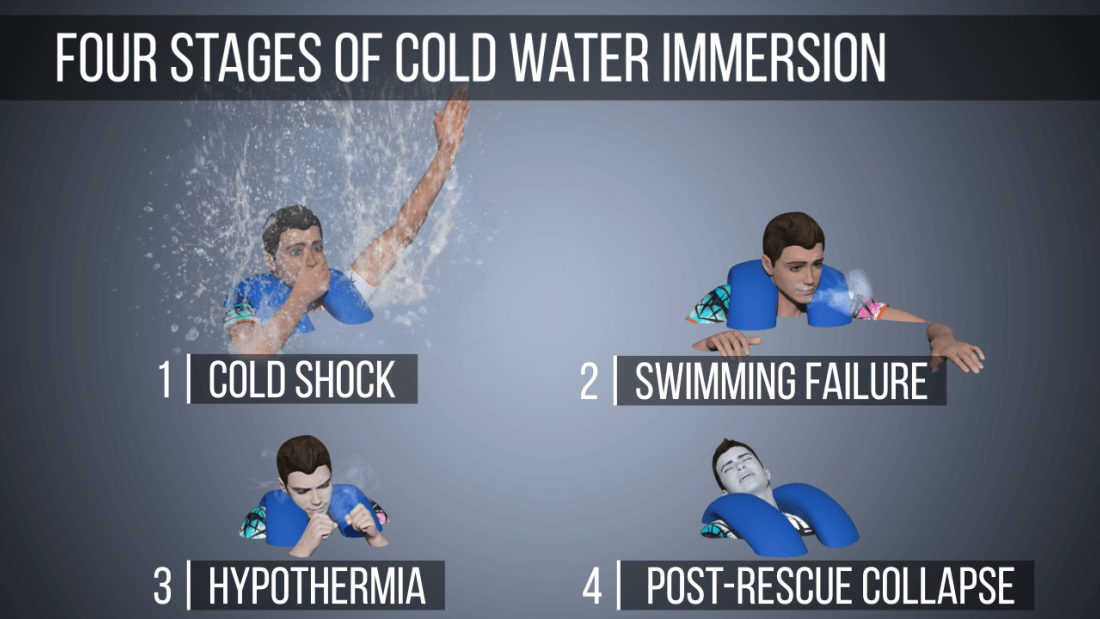
When a person falls into cold water, the body begins to lose heat rapidly. The human body loses heat 25 times faster in water than in air. If the body temperature drops too low, a condition called Hypothermia may occur.
Hypothermia can lead to:
- Shivering
- Loss of coordination
- Confusion
- Fatigue
- Unconsciousness
The H-E-L-P position helps slow down heat loss, keeping vital organs warmer for a longer period of time.
Why the H-E-L-P Position Is Important

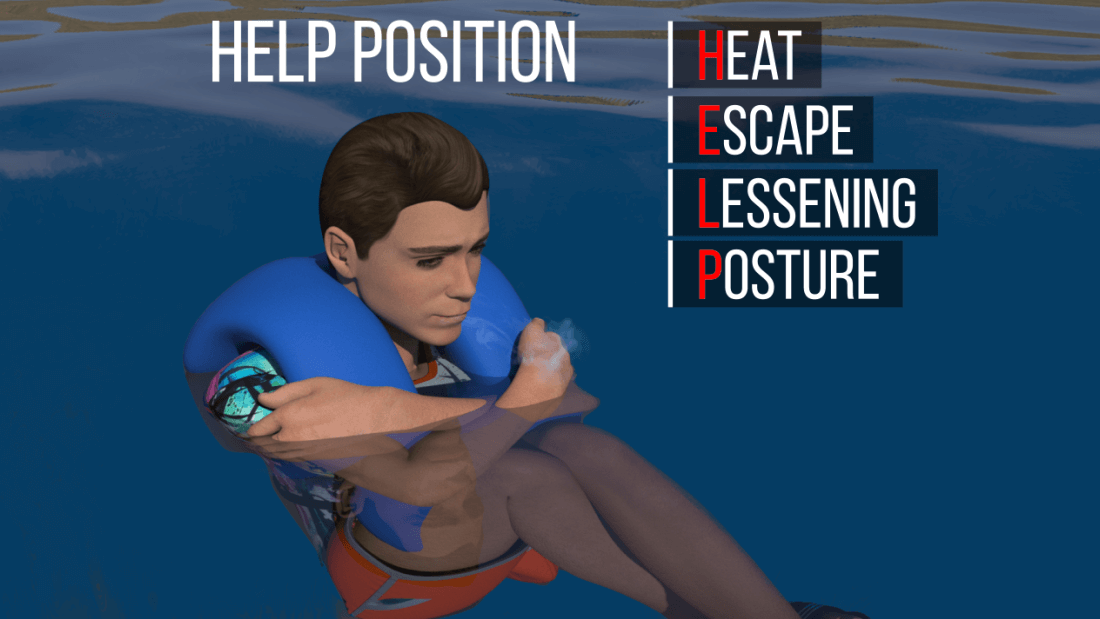
The H-E-L-P position is particularly effective when the swimmer is wearing a life jacket or personal flotation device.
Key benefits include:
1. Conserves Body Heat
By curling the body into a compact position, the swimmer reduces exposed surface area. This helps retain warmth around vital organs such as the heart, lungs, and brain.
2. Saves Energy
Swimming continuously in survival situations can quickly exhaust a person. The H-E-L-P position allows the swimmer to float passively, preserving energy until help arrives.
3. Increases Survival Time
In emergencies such as boat accidents or drifting situations, conserving heat and energy may give rescuers more time to locate the victim.
4. Prevents Panic
When swimmers learn this skill during SwimSafer training, they gain confidence that they have a survival strategy if they unexpectedly fall into deep water.
5. Enhances Water Safety Awareness
Teaching the H-E-L-P position encourages swimmers to think beyond strokes and speed. It reinforces the importance of survival thinking in aquatic environments.
Step-by-Step Guide to Performing the H-E-L-P Position

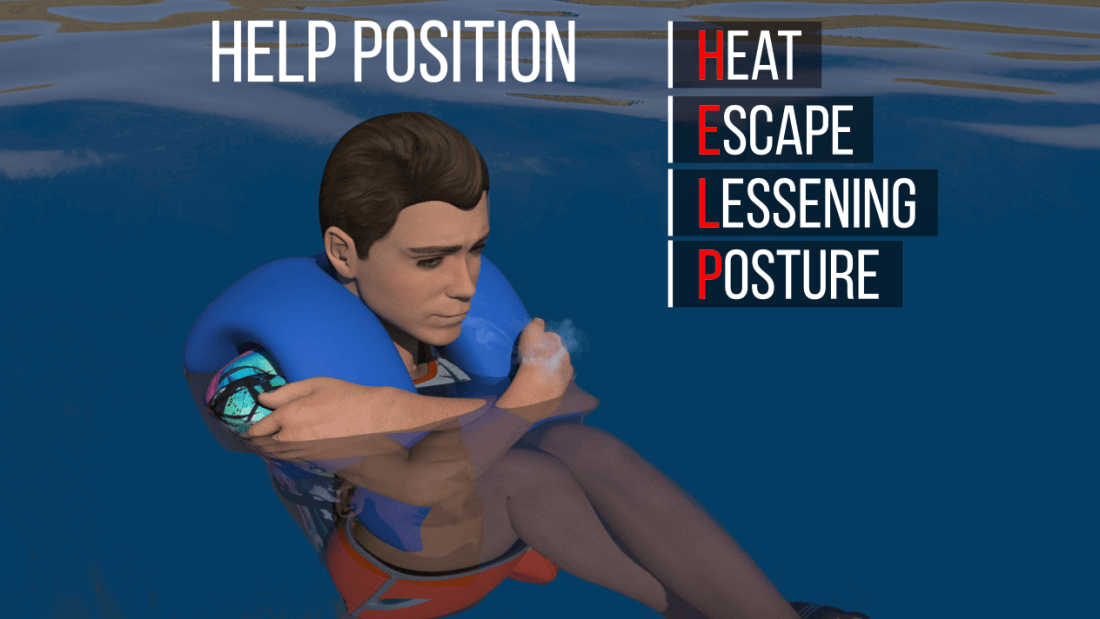
Follow these steps to perform the H-E-L-P survival position:
Step 1: Wear a Life Jacket
The H-E-L-P position works best when wearing a personal flotation device (PFD). The life jacket keeps the swimmer afloat without needing to tread water.
Step 2: Bring Your Knees Up
Pull both knees toward your chest.
Step 3: Hug Your Legs
Wrap your arms around your knees to keep the body in a tight position.
Step 4: Keep Your Chin Down
Lower your head slightly so that the face stays above water while minimizing heat loss from the neck.
Step 5: Stay Still and Relax
Avoid unnecessary movements. Floating calmly helps preserve both body heat and energy.
When Should You Use the H-E-L-P Position?
This survival technique is useful in situations such as:
- Falling into cold open water
- Waiting for rescue after a boat accident
- Being stranded during water sports activities
- Situations where swimming long distances is impossible
If several people are stranded together, another technique called the “huddle position” may be used, where swimmers group together to reduce heat loss.
How SwimSafer Teaches Survival Thinking
The SwimSafer framework does not only focus on swimming strokes such as freestyle or breaststroke. It also teaches survival and rescue awareness.
Students learn:
- Floating techniques
- Energy conservation
- Water safety judgement
- Emergency responses
By introducing the H-E-L-P position, swimmers gain knowledge that may one day save their lives or the lives of others.
For swim instructors, teaching this skill also provides a valuable opportunity to explain real-world aquatic risks and how proper preparation can prevent accidents.
Practical Tips for Teaching the H-E-L-P Position
Swim coaches and instructors can use these tips during lessons:
Use shallow water first
Allow students to practise the body position while standing before floating.
Introduce life jackets early
Students should feel comfortable wearing flotation devices.
Combine with survival discussion
Explain when the technique is used and why it matters.
Encourage calm breathing
Remaining calm is critical in survival situations.
Use demonstrations
Visual demonstrations help swimmers understand the compact body posture required.
Frequently Asked Questions (FAQs)
1. What does H-E-L-P stand for in swimming?
H-E-L-P stands for Heat Escape Lessening Position. It is a survival floating posture designed to reduce body heat loss in cold water.
2. Do you need a life jacket to perform the H-E-L-P position?
Yes. The technique works best when wearing a life jacket. Without flotation support, it would be difficult to maintain the position while keeping the airway above water.
3. Is the H-E-L-P position used in Singapore?
Yes. Even though Singapore waters are warm, the technique is still taught in water safety programs like the SwimSafer Programme to prepare swimmers for different aquatic environments worldwide.
4. How does the H-E-L-P position reduce heat loss?
The swimmer curls into a compact shape, reducing exposed body surface area. This helps keep warm blood around vital organs and slows the rate of heat loss.
5. What is the difference between the H-E-L-P position and the huddle position?
H-E-L-P Position: Used by a single swimmer wearing a life jacket.
Huddle Position: Used by a group of swimmers who gather together to conserve heat collectively.
6. Is the H-E-L-P position part of survival swimming?
Yes. It is considered a water survival skill, similar to floating, treading water, and energy conservation techniques taught in SwimSafer, particulary in Swimsafer Stage 5 (using life jacket) and Stage 6 (using pant as float)
In Conclusion:
Swimming is not only about speed, technique, or competition. It is also about safety, survival, and awareness in aquatic environments.
The H-E-L-P position is a simple but powerful technique that can make a life-saving difference in emergency situations. By learning how to conserve heat and energy, swimmers increase their chances of staying safe until rescue arrives.
In the SwimSafer programme, this skill reminds us that the most important goal of swimming education is not just performance — it is survival and confidence in the water.