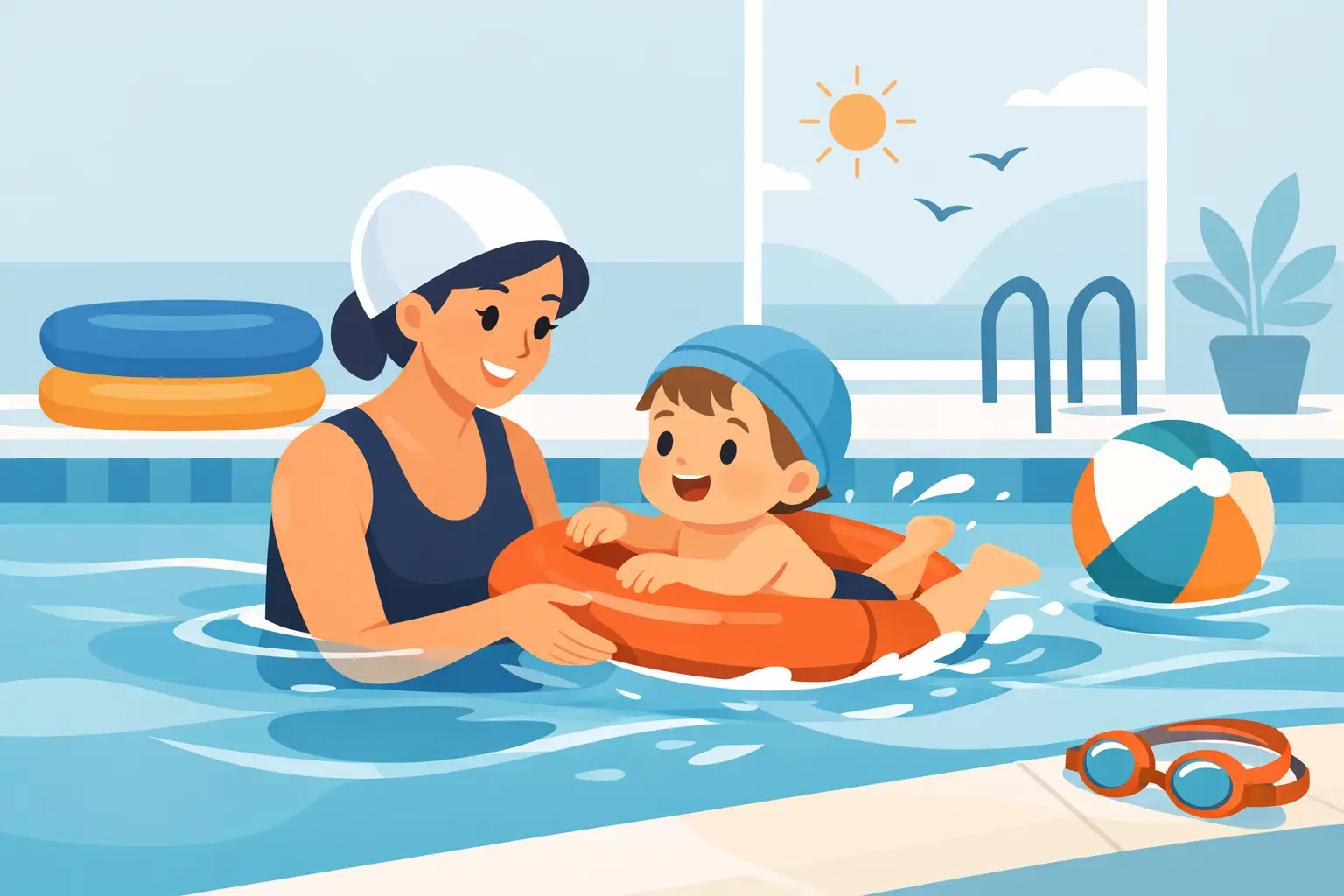
Are Swimming Lessons Good for Toddlers?
A toddler who happily splashes in the bathtub can still freeze at the pool wall. That gap surprises many parents. So, are swimming lessons good for toddlers? In most cases, yes – when lessons are age-appropriate, safety-focused, and taught through a structured progression rather than pressure.
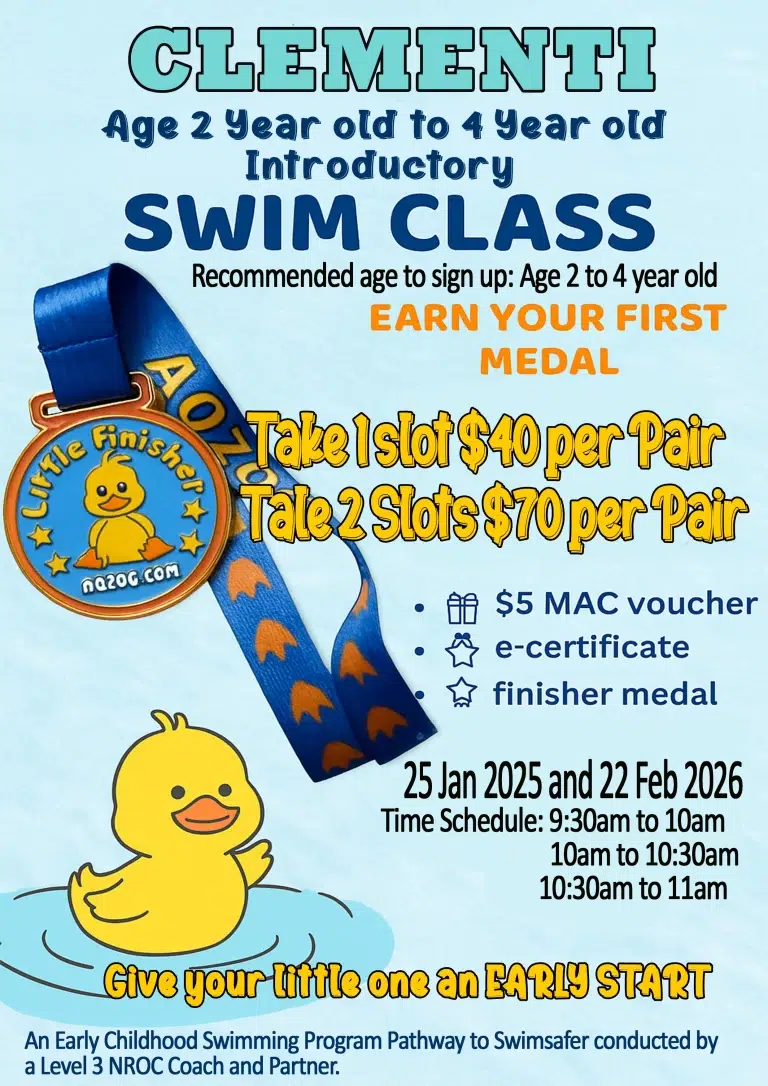
For young children, swimming lessons are not about mastering perfect strokes early. They are about water familiarity, safe habits, body control, and learning how to respond calmly in an aquatic environment. Those early foundations matter because confidence in water is built step by step, and the right start often shapes how a child progresses later.
Are swimming lessons good for toddlers for safety?
This is usually the first question parents care about, and rightly so. The strongest reason to introduce toddlers to lessons is water safety. A young child can move quickly, slip unexpectedly, and enter water without understanding the risk. Formal lessons do not make a toddler drown-proof, but they can teach essential responses that improve awareness and reduce panic.
A good toddler program focuses on practical safety behaviors. That includes getting comfortable with water on the face, holding the pool edge, turning toward support, listening to simple safety commands, and learning that pools require rules. These are small skills, but together they create a safer, more controlled relationship with water.
Parents should keep one thing clear. Swimming lessons are an added layer of protection, not a replacement for active supervision. Even a confident toddler still needs an adult within arm’s reach. The value of lessons is that they support survival habits early, which can make a critical difference in a real situation.
What toddlers really gain from early swim lessons
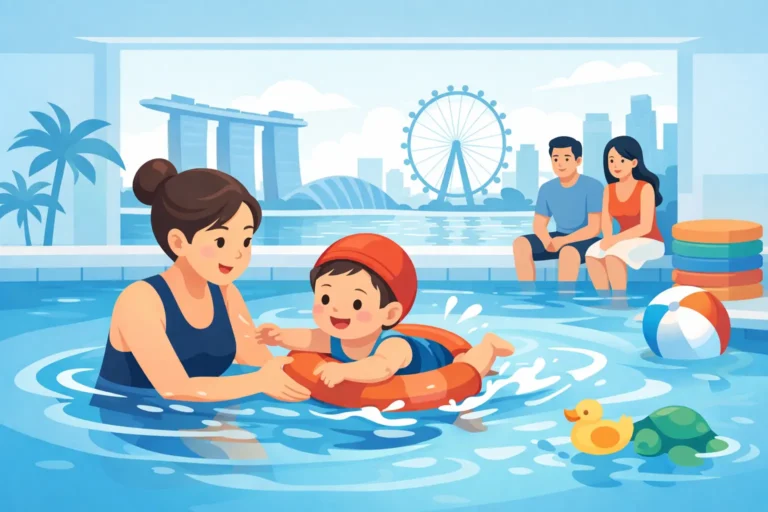
The benefits go beyond safety. Toddlers often develop body awareness, coordination, and comfort with movement in water much earlier when they are introduced properly. Water presents a new sensory environment. Learning to kick, float with support, blow bubbles, and move toward a parent or coach helps children develop control and confidence.
There is also a behavioral benefit. Structured swim classes teach toddlers to follow instructions, wait their turn, and respond to a familiar routine. For some children, that routine reduces fear because each lesson becomes predictable. They know what comes next, who is guiding them, and what success looks like.
Another often overlooked advantage is smoother long-term progression. Children who start with positive water exposure in toddlerhood tend to transition more easily into formal skill development later. They may not be swimming laps at age two or three, but they are usually better prepared for floating, breath control, and independent movement when they reach preschool and early school age.
When should toddlers start?
There is no single perfect age for every child. Some toddlers are ready for water introduction classes around one year old. Others benefit more when they are slightly older and better able to follow simple verbal cues. Readiness depends on temperament, comfort with new environments, separation anxiety, and physical development.
What matters more than starting early is starting appropriately. A calm, gradual introduction with realistic expectations is more effective than pushing a child into advanced tasks too soon. If a toddler is consistently distressed, the lesson approach may need adjusting. Progress in early swim education should feel steady, not forced.
Parents should also think about consistency. A toddler who attends structured lessons regularly usually develops familiarity much faster than one who only enters the pool occasionally. Repetition helps young children trust the environment and remember simple responses.
What a quality toddler swim program should include
Not all swim lessons for toddlers are equally useful. A strong program is built around safety, developmental appropriateness, and measurable progression. That means the lesson content matches the child’s age and ability rather than chasing fast-looking results.
A quality class should include water entry and exit practice, supported floating, basic kicking, submersion only when introduced carefully, and safe movement toward a parent, wall, or instructor. It should also teach pool behavior, because safety starts before a child even enters the water.
Coaching matters just as much as curriculum. Toddlers need instructors who understand early childhood learning, not just swimming technique. The best coaches know how to build trust, use repetition, manage short attention spans, and keep lessons structured without making them feel intimidating.
This is where many parents see the difference between casual water play and formal instruction. Structured teaching builds skills in sequence. That sequence is what supports future confidence, stroke learning, and eventually stronger water survival ability.
Common concerns parents have
Many parents worry that their toddler is too clingy, too afraid, or too young to benefit. Those concerns are reasonable. The truth is that some hesitation is normal. A child does not need to love the water on day one to benefit from lessons.
Fear can often be reduced when classes are consistent, well-paced, and led by experienced coaches. The goal is not to eliminate every tear immediately. The goal is to help the child become more secure, more responsive, and more comfortable over time.
Another concern is whether lessons create a false sense of security. They can, if adults assume a few classes mean full water competence. That is why professional swim educators consistently emphasize supervision alongside training. A toddler with lessons is better prepared than one without them, but still not independent.
Some parents also expect quick visible results. Toddler swim progress can look subtle at first. One week, success may simply mean entering the pool calmly. The next, it may mean putting the face in the water for two seconds. These are real milestones because they support larger skills later.
Group vs private lessons for toddlers
Both formats can work, and the better choice depends on the child.
Group lessons are useful for toddlers who adapt well to shared routines and can learn in a social environment. They are often more affordable and help children get used to listening in a class setting. For many families, this is a practical and effective starting point.
Private lessons can be better for toddlers who are extremely anxious, easily distracted, or need a more customized pace. One-to-one coaching allows the instructor to adjust every activity based on the child’s comfort and response. It can also accelerate progress when the child is ready and the lessons are consistent.
There is no universal winner. The right format is the one that helps the toddler stay engaged, feel secure, and progress through a clear skills pathway.
Are swimming lessons good for toddlers who are afraid of water?
Yes, often especially for them – if the teaching is patient and structured. Fear does not automatically mean a child should wait. In many cases, waiting without guided exposure allows anxiety to deepen.
A thoughtful program helps fearful toddlers build trust in small stages. That might start with sitting on the pool edge, splashing with hands, or practicing supported movement close to a parent. The key is that the child experiences manageable success repeatedly.
What does not work well is rushing a frightened toddler into submersion or forcing independence before readiness. That can create resistance and set progress back. Confidence grows when the child feels safe enough to try, recover, and try again.
What parents should expect from the first few months
Expect progress in layers. Early wins usually include comfort entering the pool, improved water tolerance, better listening, and reduced panic during basic activities. More advanced movement and independence come later.
Parents should also expect the learning process to vary. Some toddlers are playful but inconsistent. Others appear cautious at first and then progress quickly once trust is established. Comparing children rarely helps. What matters is whether your child is becoming safer, calmer, and more capable over time.
If you are choosing a program, look for one that treats swimming as a life skill, not just an activity. Structured progression, experienced coaching, and clear safety outcomes matter far more than flashy promises. That is why established schools such as AQZOG place so much emphasis on water confidence, survival habits, and guided development from the earliest stages.
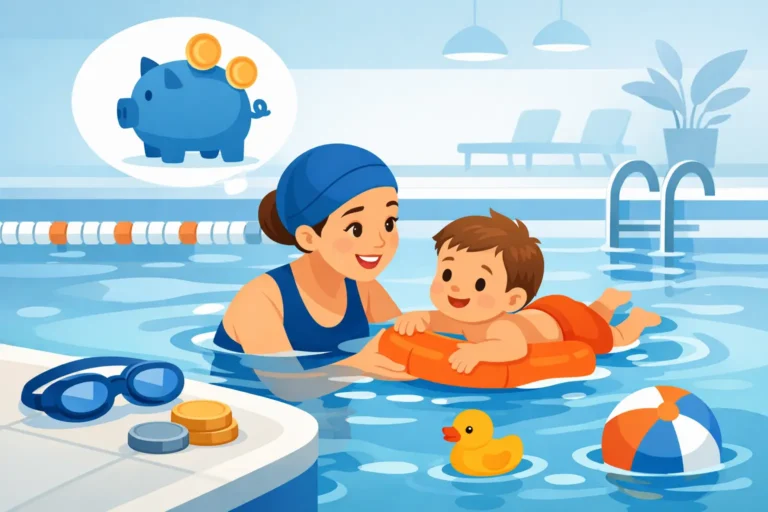
For most families, toddler swim lessons are a smart investment because they build something bigger than a recreational skill. They give children an early foundation for safety, confidence, and future achievement in the water – and that foundation is worth starting carefully, consistently, and at the right pace.
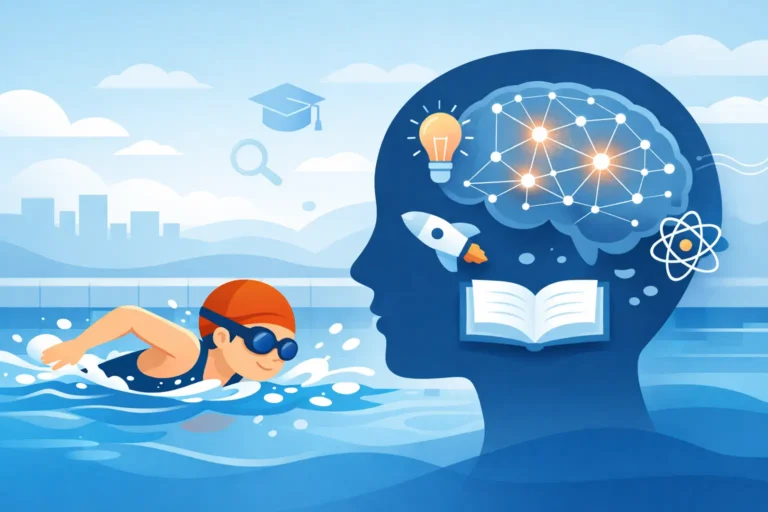
These kids reached milestone earlier than the norm. As well as achieving physical milestones faster, children also scored significantly better in visual-motor skills such as cutting paper, colouring in and drawing lines and shapes, and many mathematically-related tasks. Their oral expression was also better as well as in the general areas of literacy and numeracy.https://news.griffith.edu.au/2012/11/15/swimming-kids-are-smarter/